Hooded Merganser: A Unique and Captivating Waterfowl
The hooded merganser (Lophodytes cucullatus) is a strikingly beautiful and fascinating species of duck native to North America. Known for its dramatic appearance and specialized adaptations, the hooded merganser stands out among waterfowl for its vibrant plumage, distinctive crest, and impressive diving abilities. This article explores the habitat, behavior, diet, and unique characteristics of this captivating bird, shedding light on why it is cherished by birdwatchers and nature enthusiasts alike.
Physical Characteristics
The hooded merganser is a small to medium-sized duck, with males and females displaying distinct physical differences, a phenomenon known as sexual dimorphism.
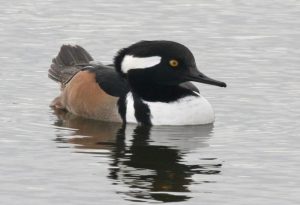
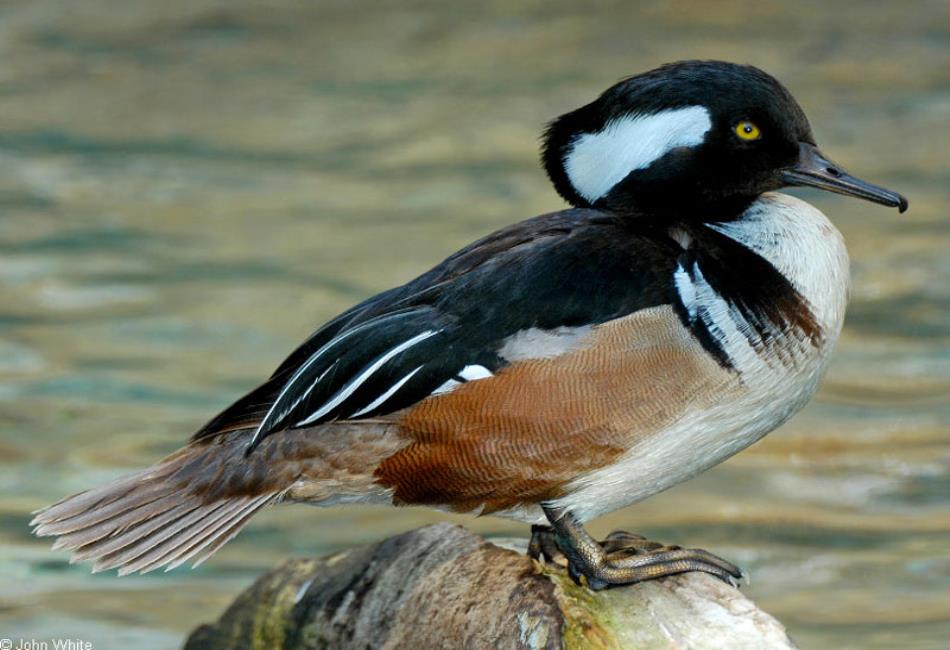
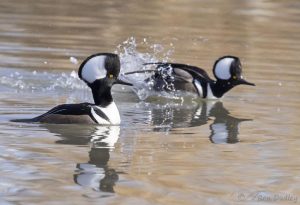
- Male Appearance: The male hooded merganser is a visual spectacle, with a striking black-and-white crest that can be raised or lowered, resembling a fan. Its body is a mix of dark and white plumage, with bold patterns on its sides and back, and bright yellow eyes that create a piercing gaze. The crest is most prominent when the bird is courting or displaying dominance.
- Female Appearance: In contrast, the female is more subtly colored, with a grayish-brown body and a reddish-brown crest. This muted coloration helps females blend into their surroundings, especially during nesting periods.
Both sexes have slender, serrated bills, which are perfectly adapted for catching and holding slippery prey, a hallmark of mergansers.
Habitat and Distribution
Hooded mergansers are predominantly found in freshwater habitats across North America. Their preferred environments include:
- Wooded Wetlands: These birds thrive in forested wetlands, slow-moving rivers, ponds, and small lakes. They often nest near areas with dense vegetation, which offers protection and abundant food.
- Winter Migration: During colder months, hooded mergansers migrate to regions with unfrozen waters, including southern parts of the United States.
While they are widespread, their distribution is often localized, and they are more commonly found in suitable habitats with abundant resources.
Diet and Feeding Behavior
Hooded mergansers are expert divers and rely heavily on aquatic prey. Their diet primarily consists of:
- Fish: Small fish make up a significant portion of their diet, with their serrated bills allowing them to grasp their slippery catch efficiently.
- Crustaceans: Crayfish and other small crustaceans are common prey items.
- Aquatic Insects: Insects and larvae found in freshwater ecosystems are also part of their diet.
- Plant Material: While not a primary food source, they occasionally consume seeds and vegetation.
These birds are adept at diving underwater to catch their prey. They can hold their breath for up to a minute and use their powerful legs and webbed feet to propel themselves through the water with incredible agility.
Breeding and Nesting
The breeding season for hooded mergansers typically begins in early spring. Their nesting habits are particularly interesting and showcase their reliance on specific habitats:
- Cavity Nesting: Hooded mergansers are cavity nesters, meaning they lay their eggs in tree cavities or man-made nest boxes near water. They often use abandoned holes created by woodpeckers or natural hollows in trees.
- Clutch Size: Females lay between 5 to 13 eggs, which they incubate for about 30 days.
- Ducklings: After hatching, the ducklings leave the nest within 24 hours and make their way to the water. Despite their young age, they are highly independent and capable of swimming and foraging almost immediately.
The female solely incubates the eggs and cares for the ducklings, while the male typically departs the nesting area after the eggs are laid.
Behavior and Social Dynamics
Hooded mergansers are generally solitary or found in small groups, especially outside the breeding season. Some noteworthy behavioral traits include:
- Courtship Displays: Male hooded mergansers are known for their elaborate courtship displays, which involve raising their crests, bobbing their heads, and making distinctive calls to attract females.
- Migratory Behavior: While many hooded mergansers are year-round residents in certain areas, others migrate short distances to find unfrozen water during winter.
These birds are relatively quiet compared to other duck species, with males producing low, frog-like croaks and females emitting softer quacks.
Conservation Status
The hooded merganser is currently listed as a species of Least Concern by the International Union for Conservation of Nature (IUCN). Their population is stable, largely due to their adaptability and the widespread availability of nesting sites in wooded wetlands. However, they face several threats, including:
- Habitat Loss: The destruction of wetlands and deforestation can significantly impact their nesting and feeding habitats.
- Pollution: Contamination of water bodies affects the availability and quality of their prey.
Conservation efforts, such as the installation of nest boxes and the protection of wetland habitats, have been instrumental in maintaining healthy populations of hooded mergansers.
Cultural and Ecological Significance
Hooded mergansers play a vital role in freshwater ecosystems. As predators, they help maintain balanced populations of fish and aquatic invertebrates, contributing to the health of their habitats. For birdwatchers and nature enthusiasts, these ducks are a delight to observe, particularly during the breeding season when males perform their dramatic displays.
Their unique appearance and specialized behaviors have made them a popular subject in wildlife photography and environmental education programs, further highlighting the importance of preserving their habitats.
Conclusion
The hooded merganser is a fascinating and visually stunning waterfowl that enriches North America’s freshwater ecosystems. From its dazzling courtship displays to its expert diving abilities, this bird captures the imagination of anyone fortunate enough to witness it in the wild. While their populations remain stable, ongoing conservation efforts are crucial to ensuring that these captivating ducks continue to thrive in their natural habitats.
Whether you’re a seasoned birdwatcher or a casual nature lover, spotting a hooded merganser is an unforgettable experience that showcases the beauty and diversity of the natural world.
This article delves into the many aspects that make the hooded merganser a remarkable species and a cherished member of its ecosystem.