
Baby Geese: Understanding Goslings and Their Journey to Adulthood
Baby geese, commonly referred to as goslings, are some of the most endearing sights in nature. These fluffy, waddling creatures not only symbolize new beginnings but also play a critical role in the lifecycle of geese species. From their first days of life to their transformation into majestic adults, goslings’ journey is filled with fascinating behaviors, challenges, and milestones.
Appearance and Characteristics
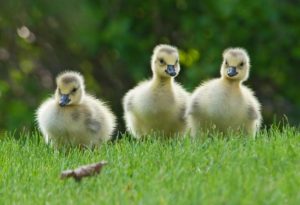
Goslings are easily recognizable due to their soft, downy feathers that provide insulation during their early days. Depending on the species, they can range in color from pale yellow to grayish-brown, often with darker markings. Their small, stubby bills and tiny webbed feet hint at the adult features they will develop over time. These physical traits are perfectly adapted to their environment, aiding in their survival in both aquatic and terrestrial settings.
Newly hatched goslings typically weigh just a few ounces and are around 3-4 inches in length. Despite their small size, they are highly resilient and capable of following their parents almost immediately after hatching.
Hatching and Early Life
Goslings emerge from eggs after an incubation period of about 25-30 days, depending on the species. During this time, the mother goose remains on the nest, keeping the eggs warm and protected, while the father guards the surrounding area from potential predators.
Once the eggs hatch, the parents immediately take on their role as protectors and teachers. Goslings are precocial, meaning they are born with their eyes open and are capable of moving independently within hours of hatching. This readiness allows them to follow their parents to water bodies, where they learn essential survival skills.
Diet and Feeding Habits
In their early days, goslings primarily feed on vegetation, including grass, aquatic plants, and seeds. Their diets are rich in nutrients that promote rapid growth and development. Unlike adult geese, which can subsist on tougher vegetation, goslings rely on tender plants that are easier to digest.
Parents play an active role in guiding their young to feeding grounds and demonstrating what is safe to eat. This period of guided foraging is crucial for goslings to develop strong digestive systems and the ability to identify suitable food sources on their own.
Growth and Development
Goslings grow at a remarkable pace, often doubling in size within the first week of life. By the time they are 4-6 weeks old, their soft down begins to be replaced by juvenile feathers, which provide better protection against the elements. This transition also marks the beginning of their preparation for flight.
During their growth phase, goslings remain close to their parents, benefiting from their protection and guidance. Geese are highly social birds, and goslings often interact with siblings and other young geese, forming bonds that may persist into adulthood.
Parental Care and Social Structure
Geese are known for their strong family bonds, and this is especially evident in their care for goslings. Both parents are actively involved in raising their young, ensuring they are fed, warm, and safe from predators. The presence of both parents significantly increases the survival rate of goslings.
In some species, multiple families of geese may join together to form crèches, or groupings of young geese. These crèches are often guarded by several adults, creating a communal environment that enhances protection against predators and provides more learning opportunities for the goslings.
Predators and Threats
Despite their parents’ vigilant care, goslings face numerous threats in the wild. Common predators include foxes, raccoons, snapping turtles, and birds of prey such as hawks and eagles. Aquatic predators, like large fish, can also pose a danger to young geese in water.
Habitat loss and human disturbances add another layer of risk to gosling survival. Pollution, climate change, and urban development have reduced safe nesting and feeding areas for geese, making it more challenging for goslings to thrive.
Learning to Fly
One of the most critical milestones in a gosling’s life is learning to fly. This process typically begins around 8-10 weeks of age, once their juvenile feathers have fully developed. Parents often encourage their young to exercise their wings, building the strength needed for their first flight.
The ability to fly is crucial for goslings as it allows them to escape predators, migrate, and access new feeding grounds. This milestone also marks their transition from juvenile to adult geese, capable of fending for themselves.
Migration and Independence
For species that migrate, goslings’ first migration is a significant event. They accompany their parents, learning the routes and stopover points that are vital for their survival. These journeys are both physically demanding and educational, teaching young geese the skills needed for future migrations.
By the time they are 6-9 months old, most goslings achieve full independence. While some may remain with their family groups, others disperse to join new flocks. This period of independence is essential for finding mates and establishing territories, ensuring the continuation of their species.
Goslings in Human Care
In agricultural and domestic settings, goslings are often raised for their meat, feathers, or as pets. Farmers and caretakers provide specialized care, including temperature-controlled environments, balanced diets, and protection from predators. Goslings raised in such conditions often grow faster and face fewer threats than their wild counterparts.
However, raising goslings requires significant effort and knowledge. Proper handling, socialization, and adherence to ethical practices are essential to ensure their well-being.
Conservation Efforts
Many species of geese and their habitats are under threat due to human activities and environmental changes. Conservation programs aim to protect nesting areas, reduce pollution, and monitor populations to ensure the survival of geese and their goslings. Public education campaigns also play a vital role in promoting coexistence with these remarkable birds.

Conclusion
The journey of a baby goose from a fluffy gosling to a graceful adult is a captivating process that highlights the resilience and adaptability of nature. Goslings’ development, guided by the unwavering care of their parents, is a testament to the strength of family bonds and the wonders of the animal kingdom. By understanding and protecting these young birds and their habitats, we can help ensure that future generations continue to marvel at their charm and significance in the natural world.