
The Fascinating World of Fat Animals: How Nature Uses Fat for Survival, Energy, and Adaptation
Introduction
In the animal kingdom, fat plays a crucial role in survival, energy storage, and adaptation. While obesity in domesticated animals often raises concerns about health, many wild animals rely on fat reserves to thrive in harsh environments, migrate long distances, and endure periods of food scarcity. From the thick blubber of marine mammals to the seasonal fat deposits of hibernating creatures, the presence of fat animals is an evolutionary marvel.
This article explores the significance of fat in various animal species, shedding light on why some creatures naturally develop large fat stores and how this adaptation benefits them in their respective habitats.
1. The Role of Fat in Animals
Fat, scientifically known as adipose tissue, serves multiple functions in animals. These include:
- Energy Storage: Fat is a concentrated energy source, storing calories that animals can utilize during times of food scarcity.
- Insulation: In cold environments, fat acts as insulation, keeping animals warm by reducing heat loss.
- Buoyancy: Some marine animals, like whales and seals, use fat (blubber) to maintain buoyancy and streamline movement in water.
- Protection: A layer of fat can cushion internal organs and protect against physical injuries.
- Reproduction and Survival: Some species, such as bears and penguins, rely on fat accumulation to sustain themselves during reproductive cycles or long fasting periods.
2. Fat Animals in the Wild
A. Marine Mammals: The Blubber Champions
-
Whales
- Whales, including blue whales and humpback whales, have thick layers of blubber that help them survive in cold ocean waters.
- This fat layer stores energy and provides buoyancy, allowing them to migrate long distances without frequent feeding.
- Blubber can make up to 40% of a whale’s body weight.
-
Seals and Sea Lions
- Seals and sea lions use their blubber for both insulation and energy reserves.
- During breeding seasons, male elephant seals, which can weigh up to 8,800 pounds, fast for extended periods while fighting for mates.
- The accumulated fat sustains them during these energy-intensive battles.
-
Polar Bears
- Polar bears depend on thick fat layers to endure Arctic temperatures.
- They consume a high-fat diet, mainly consisting of seals, to maintain their blubber reserves.
- When food is scarce in summer, they rely on stored fat for energy.
B. Land Animals: Storing Fat for Tough Times
-
Hibernators: Bears, Hedgehogs, and Marmots
- Many animals, including bears, hedgehogs, and marmots, gain significant fat reserves before hibernation.
- Bears enter a state of torpor, surviving on stored fat for months without eating.
- Hedgehogs and marmots undergo metabolic slowdowns, using fat as a primary energy source.
-
Hippos: Surprisingly Fat Yet Agile
- Hippos appear fat due to their massive size and thick skin, but much of their bulk is muscle rather than pure fat.
- However, they do have a layer of fat under their skin that helps regulate body temperature in their semi-aquatic habitat.
-
Pigs: Nature’s Fat-Storing Omnivores
- Domestic pigs are known for accumulating fat, especially when overfed.
- Wild boars also develop fat reserves in preparation for winter when food becomes scarce.
C. Birds and Fat Storage
-
Penguins: Surviving Harsh Winters
- Emperor penguins rely on fat to survive the extreme cold of Antarctica.
- Male penguins fast for months while incubating eggs, relying entirely on stored fat for survival.
-
Migratory Birds: Fat for Long Journeys
- Birds like geese and swallows build up fat before long migrations.
- These fat stores provide the necessary energy for non-stop flights over thousands of miles.
3. Domesticated and Overweight Animals
While wild animals use fat for survival, domesticated animals can become overweight due to human intervention. Overfeeding and lack of exercise contribute to obesity in pets and farm animals.
A. Fat Pets: Obesity in Cats and Dogs
- Overweight pets often suffer from health issues like diabetes, heart disease, and joint problems.
- Lack of exercise and excessive calorie intake are the main causes of obesity in domesticated animals.
- Owners must regulate pet diets and encourage physical activity to maintain a healthy weight.
B. Overfed Farm Animals
- Some farm animals, such as pigs and cows, are selectively bred to gain weight quickly for meat production.
- In some cases, excessive fat accumulation can lead to health complications.

4. Unusual Fat Animals in Pop Culture
Certain fat animals have gained fame in media and pop culture, often portrayed as cute or comical. Some famous examples include:
- Fat Cats: Internet-famous overweight cats like Garfield and Chonky Cat have become beloved online figures.
- Obese Rodents: Some pet hamsters and guinea pigs gain viral fame due to their round, plump bodies.
- Cartoon Characters: Fictional animals like Winnie the Pooh (a chubby bear) and Snorlax (a sleepy, fat Pokémon) are popular representations of fat animals in entertainment.
5. The Science of Fat Metabolism in Animals
Understanding how animals metabolize fat can offer insights into human health and weight management. Key aspects include:
-
Brown Fat vs. White Fat:
- Some animals have “brown fat,” which generates heat and helps regulate body temperature.
- White fat stores energy and provides insulation.
-
Torpor and Hibernation:
- Animals entering hibernation experience a drop in metabolism, slowing down fat consumption.
- Humans do not hibernate, but understanding this process has implications for space travel and medicine.
-
Genetic Factors:
- Some animals, like the obese mouse (a model for obesity research), have genetic mutations that affect fat storage.
Conclusion
Fat in animals serves critical purposes, from energy storage to survival in extreme conditions. While obesity in domesticated animals poses health risks, fat in wild animals is an evolutionary advantage. Whether it’s the blubber of whales, the pre-hibernation weight gain of bears, or the seasonal fat storage of migratory birds, nature has perfected the role of fat in adaptation and endurance.
By studying how animals manage fat, we can gain insights into human metabolism, obesity prevention, and the biological marvels of nature.
FAQ: The Fascinating World of Fat Animals: How Nature Uses Fat for Survival, Energy, and Adaptation
1. Why do animals store fat?
Animals store fat for various reasons, including energy storage, insulation against cold temperatures, buoyancy in water, and protection of internal organs. It also helps some species survive long periods without food.
2. Which animals have the most fat?
Marine mammals like whales, seals, and walruses have thick layers of blubber, which can make up 30–40% of their body weight. Other fat-storing animals include bears, hippos, and penguins.
3. How do animals use fat for energy?
Animals metabolize fat when food is scarce, converting stored fat into energy to sustain themselves. This is common in hibernating species like bears and marmots, as well as migratory birds.
4. What is blubber, and how does it help marine animals?
Blubber is a thick layer of fat found in marine mammals like whales, seals, and sea lions. It provides insulation in cold waters, stores energy, and helps with buoyancy.
5. Do all fat animals hibernate?
No, not all fat animals hibernate. While some animals, like bears and hedgehogs, accumulate fat for hibernation, others, like hippos and pigs, store fat for different purposes, such as temperature regulation and energy storage.
6. How do migratory birds use fat?
Birds like geese and swallows build up fat reserves before migration. These fat stores provide them with the energy needed for long-distance flights without stopping for food.
7. Can animals get too fat in the wild?
Wild animals usually maintain a healthy fat balance due to natural food availability and activity levels. However, some species, like captive or urban-dwelling animals, may gain excess fat due to human influence.
8. Why do some domesticated animals become overweight?
Domesticated pets and farm animals can become overweight due to overfeeding, lack of exercise, and selective breeding. This can lead to health problems like diabetes and heart disease.
9. Are fat animals slower than lean animals?
Not necessarily. Some fat animals, like hippos, can move surprisingly fast despite their size. However, excessive fat can slow down land animals, while in water, blubber can aid in streamlined movement.
10. How does studying fat in animals help humans?
Research on fat metabolism in animals helps scientists understand obesity, metabolism, and energy storage in humans. It also contributes to medical advancements in weight management and metabolic disorders.
What are some examples of fat animals?
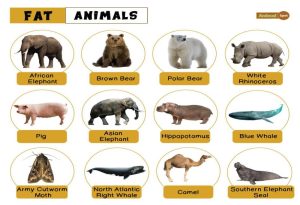
Many animals store fat as a survival strategy, with some species being particularly well-known for their large fat reserves. Whales, seals, and walruses are among the fattest animals, possessing thick layers of blubber that provide insulation, buoyancy, and energy storage for long migrations. Bears accumulate large fat deposits before hibernation, sustaining themselves for months without eating. Hippopotamuses may appear fat due to their bulky bodies, but much of their mass is muscle with a layer of fat that helps regulate body temperature. Penguins, particularly emperor penguins, build up fat to endure the harsh Antarctic winters, especially during breeding periods when males fast while incubating eggs. Pigs are another example, both in the wild and domesticated settings, where they store fat as an energy reserve. Migratory birds such as geese also gain fat before long-distance flights, using it as a fuel source. These animals showcase how fat plays a crucial role in survival, energy conservation, and adaptation across different environments.
What animals are overweight?
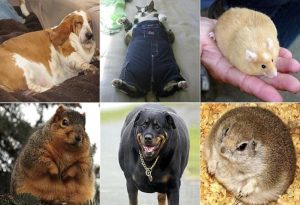
While wild animals typically maintain a natural balance of body fat, some species can become overweight due to environmental factors, captivity, or human influence. Domesticated pets like dogs and cats are among the most common overweight animals, often due to overfeeding and lack of exercise, which can lead to obesity-related health issues like diabetes and joint problems. Farm animals, such as pigs and cows, can also become overweight, especially when selectively bred for meat production and fed high-calorie diets. In captivity, zoo animals sometimes gain excessive weight due to limited space and unnatural feeding schedules, though many facilities implement strict dietary and exercise plans to prevent obesity. Urban wildlife, including raccoons and pigeons, may become overweight from scavenging human food, which is often high in fat and sugar. Even some marine mammals, like captive dolphins and sea lions, can gain excess weight if not provided with proper dietary and activity management. While fat serves an essential role in the wild, excessive weight gain in animals, particularly in domesticated and captive settings, can lead to health complications similar to those seen in humans.
What is the fat animal in the world?
The fattest animal in the world is the blue whale (Balaenoptera musculus), the largest and heaviest animal ever known to exist. Despite its enormous size, a significant portion of its body weight comes from blubber, a thick layer of fat that can make up 35–50% of its total body mass. This blubber plays a crucial role in insulation, energy storage, and buoyancy, allowing blue whales to thrive in cold ocean waters and sustain long migrations. A fully grown blue whale can weigh up to 200 tons, with tens of thousands of pounds of fat contributing to its bulk. While other animals, such as elephant seals, walruses, and polar bears, also have massive fat reserves for survival, the blue whale holds the record for the largest accumulation of body fat in the animal kingdom.