

The Fascinating World of Temperate Forest Animals: Adaptations, Biodiversity, and Survival Strategies
The Fascinating World of Temperate Forest Animals: Adaptations, Biodiversity, and Survival Strategies
Temperate forests are some of the most diverse and intriguing ecosystems on the planet. They stretch across broad areas of North America, Europe, and Asia, providing a rich and varied home to countless species. These forests experience all four seasons, which means animals living there must adapt to a range of different climates — from warm summers to chilly winters. Let’s take a journey into this rich biome and explore the fascinating world of temperate forest animals, looking at their unique adaptations, behaviors, and roles in the ecosystem.
What Defines a Temperate Forest?
Before we dive into the animals, let’s understand what a temperate forest is. Unlike tropical rainforests that remain warm year-round, temperate forests have distinct seasonal changes. Trees like oaks, maples, beeches, and pines dominate the landscape. The ground is often blanketed in leaf litter during autumn, and snow may cover it during winter. With each seasonal shift, animals must either adjust their behavior, migrate, or hibernate to survive.
Iconic Mammals of Temperate Forests
1. Black Bears (Ursus americanus)
One of the most iconic mammals of the temperate forest is the black bear. Black bears thrive in diverse forest habitats across North America. They are omnivores, which means they can eat fruits, nuts, insects, fish, and small mammals. To cope with harsh winters, black bears hibernate in dens, slowing their metabolism to conserve energy during months when food is scarce. This hibernation period is a remarkable adaptation that allows them to survive in changing seasonal conditions.
2. White-Tailed Deer (Odocoileus virginianus)
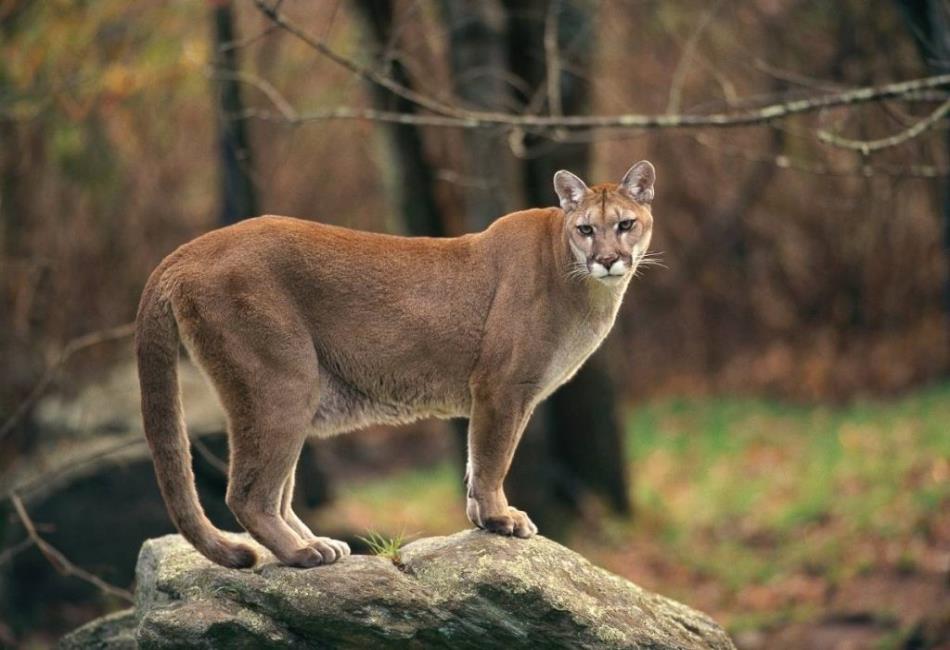
White-tailed deer are a graceful and widespread species found throughout the temperate forests of North America. They feed on a wide range of vegetation — including leaves, twigs, fruits, and grass — and their agility allows them to move quickly through dense undergrowth. White-tailed deer are also vital prey for predators like wolves, coyotes, and mountain lions, playing a crucial role in the forest food web.
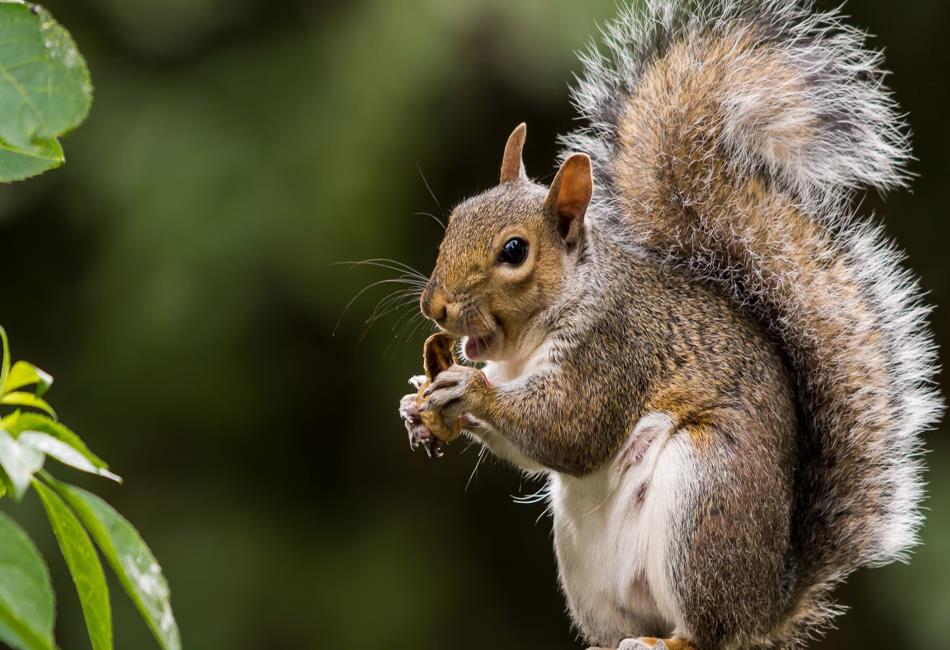
3. Eastern Gray Squirrels (Sciurus carolinensis)
Eastern gray squirrels are an energetic and well-known resident of deciduous forests. These squirrels are famous for gathering and storing acorns and other nuts during the fall in order to survive winter when food is less available. This behavior, called caching, is an important adaptation that supports their survival and also benefits the forest — forgotten seeds often sprout into new trees!
Avian Residents of Temperate Forests
4. Woodpeckers (Family Picidae)
Woodpeckers can be heard tapping on tree trunks as they search for insects hidden beneath the bark. Their strong beaks and shock-absorbent skulls allow them to drill into wood to uncover tasty grubs. Woodpeckers play a critical role in forest ecosystems by controlling insect populations and creating cavities that can later serve as nesting sites for other birds and small mammals.
5. Owls (Family Strigidae)
Owls, including species like the Great Horned Owl and Eastern Screech Owl, are well-known nocturnal predators of the temperate forest. With their silent flight and exceptional hearing, owls can detect and catch prey, such as mice and voles, even in complete darkness. Many owls nest in hollow trees, using natural cavities or abandoned woodpecker holes.
6. American Robins (Turdus migratorius)
The American robin is a familiar songbird that can often be seen foraging for worms and berries on the forest floor. Robins are migratory birds — they travel south in winter to avoid freezing temperatures and return in spring to breed. They play a role in seed dispersal, helping maintain forest plant diversity.
Reptiles and Amphibians in the Temperate Forest
7. Eastern Box Turtle (Terrapene carolina)
The Eastern box turtle is a slow-moving reptile with a distinctive domed shell. Unlike some turtles that live in water, box turtles spend most of their lives on land in temperate forests. They can live for decades and are often found near streams or under logs, feeding on a diet of fruits, fungi, and invertebrates. These turtles hibernate during the winter by burrowing into the forest floor.
8. American Toad (Anaxyrus americanus)
American toads are a common sight in temperate forest leaf litter. These amphibians have rough, warty skin that blends with the forest floor, making them difficult for predators to spot. They eat insects and other small invertebrates and are most active during warm, damp nights. When winter arrives, they burrow into the soil and remain dormant until the spring rains return.
Predators at the Top of the Food Chain
9. Red Fox (Vulpes vulpes)
The red fox is a highly adaptable predator found throughout temperate forests. Known for its reddish-orange coat and bushy tail, the red fox hunts a variety of prey — from small rodents and birds to insects and fruits. Foxes often use dens dug into hillsides or beneath fallen trees to raise their pups. They help control rodent populations and contribute to the balance of forest ecosystems.
10. Gray Wolves (Canis lupus)
Although they were once widespread across temperate forests, gray wolves have been extirpated from many areas due to hunting and habitat loss. These highly social animals live in packs and hunt deer, elk, and smaller mammals. Wolves play a keystone role in ecosystems by preventing overgrazing and keeping prey populations healthy.
Smaller Creatures with Big Roles
11. Wood Ants (Formica spp.)
Temperate forest floors are alive with invertebrates like wood ants. These ants are social insects that build large nests and work together to gather food, care for young, and defend their colony. Wood ants help decompose forest litter and control insect pests, which supports the overall health of the forest ecosystem.
12. Fireflies (Family Lampyridae)
Fireflies, also known as lightning bugs, add magic to temperate summer nights. These beetles produce bioluminescent light to attract mates. The forest floor is an important habitat for firefly larvae, which prey on snails and slugs, thus helping regulate these populations.
Adaptations and Survival Strategies
Animals in temperate forests face a variety of challenges — from harsh winters to fierce predators — and they’ve evolved an amazing array of adaptations to survive:
-
Hibernation and Dormancy: Many species, like bears and toads, slow their metabolism during winter months to conserve energy.
-
Migration: Birds like robins and warblers travel to warmer climates as food becomes scarce.
-
Camouflage: Forest animals like box turtles and squirrels rely on colors and patterns that help them blend into the forest floor.
-
Caching and Food Storage: Squirrels and chipmunks store food for the winter months.
-
Social Cooperation: Wolves and ants hunt or forage cooperatively to improve their success.
Conservation and the Future of Temperate Forest Animals
Temperate forest animals face a number of threats, including habitat loss, pollution, invasive species, and climate change. Conservation efforts, such as creating protected areas, reintroducing predators like wolves, and encouraging responsible forest management, are critical for ensuring the future of these rich and diverse communities.
By appreciating the unique species that call these forests home and supporting conservation initiatives, we can help protect this vital biome — ensuring that bears, foxes, owls, turtles, and the countless other animals of the temperate forest continue to thrive for generations to come.
FAQ:
What is a temperate forest?
A temperate forest is a biome characterized by four distinct seasons — spring, summer, autumn, and winter — and is home to a diverse range of deciduous and evergreen trees, plants, and animals.
What kinds of animals live in temperate forests?
Temperate forests support a rich variety of animals, including mammals like deer, foxes, and bears, birds like owls and woodpeckers, reptiles like box turtles, and amphibians like frogs and salamanders.
How do animals in temperate forests survive winter?
Many animals hibernate, migrate, or store food to survive harsh winter conditions. For example, bears hibernate, robins migrate south, and squirrels cache nuts to eat during the cold months.
What are some adaptations of temperate forest animals?
Adaptations include thick fur for warmth, nocturnal habits to hunt under cover of darkness, camouflaged coloring to hide from predators, and food-storing behaviors that help animals survive seasonal food shortages.
Why is biodiversity important in temperate forests?
Biodiversity keeps the ecosystem balanced. Every species plays a role — from predators like wolves that regulate prey populations to decomposers like fungi and insects that recycle nutrients into the soil.
How can we help protect temperate forest animals?
You can help by supporting conservation efforts, avoiding habitat destruction, reducing pollution, and encouraging sustainable forestry practices to preserve these ecosystems for future generations.