

A Complete Guide to Bird Seed: Types, Benefits, and Tips for Bird Enthusiasts
Birds add beauty, music, and life to any outdoor space. Whether you are a seasoned birdwatcher or a casual backyard enthusiast, offering the right bird seed is essential for attracting a variety of species. Understanding the types of bird seed, their nutritional value, and how to use them effectively can transform your backyard into a thriving avian haven.
Why Feed Birds?
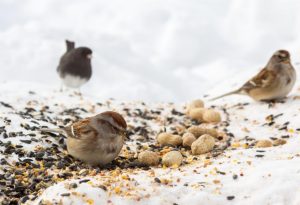
Providing bird seed serves multiple purposes beyond simply attracting birds. For birds, access to a reliable food source is critical during harsh seasons, especially winter when natural resources are scarce. For bird enthusiasts, feeding birds offers a chance to observe a wide variety of species up close and contribute to local biodiversity.
Bird feeding also benefits the environment. Birds help control pests, disperse seeds, and pollinate plants, playing a crucial role in the ecosystem. By offering bird seed, you contribute to their survival and the health of the natural world.
Types of Bird Seed
The variety of bird seed available can be overwhelming, but different seeds attract specific types of birds. Here are the most common types:
- Black Oil Sunflower Seeds
- Benefits: Rich in fat, protein, and calories, black oil sunflower seeds are a favorite among many bird species.
- Birds Attracted: Cardinals, chickadees, woodpeckers, finches, nuthatches, and sparrows.
- Why It’s Popular: The thin shell makes it easy for birds to crack open, even for smaller species.
- Striped Sunflower Seeds
- Benefits: Similar in nutrition to black oil seeds but with thicker shells.
- Birds Attracted: Larger birds such as cardinals, jays, and grosbeaks.
- Tip: These seeds deter smaller birds due to the thicker shell.
- Nyjer (Thistle) Seed
- Benefits: Small, high-fat seeds that are excellent for finches.
- Birds Attracted: Goldfinches, purple finches, pine siskins, and redpolls.
- Note: Use a special feeder with small openings to minimize waste.
- Safflower Seeds
- Benefits: High in fat and protein, safflower seeds are a great option for attracting cardinals and chickadees.
- Birds Attracted: Cardinals, chickadees, doves, and titmice.
- Unique Advantage: Squirrels and starlings tend to avoid safflower seeds, making them ideal for those looking to limit pest activity.
- Millet
- Benefits: Prolific and affordable, millet is often found in bird seed mixes.
- Birds Attracted: Ground-feeding birds like sparrows, juncos, and mourning doves.
- Tip: White proso millet is preferable over red millet, which is less nutritious.
- Peanuts
- Benefits: Packed with protein and energy, peanuts are perfect for larger birds and winter feeding.
- Birds Attracted: Jays, woodpeckers, nuthatches, and chickadees.
- Caution: Ensure peanuts are unsalted and avoid moldy peanuts, as they can harm birds.
- Corn
- Benefits: Cracked corn is inexpensive and loved by ground-feeding birds.
- Birds Attracted: Pigeons, doves, sparrows, and quail.
- Tip: Use caution, as corn can attract unwanted pests like raccoons and squirrels.
- Suet and Seed Mixes
- Benefits: Suet (a fat-based product) combined with seeds is ideal for energy-rich winter feeding.
- Birds Attracted: Woodpeckers, chickadees, nuthatches, and wrens.
- Seasonal Use: Suet is best used in cooler months, as it can melt in heat.
How to Choose the Right Bird Seed
Selecting the right bird seed depends on the types of birds you want to attract, the region you live in, and the time of year. Here are some considerations:
- Species Preference: Identify the birds commonly found in your area. For example, finches prefer nyjer seed, while cardinals enjoy sunflower seeds.
- Seasonal Needs: In winter, birds need high-energy foods like suet, peanuts, and black oil sunflower seeds. In summer, lighter seeds like millet or safflower may be sufficient.
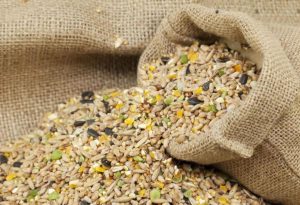
- Avoid Fillers: Some commercial bird seed mixes contain fillers like wheat, red millet, and oats, which most birds avoid. Opt for high-quality mixes with nutritious seeds.
- Storage: Store bird seed in a cool, dry place in airtight containers to prevent spoilage and pests.
Tips for Feeding Birds
Here are some practical tips to make your bird feeding efforts successful:
- Use Appropriate Feeders
- Tube feeders work well for small seeds like nyjer.
- Platform feeders are ideal for ground-feeding birds and seeds like millet.
- Suet feeders cater to woodpeckers and chickadees.
- Clean Feeders Regularly
- Dirty feeders can spread diseases among birds. Clean feeders with soap and water every few weeks and rinse thoroughly.
- Provide Fresh Water
- Birds need water for drinking and bathing. A clean bird bath will complement your feeding efforts and attract more birds.
- Offer Shelter
- Place feeders near trees or shrubs to provide birds with cover from predators and harsh weather.
- Prevent Squirrels
- Squirrels can dominate bird feeders. Use squirrel-proof feeders or place baffles on poles to deter them.
- Be Patient
- It may take some time for birds to discover your feeders. Be consistent, and soon, you’ll have a regular flock visiting.
Benefits of Feeding Birds
- Conservation Support: Feeding birds provides essential nutrition, especially during migration or cold winters when food is scarce.
- Wildlife Observation: Watching birds can be a relaxing and educational experience for individuals and families alike.
- Pest Control: Birds help control insect populations, reducing garden pests naturally.
- Seed Dispersal: Birds contribute to plant propagation by spreading seeds.
Conclusion
Feeding birds with high-quality bird seed is a rewarding activity that benefits both birds and humans. By understanding the types of bird seed, choosing appropriate feeders, and maintaining a safe and clean feeding area, you can create a haven for a variety of bird species. Whether you aim to support your local ecosystem or simply enjoy the beauty of birds, providing nutritious food is a small but significant step toward fostering a vibrant outdoor environment.