
Choosing the Right Drone Motor: A Guide to Finding the Best Fit for Your Needs
Drones have become an essential part of many industries, from aerial photography to surveying and even delivery services. One of the most critical components that ensure the performance and efficiency of a drone is its motor. Whether you’re a hobbyist building your own drone or a professional looking for the right motors to power your fleet, understanding the different types of drone motors and their applications is essential.
What Is a Drone Motor?
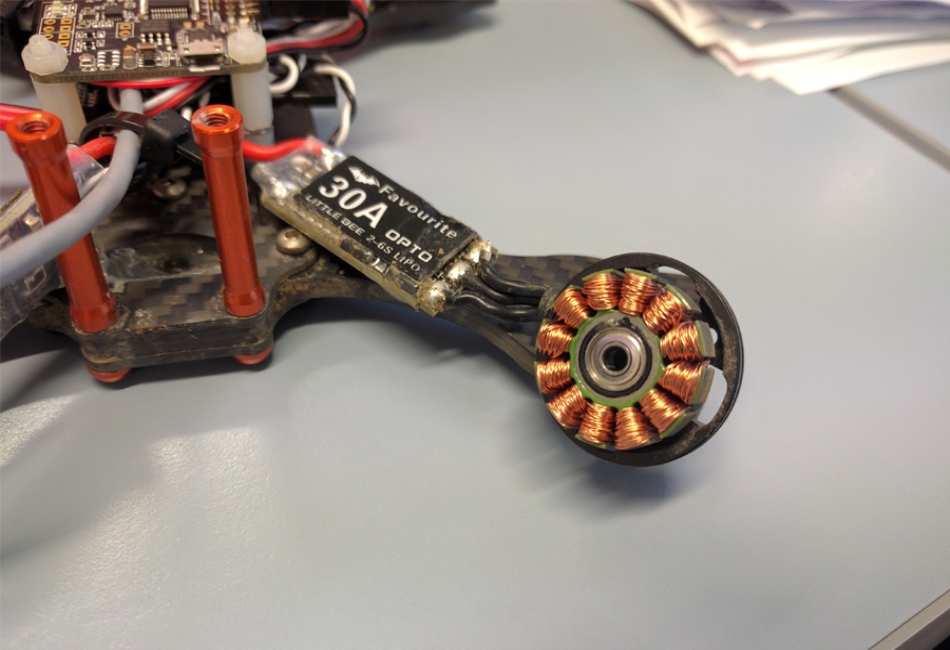
A drone motor is a crucial part of a drone’s propulsion system, responsible for providing the lift and thrust needed for the drone to fly. These motors are connected to the drone’s propellers, and when powered, they rotate the propellers at high speeds, generating the necessary force for flight. The quality, size, and type of motor can greatly affect the performance, stability, and efficiency of your drone.
Types of Drone Motors
When choosing the right motor for your drone, you will come across different types designed for various applications. Let’s take a closer look at some common types:
Drone Brushless Motor
Among the most popular and efficient types of drone motors, drone brushless motors are known for their longevity and smooth performance. Unlike brushed motors, brushless motors use electromagnetic fields and permanent magnets to create motion, eliminating the need for brushes, which leads to less friction and less heat production. This makes drone brushless motors ideal for high-performance drones, as they are more reliable, efficient, and have a longer lifespan. These motors are particularly favored by professional drone pilots and for applications like aerial cinematography, surveying, and mapping.
Benefits of Drone Brushless Motors:
- Higher efficiency
- Longer lifespan
- Less maintenance
- Greater torque and power
Heavy Lift Drone Motor
If you’re planning on using a drone to carry heavy payloads, such as large cameras, sensors, or even packages for delivery, you’ll need a heavy lift drone motor. These motors are specially designed to generate higher thrust to carry heavier loads without compromising the stability and maneuverability of the drone.
Heavy lift drone motors typically come with higher power ratings and are built to handle larger propellers. These motors often feature advanced cooling systems to prevent overheating under heavy loads. They are used in industries such as agriculture, construction, and logistics, where drones are used for tasks like crop monitoring, aerial mapping, or transporting goods.
Benefits of Heavy Lift Drone Motors:
- Increased thrust capacity
- Can handle larger payloads
- Enhanced stability for carrying heavy objects
FPV Motor
If you’re into first-person view (FPV) racing or drone flying as a sport, you’ll need an fpv motor that is designed for high speeds and rapid maneuvering. These motors are typically lightweight and are built to provide maximum efficiency and power to help the drone perform well in fast-paced, high-speed environments. FPV motors are optimized for performance rather than endurance, making them perfect for racing drones.
An fpv motor is usually paired with smaller propellers, which helps reduce drag and increases speed. The motors must be capable of handling high RPMs (rotations per minute) without losing control or power.
Benefits of FPV Motors:
- Lightweight for increased speed
- High power-to-weight ratio
- Designed for quick acceleration and responsive control
Large Drone Motor
For larger drones, such as those used for professional photography, filmmaking, or even industrial inspections, large drone motors are a must. These motors are designed to handle the higher weight and larger propellers that accompany big drones. The large drone motor will need to provide ample power to lift and stabilize the drone while ensuring efficient battery usage.
Large drone motors are often paired with larger batteries to ensure that they have enough power for extended flight times, especially for drones used in commercial applications like surveying, agriculture, and inspection services. They also tend to be more durable to withstand the higher stress and wear associated with larger drones.
Benefits of Large Drone Motors:
- High power capacity for big drones
- Ability to carry heavy payloads
- Longer flight times when paired with large batteries
Small Drone Motor
On the opposite end of the spectrum are small drone motors, which are designed for mini-drones and lightweight applications. These motors are perfect for small consumer drones used for casual flying, photography, or recreational purposes. Despite their small size, small drone motors still offer impressive power-to-weight ratios, making them ideal for compact drones that need to remain agile and responsive.
The small drone motor is typically paired with smaller propellers and lightweight frames, making it easier for hobbyists to build or customize their drones. While they might not have the power to carry heavy payloads, they are perfect for drones designed for agility and fun.
Benefits of Small Drone Motors:
- Lightweight and compact
- Perfect for recreational drones
- Agility and easy to maneuver
How to Choose the Right Drone Motor for Your Needs
When selecting the right motor for your drone, there are several factors to consider. These include the type of drone you’re building or flying, the weight of the payload, and the intended use. Below are a few key factors to keep in mind:
- Size and Weight of the Drone: The motor size must correspond to the drone’s size. A larger drone requires a more powerful motor, while smaller drones need motors that offer a balance between power and efficiency.
- Type of Flight: If you’re racing drones or engaging in FPV flying, an fpv motor designed for high-speed, quick acceleration would be suitable. For carrying heavy payloads, a heavy lift drone motor is necessary to provide enough thrust.
- Flight Time and Efficiency: Brushless motors are more efficient than brushed motors and can provide longer flight times. If endurance is important to you, opt for a drone brushless motor or large drone motor for better performance.
- Power Needs: If you require more power for professional applications, such as aerial photography or surveying, you’ll need a motor that can handle larger propellers and additional weight. A large drone motor or heavy lift drone motor would be the right choice.
- Price: More powerful motors, especially drone brushless motors and heavy lift drone motors, can be more expensive. If you’re on a budget, consider small drone motors or other cost-effective options.
Conclusion
Choosing the right drone motor is essential for ensuring your drone performs well, whether you’re flying for fun, racing, or using it for professional tasks like aerial photography or delivery. Understanding the different types of motors such as drone motor, drone brushless motor, heavy lift drone motor, fpv motor, large drone motor, and small drone motor will help you find the perfect match for your needs.
By taking into account factors like weight, size, power, and flight time, you can ensure that your drone operates efficiently and provides you with the performance you expect. Whether you’re looking for a lightweight small drone motor for fun or a powerful heavy lift drone motor for industrial applications, there’s a motor out there that will suit your needs perfectly.


