
What Do Hawks Eat? A Look at the Diet of These Aerial Hunters
Admiring the grace and majesty of a soaring bird of prey in the sky, you’re unlikely to be alone in wondering, What do hawks eat. Hawks are some of the most captivating birds in the animal kingdom, with their razor-sharp claws, fierce beaks, and outstanding eyesight. Their diet is a key factor in the ecological balance, to which knowledge leads to better appreciation of these aerial hunters. So whether you are a bird lover, a nature watcher, or simply intrigued by these birds of prey, let’s explore the full menu of hawks’ eating habits in different habitats and seasons.
What Do Hawks Eat in the Wild?
The question “What do hawks eat?” has no single response. Hawks are birds of prey and are carnivorous raptors. And the types of food they eat will depend upon their species as well as the environment in which they live, and the prey that is accessible to them. But the diet of most hawks is a combination of small mammals, birds, reptiles, frogs, and insects. And some bigger hawks can even take prey their size or larger.
Small Mammals – A Real Staple in Their Diet!
In most hawks, small mammals are the biggest part of the diet. These include:
- Mice
- Voles
- Squirrels
- Rabbits
- Shrews
- Rats
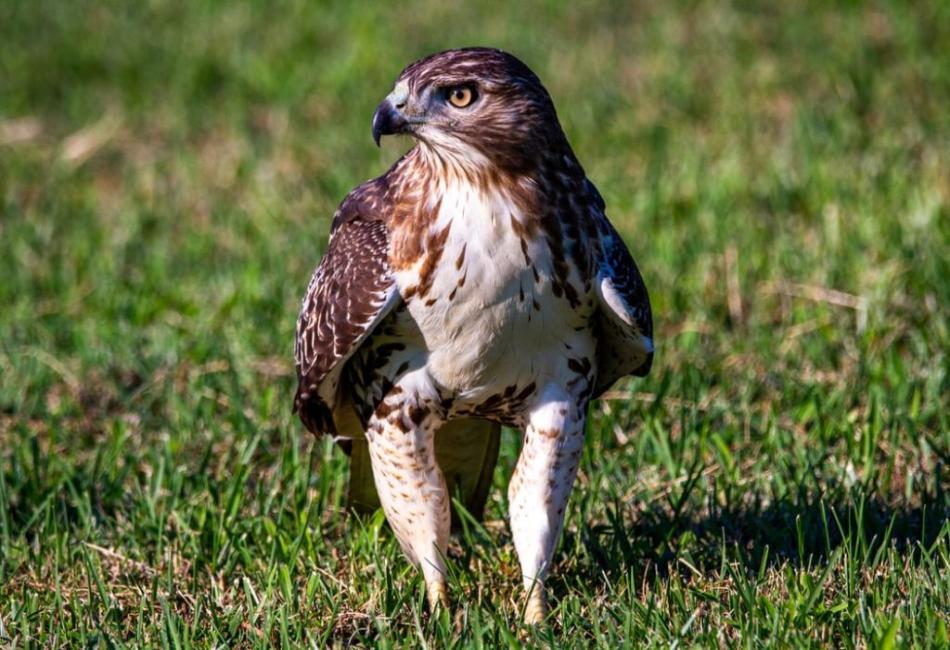
These animals are easily seen from above, and they move fast—they’re what a hawk would term ‘‘huntable.’’ The Red-tailed Hawk, one of the most common hawks in North America, is particularly known for hunting small rodents.
Birds of Prey: Striking Speed Mixes with Deadly Strategy
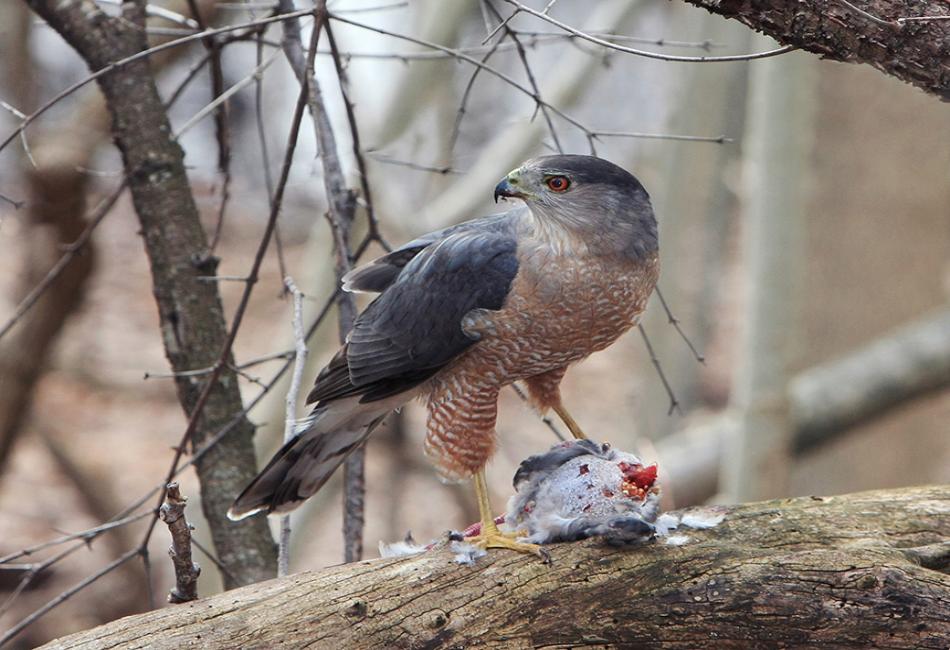
Hawks are bird specialists, especially the Accipiter, such as the Cooper’s Hawk and the Sharp-shinned Hawk. Their diet includes:
- Pigeons
- Doves
- Sparrows
- Starlings
- Songbirds
These hawks are swift fliers and skilled hunters who will follow prey through forests, groves, and prairies. And even though you might not want to see it, it’s part of the way things work.
Reptiles and Amphibians: Opportunistic Snacking
Hawks may also hunt reptiles and amphibians in warmer countries or seasons; among them:
- Lizards
- Snakes
- Frogs
- Toads
The goshawk will often sit and wait for movement before it strikes, its eyes taking in these small critters that are hard to see.
Light but Nutritious Insects and Invertebrates
Small hawks or young eat insects such as:
- Grasshoppers
- Crickets
- Beetles
- Caterpillars
This is particularly true in open habitat, or at a time when bigger prey are not available.
What Do Urban Hawks Eat?
And as hawks adapt to cities, their diet changes as well. So what do hawks eat if they are living close to humans?
In urban and suburban environments, hawks will frequently hunt:
- Pigeons
- Rats
- Squirrels
- Pet birds (rare but possible)
- Roadkill or discarded meat (scavenging)
A few of the hawks can be seen perched on top of lampposts or telephone wires, eyeing parks, gardens, and alleyways for their next meal. Their presence also serves to naturally manage pest numbers in urban areas.
Read Also: Dove Bird
What Do Mosquito Hawks Eat?
The longlegs’ other common name — mosquito hawk — might identify the insect as some sort of mosquito predator, but it isn’t one. Indeed, adult mosquito hawks either do not feed at all or else take a nip of nectar. The larvae of some species, known as leatherjackets, feed on decaying plant material and roots of grasses. Note that mosquito hawks are not to be confused with actual hawks — they are a completely different species and they play different roles in the ecosystem.
What Do Red Tailed Hawks Eat?
The Red-tailed Hawk is one of the most commonly seen hawks in North America and has small to medium-sized mammals as one of its main food sources. They eat mice, voles and squirrels, along with rabbits and groundhogs, and are particularly partial to fish. They can also consume birds, reptiles, and the occasional fish or amphibian. Red Tailed Hawks are opportunistic hunters and will hover hunt or sit-and-wait for food in open fields and along roadsides.
What Do Red-Tailed Hawks Eat?
Habits: perched conspicuously on pylons or other suitable vantage points, or flying slowly over the ground, looking for prey; occasionally on buoyant thermals overhead. These raptors largely prey on small mammals like rabbits, rats, and chipmunks, although they will readily seize snakes, frogs, or other birds if the chance arises. Red-tailed Hawks are versatile birds, and they change their diet to fit what is present in their habitat, which shows off their remarkable survival skills and adaptability.
Read Also: Night Heron
What Do Red Tail Hawks Eat?
What do Red Tail Hawks eat? When we do ask what red-tailed hawks eat, we can take a guess at the kind of environment this species of hawks is generally found in. These hawks are most at home in open country and woodland edges, and they prey largely on rodents and other small mammals. But they also eat carrion, and in rare cases, birds and reptiles. Their hunting technique—usually, a patient wait from a high perch followed by a fast dive—makes them effective predators in the wild.
Do Hawks Eat Pets and Chickens?
Chickens and Backyard Birds
Yes, hawks can eat chickens, especially if they are free-range and have no place to hide. You should have netting or enclosures for your backyard poultry at the very least to prevent attacks from above.
Cats and Small Dogs
They are an unlikely threat, though, and very small pets that weigh 5 pounds or less could still be targets, particularly for larger hawks. But such attacks are extremely rare, and for the most part, hawks are partial to the sort of untamed prey that is easier and safer to get.
How Do Hawks Hunt Their Food?
To know where hawks prey, it’s useful to understand how they find their food.
Hunting Techniques
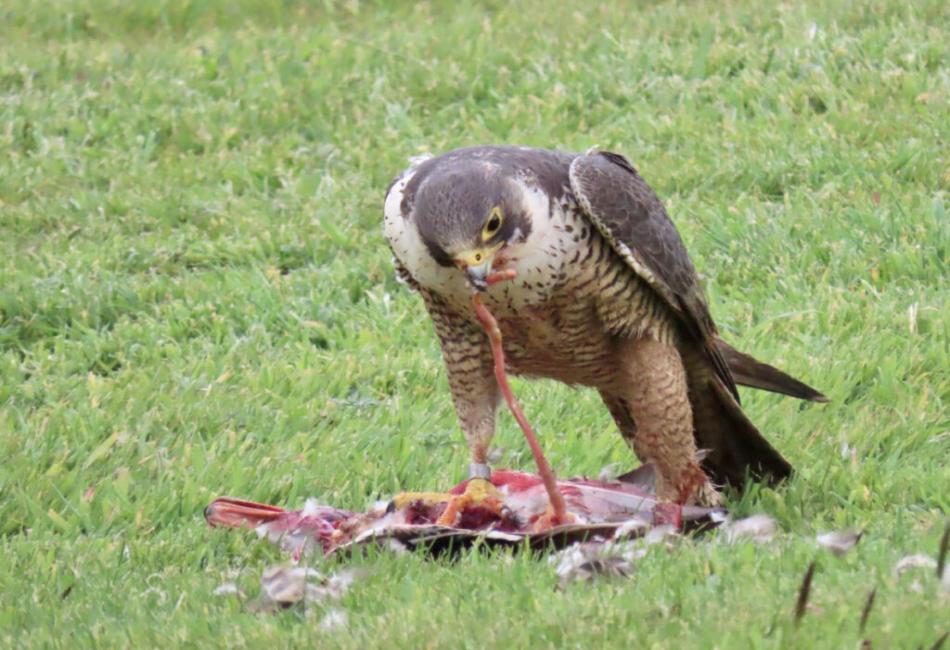
Hawks have developed the following things to their advantage:
- Soaring and Spotting: Found above open country, where hawks soar on thermal updrafts and watch for motion.
- Perch and Pounce: They sit quietly on a tree limb, waiting to dive.
- Flying: Fast approach in the air, flown by hawk-bird hunters.
Their eyesight is 4 to 8 times better than a human’s, enabling them to see a rodent in a grassy field from hundreds of feet in the air.
Read Also: Black Crowned Night Heron
Do Hawks Eat Dead Animals?
Well, some hawks are also opportunists and will scavenge if the opportunity presents itself. And though hunters first and foremost, they won’t pass up a free meal if it’s freshly dead. During winter or when food is scarce, roadkill or carrion could make up its diet.
What Do Baby Hawks Eat?
Baby hawks, called eyasses, depend solely on their parents to feed them. Upon hatching, they are fed regurgitated meat and small prey items carried to the nest by the adults. Their diet includes:
- Small mammals
- Birds
- Insects
The eyasses grow and the parents bring larger prey, and the eyasses learn to tear and eat their food before they leave the nest.
Seasonal Variability in Diet of Hawk
What hawks eat varies through the seasons. For example:
- Spring and Summer: Prey is plentiful, such as insects, small birds, and rodents.
- Fall: Migration patterns cause new prey birds to come in.
- Winter: May turn to scavenging or hunting large mammals when prey is scarce.
Different Species, Different Diets
Hawks have specific diets of their own by species. A few of the more striking ones:
- Red-tailed Hawk: Known for eating small mammals. Occasionally takes reptiles and birds.
- Cooper’s Hawk: Primarily feeds on medium-sized birds. Skilled at maneuvering through forests.
- Northern Harrier: Hunts small rodents and amphibians. Frequently flying low over marshes.
- Swainson’s Hawk: Breeding: mammals and birds. Diet during migration: feeds on insects such as grasshoppers.
- Harris’s Hawk: Hunts in cooperative groups. Feeds on a jumble of birds, rodents, lizards.
Effect of Hawk Predation on Ecosystems
Hawks are a crucial part of the ecosystem:
- Pest Control: Hawks are a natural deterrent to rodent and insect crop pests.
- Control on Biodiversity: They keep the balance by hunting sickly or weaker animals.
- Food Chain Equilibrium: Hawks keep a cap on the population of some species.
Should You Feed Hawks?
No, it’s not safe to feed wild hawks. Interaction with humans can break up their instinctive hunting behavior and turn them into an addict. And feeding can be dangerous to hawks and humans: it can lead to conflict and injury.
Hawks, instead, can be supported by:
- Avoiding pesticide use
- Establishment of tall tree habitat zones
- Protecting nesting areas
FAQs About What Hawks Eat
Q1: What is the prey of hawks?
A: Most hawks’ diets consist mainly of small mammals like mice, voles, and squirrels. Some of the larger songbirds, along with pigeons and doves, may be the preferred prey of the bird-eating hawks.
Q2: Do hawks eat snakes?
A: Yes, many hawks will eat snakes, particularly where they are more common—the south and western parts of the US or grasslands. The Red-shouldered, in fact, especially feeds on reptiles.
Q3: Can hawks eat a dog or cat?
A: It’s extremely rare. True, a very big hawk could swoop off with a kitten or a small pet under 5 pounds, but they generally avoid that risk and stick to easier wild prey.
Q4: What do hawks eat in winter?
A: In the winter, hawks might eat larger mammals, scavenge for dead animals or eat more birds because rodents and insects are not as readily available.
Q5: Can hawks eat fish?
A: Very rarely, some hawks such as the Red-shouldered Hawk or Broad-winged Hawk are known to eat small fish near water.
Q6: What do hawks feed their young?
A: Mother hawks bring eyasses small birds, mammals, and insects in pieces that the little guys can fit into their stomachs.
Q7: Are there times when hawks eat fruit/vegetation?
A: No, hawks are obligate carnivores and feed entirely on animal prey.
Final Thoughts
So, what do hawks eat? The answer is: just about any meat they can catch. From field mice to songbirds, snakes to grasshoppers, hawks are agile hunters of all kinds. The food they eat changes with the seasons and with what’s available in their habitats, and it even varies based on the species’ own quirks.
Knowing what hawks eat doesn’t just provide insight into their survival, but is also a reflection of why nature is so interconnected. Now you have a better sense for how they carefully select and capture their next meal each time another hawk sails high overhead.
![Fish Crow [Corvus ossifragus] Facts, Sounds, Habitat](https://birdzpedia.com/wp-content/uploads/2023/12/Fish-Crow-768x402.png)