
Black Crowned Night Heron: The Mysterious Guardian of Wetlands
Few birds are as interesting or as widely distributed as the black crowned night heron. Mysterious, elusive, and strictly nocturnal in their feeding and predatory activities, the black crowned night heron has been a lifelong obsession for bird watchers, bird photography enthusiasts, and environmentalists. Occurring in marshes, lakes, rivers, and estuaries, this bird is quite conspicuous with its cryptic plumage, hunched posture, and piercing red eyes. In this article, we’ll cover everything you need to know about black-crowned night herons, including their physical attributes, habitats, behaviors, diet, and conservation status.
Black Crowned Night Heron, Up Close and Personal
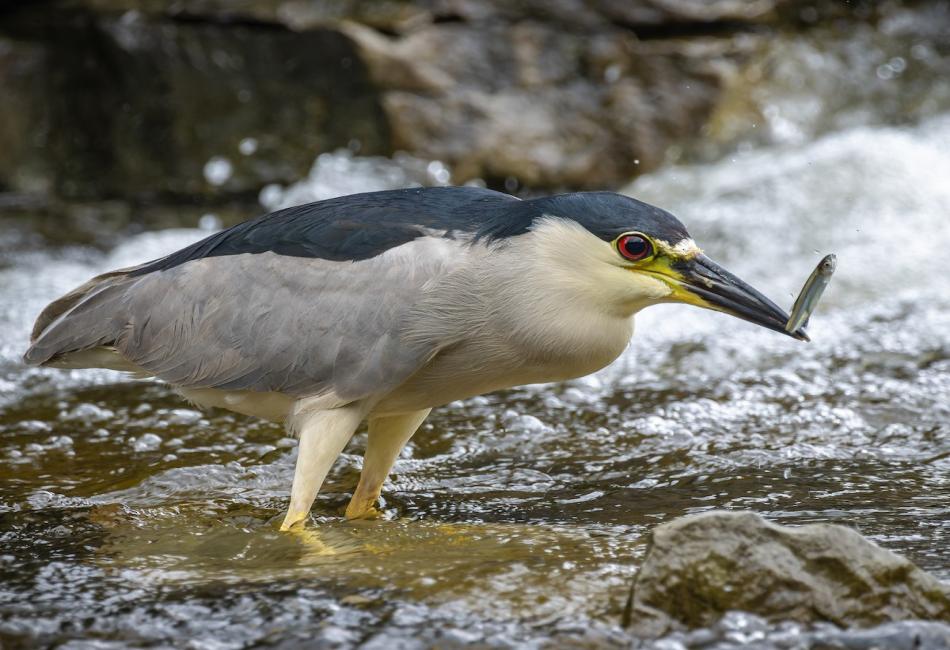
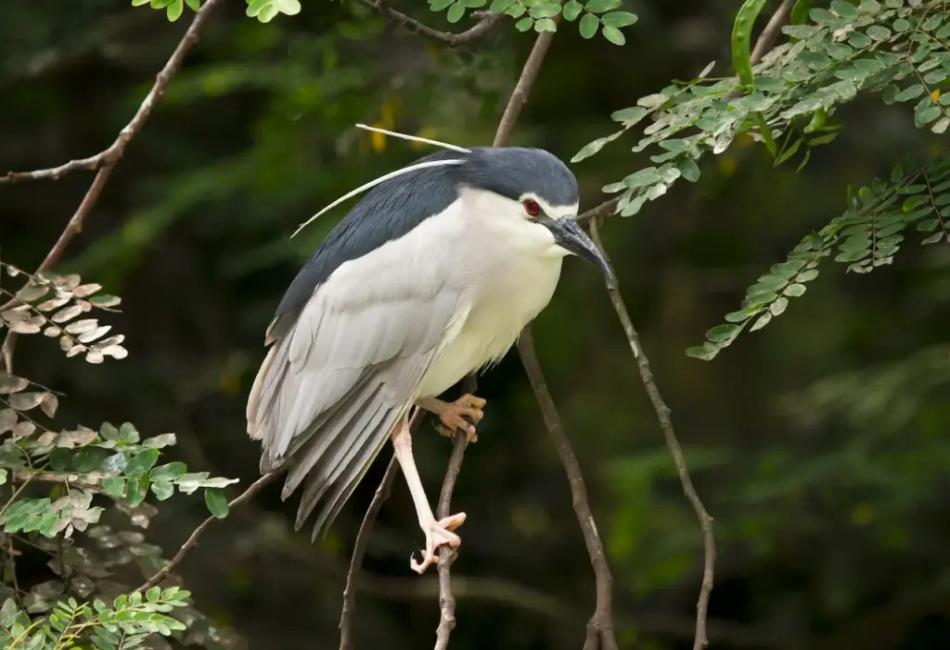
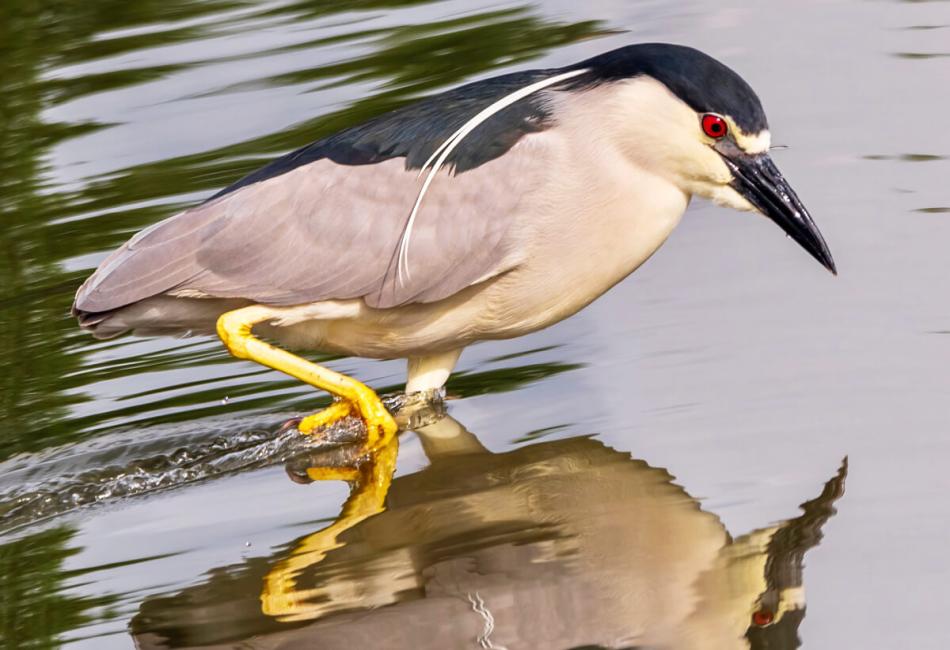
The black crowned night heron (Nycticorax nycticorax) is a striking, medium-sized heron. It has a black crown and back, a white nape, and a pale grey body, wings, and tail. Adults feature deep red eyes and, during the breeding season, long white plumes extend from the back of the head. Unlike other herons that stand tall and graceful, the black crowned night heron appears stocky and hunched, lending it an almost owl-like aura, especially at dusk or during night hunts.
Black Crowned Night Heron Sound: The Spooky Call of the Night
The call of the black crowned night heron is a distinct and eerie hallmark of nighttime wetlands. Often described as a loud “quawk” or “wok,” this sharp, short call is heard primarily during dusk or while the bird is flying at night. Unlike the melodic calls of some birds, the black-crowned night heron’s sound pierces the stillness of night and serves as both a communication method and a territorial alert. During the mating season, calls can become softer and more varied, as males use them to attract females.
Juvenile Black Crowned Night Heron: A Fascinating Transformation
The juvenile black crowned night heron looks entirely different from the adult. While adults exhibit sleek black and white plumage, juveniles are covered in brown feathers with whitish or buff streaking, perfect for camouflaging in dense vegetation. Their eyes are yellow (as opposed to the adults’ red), and they lack the long white plumes seen in breeding adults. Juveniles take two to three years to fully transition into adult plumage, offering a vivid study in avian development.
Read Also: Blue Jay Spiritual Meaning
Habitat and Range: Where the Black Crowned Night Heron Makes Its Home
The black crowned night heron is cosmopolitan, found on every continent except Australia and Antarctica. Its range includes:
- North and South America
- Europe
- Asia
- Africa
- Islands such as Madagascar and the Galápagos
These birds prefer wetlands like freshwater and saltwater marshes, riverbanks, lakeshores, estuaries, mangroves, reservoirs, and rice paddies. They typically roost in trees or thick brush near water and may fly several kilometers during the night in search of food.
Nocturnal Habits: Nighttime is the Right Time
As its name implies, the black crowned night heron is mostly nocturnal. Unlike other herons that feed during the day, this species hunts during the evening or early morning, offering several advantages:
- Reduced competition: Feeding at night avoids direct rivalry with day-feeding herons and egrets.
- Stealthy tactics: Darkness helps the heron ambush fish and amphibians more effectively.
During the day, black crowned night herons rest quietly, often in groups, only becoming active after sunset.
Feeding Habits: Opportunistic and Efficient
This species is a “stand-and-wait” predator. Black crowned night herons typically remain motionless at the water’s edge, waiting for prey to come within striking range. Their diet includes:
- Fish (main component)
- Amphibians like frogs and toads
- Crustaceans (crabs, crayfish)
- Insects
- Small reptiles
- Small mammals (occasionally)
- Eggs or nestlings of other birds (especially in colonies)
Their stealth and patience make them highly effective nighttime hunters.
Read Also: Blue Jay Meaning
Breeding and Nesting Behavior
Black crowned night herons breed colonially and often nest near or with other waterbirds. The nesting season varies by region but generally occurs during warmer months.
Key behaviors:
- Courtship displays: Males perform bowing, stretching, and bill-clapping to attract mates.
- Nest construction: Both sexes build nests from twigs in trees, shrubs, or reeds.
- Incubation: Females lay 3–5 pale blue-green eggs, which are incubated for 24–26 days by both parents.
- Raising young: Chicks are semialtricial and fledge after about 6–7 weeks. In some colonies, cooperative breeding occurs, with older siblings or unrelated adults helping raise the young.
Conservation Status of the Black Crowned Night Heron
Currently, the black crowned night heron is classified as Least Concern by the IUCN. However, local populations may be affected by:
- Wetland destruction and drainage
- Pollution and water contamination
- Human disturbance near nesting areas
- Climate change is altering breeding habitats
Conservation measures like wetland protection and wildlife sanctuaries have helped maintain stable populations in many regions.
Cultural and Ecological Importance
Ecologically, the black crowned night heron plays a vital role as a top predator in wetland ecosystems, helping to control populations of amphibians and fish. Culturally, its nocturnal lifestyle and haunting call have given it a mystical reputation. In East Asian traditions, herons symbolize purity and patience—qualities embodied by the black crowned night heron’s calm, deliberate movements.
How to Spot a Black Crowned Night Heron
To successfully spot a black-crowned night heron:
- Visit at dusk or dawn when the birds are most active.
- Search shallow waters such as lake banks and marshes.
- Look for key features: stocky build, black crown, red eyes, and pale legs.
- Use binoculars and approach quietly, as these birds are often wary.
- Explore urban parks: They adapt well to city environments with ponds or lakes.
Black Crowned Night Heron FAQs
Q1: Are black crowned night herons threatened?
No. While some local populations face challenges, globally the species is listed as “Least Concern.”
Q2: What is the diet of the black crowned night heron?
They primarily eat fish but also consume frogs, insects, crustaceans, reptiles, and occasionally small birds or mammals.
Q3: Where can I see black crowned night herons?
They are found across all continents except Australia and Antarctica. Check wetlands, especially near water, at dusk.
Q4: Are black crowned night herons aggressive?
Generally shy and avoidant of humans, they may act defensively near nests.
Q5: How can I distinguish a juvenile black crowned night heron from an adult?
Juveniles are brown with streaks and yellow eyes. Adults have a black crown, red eyes, and sleek gray-and-white plumage.
Q6: Do black crowned night herons migrate?
Yes. Those in colder regions migrate, while tropical populations tend to be resident year-round.
Q7: How long do black crowned night herons live?
They typically live 10–15 years in the wild and may live longer in captivity.
Q8: What role do black crowned night herons play in the ecosystem?
They regulate fish and amphibian populations and serve as bioindicators of wetland health.
Q9: What does it mean when you see a black crowned night heron?
Symbolically, it can represent mystery, patience, and introspection. For birders, spotting one is a rewarding experience.
Q10: How big is a black crowned night heron?
They are medium-sized herons, measuring 56–66 cm in length with a wingspan of 115–120 cm and weighing 700–1,000 grams.
Read Also: Animals That Start With X
Conclusion: The Timelessness of the Black Crowned Night Heron
From ghostly calls echoing through wetlands to the silent swoop of wings under moonlight, the black crowned night heron represents a blend of mystery, elegance, and ecological importance. Its global distribution, cryptic behaviors, and vital role in wetland ecosystems make it a species worth watching—and protecting.
Whether you’re an avid birder or a curious observer, witnessing the black crowned night heron in its natural habitat is a reminder of nature’s quiet beauty and the nocturnal secrets that unfold under the stars. So next time you’re near a still marsh at twilight, watch and listen—you might just be in the company of this mysterious guardian of the wetlands.