

Dove Bird: Symbol of Peace, Beauty, and International Status
The dove bird species has long been appreciated for its balanced nature, is graceful in flight, and also holds significant symbolism in diverse cultural traditions. Whether gliding through country air or nesting at backyard feeders, the dove bird holds a special place in most people’s hearts, not only with its gentle cooing but also with its cultural, spiritual, and environmental presence. This article will explore them in detail – biology, species, behavior, habitat, relationship with people (if any), and much more – a useful guide for backyard bird lovers, naturalists, and those who are just attracted by these wonderful creatures of nature.
What Is a Dove Bird?
The dove bird is from the Columbidae family, to which the pigeon also belongs. There is really no true taxonomic difference between a “dove” and a “pigeon”—the words are frequently used both ways based on size and geographical location. Usually, since the white doves) *Normally by dmes.wm.edu
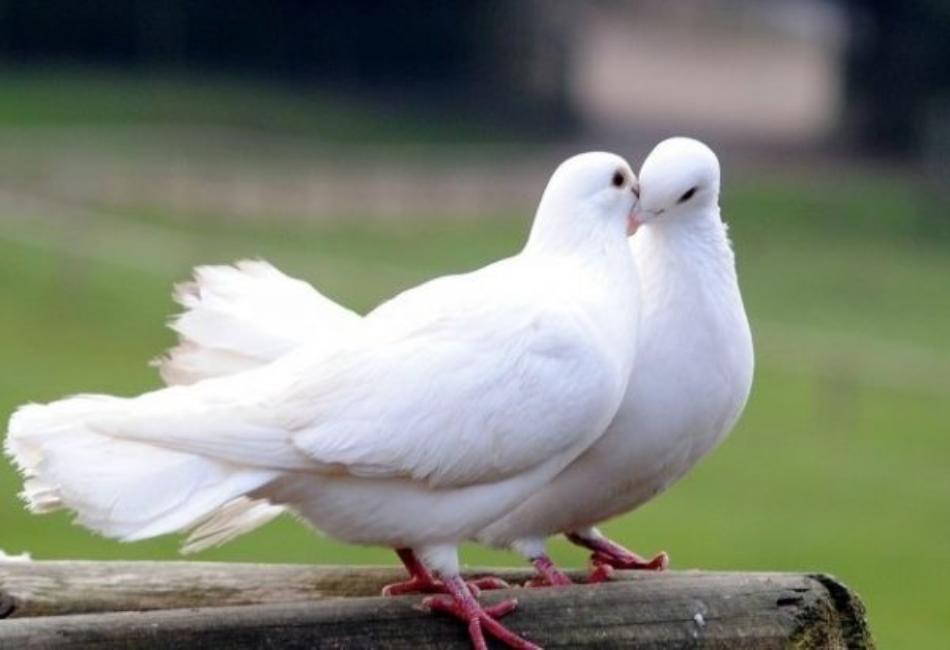
The white dove bird is probably the most popular and well-known of all the dove varieties. With all its splendid plumage and gentle presence, it has featured in wedding ceremonies, peace rallies, and soul gatherings across the globe. While technically a domesticated form of the rock pigeon, the white dove bird is used to represent innocence, love, and purity; it’s commonly released in pairs or flocks during events signifying beginnings, hope, and peace, or as a symbol of mourning and a goodbye. Their beauty and magnificent flight make them an emblem for religious and worldly traditions alike, and they have served as living symbols of peace and optimism.
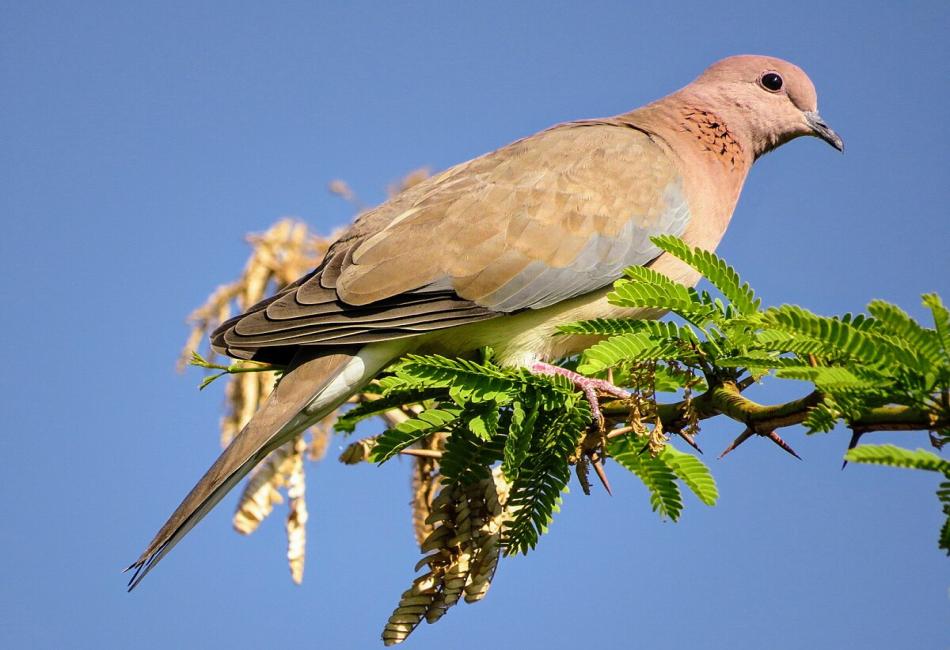
Dove Bird Symbolism in Various Cultures and History
Dove Bird Symbol And Meaning
The dove bird meaning has been so packed with symbolism across cultures, regions, and belief systems. Doves symbolize peace, love, faithfulness, and the spirit in many cultures. For Christians, a dove symbolizes the Holy Spirit and pureness of the soul, and in Greek mythology, the same creature represented Aphrodite, the goddess of love. To Native American tribes, the dove bird is a symbol of change and resolution. Whittled in religious sculpture, printed on olive sprigs, or cooed from a rooftop, the dove bird meaning is consistent—an air of peace, purity, gentleness, and truth.
Andean Festival White Feathered Dove And Their Cultural Significance
More often than not, when one imagines a white dove bird, one imagines the seriousness of events or holy experiences. The white dove’s light, snowy plumage is both a visual wonder and a weighty allegory. They are viewed as messengers of the divine will, of peace, and of determination. Both in the East and the West, if a white dove bird flies into vision, it is a good omen and peace after conflict or a message from beyond. These birds bring to mind the ideas of clarity, hope, and the gentle strength of stillness in the maelstrom.
“Pigeon” is left for the bigger birds. They have short legs, a bill, and a neck. From tropical rainforests to deserts, city parks to outer islands, it can be found all around the world.
Species of Dove Birds Worldwide
There are more than 300 species of doves and pigeons, a lot of them well known for their beauty and cooing calls. Here are a few notable types:
- Mourning Dove
One of the best-known species of North America, the mourning dove, the Broad-billed Hummingbird has a sorrowful and soft coo. It’s long and slim with a pronounced, pointed tail and pale brown body.
- Eurasian Collared Dove
A relative newcomer to North America, this species of dove sports a call-shaped black collar at the back of the neck and has quickly spread across much of the country because of its hardiness.
- White Dove
An increasingly common domesticated rock pigeon breed (or Columba livia domestica), the white dove is often released during ceremonies. It’s a universal symbol of peace, purity, and new beginnings.
- Inca Dove
This little dove lives in the Great Southwest U.S. and Mexico. Its plumage is scaly, and it’s distinguished by forming large communal winter roosts in cold weather.
- Diamond Dove
This diminutive species, which is native to Australia, boasts red eyes, orange eye rings, and white spots on its wings that resemble diamonds.
- Spotted Dove
Common across Asia, it is readily identified by its white-spotted black nape. It’s commonplace in gardens and urban areas.
Read Also: Eurasian Collared Dove
Dove Bird Habitat and Distribution
Dove birds live on all the continents except Antarctica. They are highly adaptable and are found over a wide area. You’ll find them in:
- Woodland and Forest Edges: Attract doves by providing access to trees and nesting in woodland and forest with at least occasional open areas for foraging.
- In the Cities: Several species have taken to city life, feeding at parks, sidewalks, and rooftops.
- Deserts and Scrublands: White-winged dove may do well in chat.
- Islands: There are some species of doves that are endemic to islands and act as good indicators of the health of those species.
They nest in cavities or build twig nests, depending on the species and environment. They are fast to become naturalised in human-modified environments, which accounts for their increasing presence in suburban and urban environments.
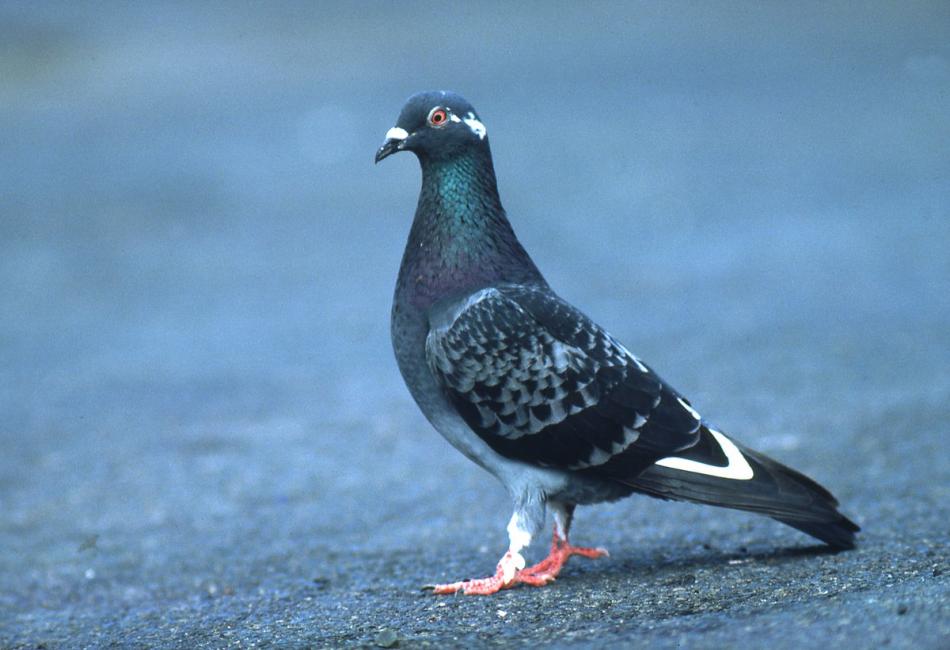
Physical Characteristics
Even though the size and color may differ from bird to bird, there are some characteristics that most doves have in common.
- Size: The ideal size for most doves is 6 to 13 inches.
- Color: Browns, grays, whites, and for some tropical species, even blues or greens.
- Beak and Legs: They have pointed beaks for pecking seeds and legs designed for perching.
- Flight: Doves are powerful fliers with fast, straight flight and quick wing beats.
Dove Bird Behavior
Doves are day birds, fighting by day and foraging, preening, and cooing to mates or competitors. Sociable but not rowdy, most species are monogamous, while breeding several times a year.
Vocalizations
Cooing is one of the most characteristic sounds of the dove. Calls between species differ, but they often attract a mate, mark territory, or talk to family. The dove bird may not sing intricate songs, but instead gives peaceful, rhythmic notes.
Feeding Habits
Primarily granivorous, doves feed on:
- Seeds (millet, sunflower, corn)
- Grains
- Small berries
- Occasional insects
They feed primarily on the ground or at bird feeders and depend on water, frequently drinking and bathing daily.
Read Also: Black Crowned Night Heron
Dove Bird Reproduction and Nesting
Doves are prolific breeders. Some species can raise young almost year-round in tropical or temperate climates.
- Courtship: Males puff up, coo, and do flight displays to attract females.
- Nesting: They nest in trees, shrubs, and buildings, and can even use hanging planters to nest.
- Eggs: One clutch consists of two white eggs.
- Incubation: Eggs are incubated on and off by both parents for 14 to 18 days.
- Fledgling: Chicks (squabs) leave the nest after two weeks.
One of its peculiarities is to secrete “crop milk,” a high-protein nutrient crop secretion, from both parents for the young in the first days of life.
Cultural and Spiritual Symbolism
Few animals in the world have as many symbolic and spiritual meanings as the dove bird. Considered across cultures and religions to be symbols of:
- Peace: White doves are released during peace ceremonies, funerals, and weddings.
- Love and Devotion: Doves mate for life and are often used as symbols of fidelity.
- Spiritual Messengers: The dove is a representation of the Holy Spirit in Christian religious imagery. In Greek mythology, it was connected to Aphrodite, the goddess of love.
- Hope: The biblical tale of Noah involves a dove bringing back an olive branch to indicate the end of the flood.
Threats and Conservation
Though many species of doves are flourishing, some are experiencing dangers as a result of:
- Loss of Habitat
- Hunting
- Invasive Species
Thankfully, the most common species – including the mourning dove and the Eurasian collared dove – are rated as “Least Concern” by the IUCN. Some are vulnerable or endangered, particularly island endemics.
Fun Facts About Dove Birds
- Dove birds suck water like sucking from a straw.
- The term “turtle” in turtledove is from the Latin “turtur”—echoic of their cooing.
- Doves produce “crop milk” richer in protein than cow’s milk.
- Doves in captivity can live over 10 years; wild ones often only 1.5 years.
- Though symbols of peace, doves can be territorial during breeding.
Read Also: Blue Jay Spiritual Meaning
Frequently Asked Questions (FAQs)
Q1: What differentiates a dove from a pigeon?
There’s no strict scientific difference. “Dove” usually denotes smaller species and “pigeon” larger ones, but both belong to the Columbidae family.
Q2: What do dove birds eat?
Seeds, grains, small berries, and sometimes insects.
Q3: Where do dove birds live?
Worldwide, in diverse habitats: forests, deserts, cities, and islands.
Q4: Why are doves birds of peace?
Their calm nature and historical/religious symbolism make them emblems of peace.
Q5: What is the lifespan of dove birds?
1–5 years in the wild; up to 10–15 years in captivity.
Q6: How do I attract doves to my yard?
Offer ground feeders with seeds, water, and nearby trees or shrubs.
Q7: Are dove birds good pets?
Yes, especially species like the ring-necked dove, if given proper care and space.
Q8: Do all types of doves look the same?
No. Doves vary widely in color, size, and markings.
The Dove – Timeless and Enduring
The dove bird is more than a typical park sight or poetic symbol — it’s an actual biological wonder, a cultural icon, and an essential creature to global ecosystems. With their regal bearing and soothing coos, doves bring beauty to wilderness areas and the human world. Whether you are observing a mourning dove puff its chest on a rooftop or releasing white doves at a wedding, these birds carry a message that transcends time and geography. In this world that speaks so loudly, the dove bird brings with it peace, togetherness, and the strength that comes from being gentle.
![Southern Ground Hornbill [Bucorvus leadbeateri]: Complete Guide](https://birdzpedia.com/wp-content/uploads/2024/01/Bucorvus-leadbeateri-768x402.jpg)
![Little pied cormorant[Microcarbo melanoleucos]: Fascinating Details](https://birdzpedia.com/wp-content/uploads/2024/01/Little-pied-cormorant-768x402.jpg)

![Discovering The Indian cormorant[Phalacrocorax fuscicollis]](https://birdzpedia.com/wp-content/uploads/2024/01/Indian-cormorant-768x402.jpg)
