
Moon Bear: The Enigmatic and Resilient Asiatic Black Bear
The moon bear (Ursus thibetanus), also known as the Asiatic black bear, is a fascinating species native to the forests of Asia. Recognized for the crescent-shaped white or yellowish patch on its chest, this bear has long intrigued scientists, conservationists, and animal lovers alike. Despite its resilience and adaptability, the moon bear faces significant threats, including habitat destruction, poaching, and illegal wildlife trade. This article explores the moon bear’s characteristics, habitat, behavior, cultural significance, and conservation efforts.
Physical Characteristics and Appearance
The moon bear is a medium-sized bear, generally smaller than the American black bear but larger than the sun bear. Males can weigh between 200 to 440 pounds (90 to 200 kg), while females are slightly smaller, weighing between 110 to 275 pounds (50 to 125 kg).
Some key features of the moon bear include:
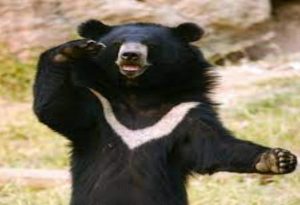
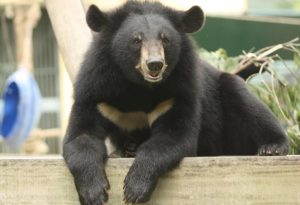
- Distinctive crescent-shaped mark: The species is named after the pale crescent mark on its chest, which resembles a rising moon.
- Thick, shaggy black fur: Unlike its American counterpart, the moon bear has longer and denser fur, especially around its neck, giving it a mane-like appearance.
- Rounded ears and strong limbs: These adaptations help them survive in dense forests and mountainous terrains.
Habitat and Distribution
Moon bears are found in a wide range of habitats, spanning the Himalayas, China, Korea, Russia, Japan, Vietnam, Laos, and Thailand. They are highly adaptable and can live in dense forests, mountainous regions, and even subtropical environments. However, their preferred habitat consists of deciduous and evergreen forests where they can find food and shelter.
Moon bears are excellent climbers and often spend time in trees, making them one of the most arboreal bear species. They use tree hollows as dens for hibernation in colder climates, though bears in warmer regions may remain active year-round.
Diet and Feeding Habits
Moon bears are omnivores, with a diet consisting of both plant-based and animal-based foods. Their diet varies depending on the season and availability of resources. Some of their common food sources include:
- Fruits and berries (apples, cherries, acorns)
- Nuts and seeds
- Insects, honey, and small mammals
- Carrion (dead animals) and fish
- Bamboo shoots and tree bark
Their strong jaws and teeth allow them to crack open nuts, while their long claws help them climb trees to reach fruit. In some regions, they have been known to raid agricultural crops, making them a conflict species in rural communities.
Behavior and Social Structure
Moon bears are solitary creatures, except during mating season or when a mother is raising her cubs. They are mostly nocturnal, preferring to forage for food at night.
Some fascinating behaviors of moon bears include:
- Marking their territory by rubbing against trees and scratching bark with their claws.
- Standing on their hind legs when feeling threatened or trying to get a better view of their surroundings.
- Using vocalizations such as growls, roars, and grunts to communicate.
- Hibernation: Some moon bears hibernate in colder regions, while others remain active depending on food availability.
Mother bears are highly protective of their cubs, usually giving birth to one to three cubs at a time. Cubs stay with their mothers for about two years before venturing out on their own.
Cultural Significance and Mythology
Moon bears have a deep-rooted significance in Asian culture and mythology. In Chinese and Japanese folklore, they are sometimes depicted as symbols of strength, wisdom, and resilience.
In Korean culture, the myth of the bear-woman is one of the most well-known legends. According to the story, a bear transformed into a woman and gave birth to the founder of Korea, King Dangun.
Unfortunately, this reverence has not always translated into protection, as moon bears have also been exploited in traditional medicine, leading to severe conservation concerns.
Threats and Conservation Challenges
Moon bears face numerous threats, including:
1. Habitat Destruction
Deforestation due to logging, agriculture, and urban expansion has significantly reduced their natural habitat. As forests disappear, moon bears are forced into human settlements, increasing conflicts with locals.
2. Illegal Wildlife Trade and Bear Bile Farming
One of the most serious threats to moon bears is bear bile farming, a cruel practice where bears are kept in captivity for their bile, which is used in traditional Chinese medicine. Despite efforts to ban or regulate the industry, thousands of moon bears remain trapped in tiny cages, suffering extreme physical and psychological distress.
3. Poaching and Hunting
Moon bears are hunted for their gallbladders, paws, and fur. Bear paws are considered a delicacy in some cultures, while their body parts are used in alternative medicine, despite the availability of herbal substitutes.
4. Human-Wildlife Conflict
In rural areas, moon bears sometimes raid farms in search of food, leading to conflicts with farmers who may kill them to protect their crops.
Conservation Efforts and Future Prospects
Conservation organizations and wildlife activists are working to protect moon bears through sanctuaries, rehabilitation programs, and legal enforcement. Some of the significant efforts include:
1. Bear Sanctuaries and Rescue Centers
Organizations like Animals Asia and Free the Bears have rescued hundreds of moon bears from bile farms, providing them with a safe and natural environment where they can recover and live freely.
2. Stricter Laws and Enforcement
Many countries have banned bear bile farming, and stricter penalties have been introduced for poaching and illegal trade. However, enforcement remains a challenge in some regions.
3. Public Awareness and Education
Increasing public awareness about the suffering caused by bile farming and poaching has led to growing support for moon bear conservation. Educational programs encourage communities to protect rather than exploit these incredible animals.
4. Habitat Protection and Reforestation
Efforts to preserve and restore forests are essential in providing moon bears with safe habitats. National parks and wildlife reserves play a crucial role in protecting bear populations.
Conclusion
The moon bear is an incredible and resilient species that plays an essential role in the ecosystem. Despite facing significant threats, conservation efforts offer hope for their survival. By supporting responsible wildlife protection initiatives, promoting sustainable practices, and spreading awareness, we can help ensure that these majestic bears continue to thrive in the wild.
Whether admired for their unique crescent-shaped marking, their intelligence, or their cultural significance, moon bears deserve a future free from exploitation and suffering. Through global efforts and dedicated conservation work, we can help protect these fascinating creatures for generations to come.
FAQ on Moon Bear: The Enigmatic and Resilient Asiatic Black Bear
What is a moon bear?
A moon bear, also known as the Asiatic black bear (Ursus thibetanus), is a medium-sized bear native to Asia, recognizable by the crescent-shaped white or yellow mark on its chest.
Where do moon bears live?
Moon bears are found in forests across Asia, including the Himalayas, China, Korea, Russia, Japan, Vietnam, Laos, and Thailand.
What do moon bears eat?
They are omnivores, feeding on fruits, nuts, seeds, insects, honey, small mammals, and sometimes carrion.
Why are moon bears endangered?
Moon bears face threats from habitat destruction, poaching, illegal wildlife trade, and bear bile farming, which has led to a decline in their population.
What is bear bile farming?
Bear bile farming is a cruel practice where moon bears are kept in captivity and their bile is extracted for use in traditional medicine, despite available herbal alternatives.
How can we help protect moon bears?
Supporting conservation organizations, advocating for bans on bile farming, promoting reforestation, and spreading awareness about their plight can help protect moon bears.