
Newts: Fascinating Amphibians of the Wild
Introduction
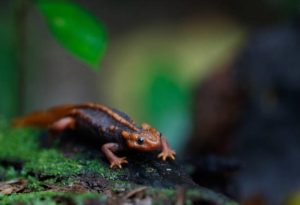
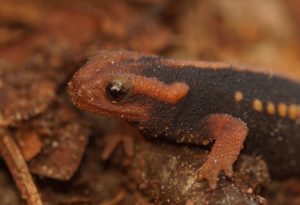
Newts are fascinating amphibians known for their unique life cycle, striking appearance, and remarkable regenerative abilities. Found across North America, Europe, and Asia, these small, semi-aquatic creatures play a crucial role in their ecosystems. Their ability to regenerate limbs and organs makes them a subject of scientific research, while their distinct coloration and behavior intrigue nature enthusiasts. In this article, we will explore the world of newts, covering their biology, habitat, diet, reproduction, and conservation.
Biology and Classification
Newts belong to the Salamandridae family, which includes over 100 species. They are closely related to salamanders but differ in several key ways, particularly in their life cycle and more aquatic nature. Newts undergo three distinct life stages:
- Aquatic Larva – Hatchlings resemble tadpoles and breathe through gills.
- Terrestrial Juvenile (Eft Stage) – In many species, young newts develop lungs and live on land for several years.
- Aquatic Adult – They return to the water to breed, completing their life cycle.
Habitat and Distribution
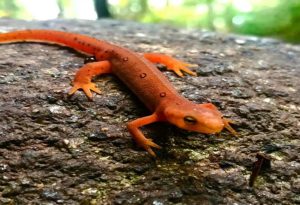
Newts are commonly found in wetlands, ponds, streams, and forests, where they require both aquatic and terrestrial environments to complete their life cycle. Depending on the species, newts may favor still water, slow-moving streams, or damp woodland floors. They are particularly abundant in temperate climates, where seasonal changes influence their behavior and migration patterns.
Diet and Predation
Newts are carnivorous and primarily feed on invertebrates such as:
- Insects
- Worms
- Small crustaceans
- Tadpoles and fish eggs
Newts, in turn, face predation from birds, larger amphibians, and fish. However, many species have developed chemical defenses, secreting toxins through their skin to deter predators. Their bright coloration, particularly in species like the red-spotted newt (Notophthalmus viridescens) and the fire salamander (Salamandra salamandra), serves as a warning sign to potential threats.
Reproduction and Life Cycle
Newts typically breed in spring, migrating to water bodies where males engage in elaborate courtship displays to attract females. Fertilization occurs externally; the female lays eggs individually on aquatic plants. The larval stage lasts several weeks to months, after which the juvenile efts move onto land for several years before returning to water as sexually mature adults.
Regeneration Abilities
One of the most extraordinary aspects of newts is their ability to regenerate limbs, eyes, spinal cord, heart tissue, and even parts of their brain. Unlike humans and most other vertebrates, newts can regrow entire structures without significant scarring. Scientists study these capabilities in hopes of unlocking medical advancements for human tissue regeneration and wound healing.
Newts in Culture and Folklore
Newts have been featured in folklore, mythology, and literature for centuries. In medieval Europe, they were associated with witchcraft and alchemy, believed to possess magical properties. Shakespeare famously referenced newts in Macbeth with the line, “Eye of newt, and toe of frog.” Despite these superstitions, newts continue to captivate people with their unusual abilities and mystical appeal.
Conservation Status
Many newt species face threats from habitat destruction, pollution, and climate change. Some species, such as the great crested newt (Triturus cristatus) in Europe, are considered vulnerable due to habitat fragmentation. Conservation efforts focus on:
- Habitat preservation – Protecting wetlands and breeding sites.
- Pollution control – Reducing pesticides and contaminants in water bodies.
- Captive breeding programs – Supporting population recovery through controlled breeding initiatives.
Conclusion
Newts are extraordinary creatures that play an essential role in their ecosystems while inspiring scientific advancements. Their remarkable regenerative abilities, unique life cycle, and striking appearance make them one of the most intriguing amphibians. As human activity continues to impact their natural habitats, conservation efforts are crucial to ensuring that these fascinating creatures thrive for generations to come.
FAQ: Newts – Fascinating Amphibians of the Wild
1. What is a newt?
A newt is a small, semi-aquatic amphibian belonging to the salamander family. They have a unique life cycle that includes aquatic, terrestrial, and adult aquatic stages.
2. Where do newts live?
Newts are found in wetlands, ponds, streams, and forests across North America, Europe, and Asia. They require both land and water to complete their life cycle.
3. What do newts eat?
Newts are carnivorous, feeding on insects, worms, small crustaceans, and even tadpoles or fish eggs.
4. Can newts regenerate body parts?
Yes, newts have remarkable regenerative abilities, capable of regrowing limbs, eyes, spinal cord tissue, and even parts of their brain.
5. Are newts poisonous?
Many species secrete toxins through their skin as a defense mechanism against predators. Their bright coloration often serves as a warning sign.
6. How do newts reproduce?
Newts breed in water, where males perform courtship displays. Females lay eggs on aquatic plants, and larvae develop before transitioning to land as juveniles.
7. What threats do newts face?
Habitat destruction, pollution, and climate change are major threats to newt populations. Some species, like the great crested newt, are considered vulnerable.
8. Are newts protected by conservation efforts?
Yes, conservation efforts include habitat preservation, pollution control, and captive breeding programs to support population recovery.