

Australian Animals: Unique Wildlife of the Land Down Under
Australia is home to some of the most unique and diverse wildlife on the planet. With its isolated evolution over millions of years, the continent has developed a vast range of marsupials, monotremes, reptiles, and birds that are found nowhere else in the world. From iconic kangaroos and koalas to the lesser-known quokka and cassowary, Australian animals are fascinating in their adaptations and survival strategies. This article explores some of the most remarkable species found in Australia, their habitats, behaviors, and the challenges they face.
Marsupials: The Most Iconic Australian Animals
One of the defining characteristics of Australian wildlife is the dominance of marsupials, mammals that give birth to underdeveloped young, which continue growing inside the mother’s pouch. About 70% of the world’s marsupials live in Australia.
1. Kangaroos
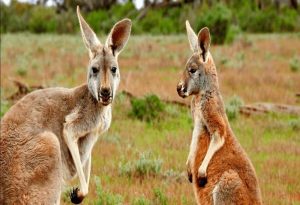
Perhaps the most recognizable Australian animal, kangaroos are large marsupials belonging to the Macropodidae family. There are four main species:
- Red kangaroo – The largest marsupial, reaching over 6 feet (1.8 meters) tall
- Eastern grey kangaroo – Common in forests and grasslands
- Western grey kangaroo – Found in southern and western Australia
- Antilopine kangaroo – Inhabits tropical northern regions
Kangaroos are herbivores and are known for their powerful hind legs, which allow them to travel up to 40 mph (64 km/h) in short bursts.
2. Koalas
Often mistaken for a bear, the koala is a tree-dwelling marsupial known for its adorable face and sleepy nature. Koalas primarily feed on eucalyptus leaves, which are tough and low in nutrients, leading them to sleep for up to 20 hours a day to conserve energy.
3. Wombats
Wombats are burrowing marsupials with strong claws for digging. They have backward-facing pouches to prevent dirt from covering their young while tunneling. Wombats are herbivorous and can run up to 25 mph (40 km/h) when threatened.
4. Tasmanian Devil
The Tasmanian devil is the largest carnivorous marsupial, known for its strong bite and loud screeches. Found only in Tasmania, this nocturnal hunter is endangered due to devil facial tumor disease (DFTD), a contagious cancer affecting wild populations.
5. Quokka
Dubbed the “happiest animal on Earth,” the quokka is a small, friendly marsupial native to Rottnest Island in Western Australia. Quokkas are known for their constant smiling expression and are primarily nocturnal herbivores.
Monotremes: Egg-Laying Mammals
Australia is home to two of the world’s only monotremes—mammals that lay eggs instead of giving birth to live young.
6. Platypus
The platypus is one of Australia’s most unusual animals, with a duck-like bill, webbed feet, and venomous spurs on its hind legs. It is semi-aquatic, feeding on insects, small fish, and crustaceans. The platypus is one of only a few mammals that can detect prey using electrolocation.
7. Echidna
The short-beaked echidna is a spiny, ant-eating monotreme that uses its long tongue to consume termites and ants. It curls into a ball of spikes when threatened, making it difficult for predators to attack.
Reptiles: Cold-Blooded Creatures of Australia
Australia has some of the deadliest reptiles in the world, including highly venomous snakes and massive saltwater crocodiles.
8. Saltwater Crocodile
The saltwater crocodile, or “saltie”, is the largest living reptile, growing up to 23 feet (7 meters) long and weighing over 2,200 pounds (1,000 kg). It is found in northern Australia and is a powerful apex predator, preying on fish, birds, and mammals—including large animals like water buffalo.
9. Inland Taipan
The inland taipan, also called the “fierce snake”, holds the title of the world’s most venomous snake. A single bite contains enough venom to kill 100 adult humans, though it is rarely encountered due to its remote desert habitat.
10. Frilled Lizard
The frilled-neck lizard is famous for its large, fan-like frill around its neck, which it flares when threatened to appear larger. This lizard is found in Northern Australia and is known for its ability to run on its hind legs.
11. Blue-Tongued Skink
This docile lizard has a bright blue tongue that it sticks out to scare predators. Blue-tongued skinks are omnivorous, feeding on insects, fruits, and plants.
Birds: The Colorful and Deadly Flyers of Australia
Australia has over 800 bird species, many of which are endemic to the country.
12. Emu
The emu is the second-largest bird in the world, standing over 6 feet (1.8 meters) tall. Though flightless, emus are fast runners, capable of reaching speeds of 30 mph (50 km/h).
13. Cassowary
The cassowary is one of the world’s most dangerous birds due to its powerful legs and sharp claws. Native to rainforests in northern Australia, cassowaries can jump up to 5 feet (1.5 meters) high and are capable of delivering deadly kicks to threats.
14. Kookaburra
Famous for its laugh-like call, the kookaburra is a carnivorous bird that preys on insects, small reptiles, and even snakes. It is commonly found in eucalyptus forests and suburban areas.
Marine Life: The Rich Waters of Australia
The waters surrounding Australia are home to some of the most diverse marine creatures, including the Great Barrier Reef’s vibrant ecosystem.
15. Great White Shark
The great white shark is one of the ocean’s top predators, growing up to 20 feet (6 meters) long. Australia is a hotspot for great white sightings, particularly along the southern coast.
16. Box Jellyfish
The box jellyfish is one of the most venomous marine creatures, with tentacles containing powerful toxins that can cause cardiac arrest in humans within minutes.
17. Dugong
The dugong, also known as a sea cow, is a large, gentle marine mammal that feeds on seagrass in northern Australian waters. It is closely related to the manatee.
Conservation Challenges
Many Australian animals are threatened by habitat destruction, climate change, and invasive species. Conservation efforts include:
- Protecting habitats through national parks and reserves
- Breeding programs for endangered species like the Tasmanian devil
- Public awareness campaigns to reduce human-wildlife conflicts
Conclusion
Australia’s wildlife is among the most unique and diverse in the world, featuring iconic marsupials, fascinating monotremes, deadly reptiles, and colorful birds. While many of these species thrive in their natural habitats, some face increasing threats that require conservation efforts to ensure their survival for future generations. From the powerful saltwater crocodile to the smiling quokka, each of these animals plays a vital role in Australia’s delicate ecosystem, making the continent one of the most exciting places for wildlife enthusiasts.
FAQ: Australian Animals – Unique Wildlife of the Land Down Under
1. What animals are unique to Australia?
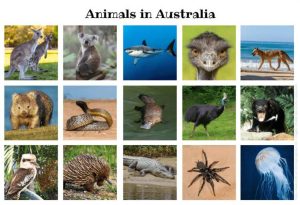
Australia is home to many unique animals, including kangaroos, koalas, wombats, Tasmanian devils, quokkas, platypuses, echidnas, emus, cassowaries, and frilled-neck lizards.
2. Why does Australia have so many unique animals?
Due to its geographic isolation for millions of years, Australia’s wildlife evolved independently, leading to the development of marsupials and monotremes found nowhere else in the world.
3. What is the most dangerous animal in Australia?
Some of Australia’s most dangerous animals include the saltwater crocodile, inland taipan (the world’s most venomous snake), box jellyfish, blue-ringed octopus, and cassowary, all of which can pose serious threats to humans.
4. Are kangaroos dangerous?
Kangaroos are generally not aggressive, but large males can be dangerous if they feel threatened, using their powerful legs to kick and defend themselves.
5. What is the cutest animal in Australia?
The quokka is often considered the happiest and cutest animal due to its constant smiling expression. Koalas and wombats are also beloved for their adorable appearances.
6. Do platypuses really lay eggs?
Yes! The platypus is one of only two monotremes (egg-laying mammals) found in Australia, along with the echidna.
7. What is the largest bird in Australia?
The emu is the largest bird in Australia and the second-largest bird in the world, after the ostrich.
8. Can you find penguins in Australia?
Yes! Little penguins, the world’s smallest penguin species, can be found along the southern coast of Australia, including Phillip Island in Victoria.
9. What is the loudest Australian bird?
The kookaburra is famous for its laugh-like call, which can be heard echoing through Australian forests.
10. Are Australian animals endangered?
Yes, several Australian species, including the Tasmanian devil, greater bilby, and some koala populations, are endangered due to habitat loss, climate change, and human activities. Conservation efforts are in place to protect them.


