
Great Tits: A Revealing Look Into The Life Of One Of Nature’s Most Resplendent Birds
The great tits (Parus major) are some of Europe’s most widespread and familiar birds. And whether you’re a casual backyard birder or a veteran ornithologist, you’ve probably encountered these charismatic birds flitting through gardens, forests, and parks. A great tit, with its vibrant hues, cheerful call and inquisitive nature, can be a marvel to any nature lover. In this post, we’ll cover everything you need to know about great tits, including their habitat, behavior, place in the ecosystems, and how to attract these loons to your garden!
Introduction to Great Tits
Great tit (Parus major)
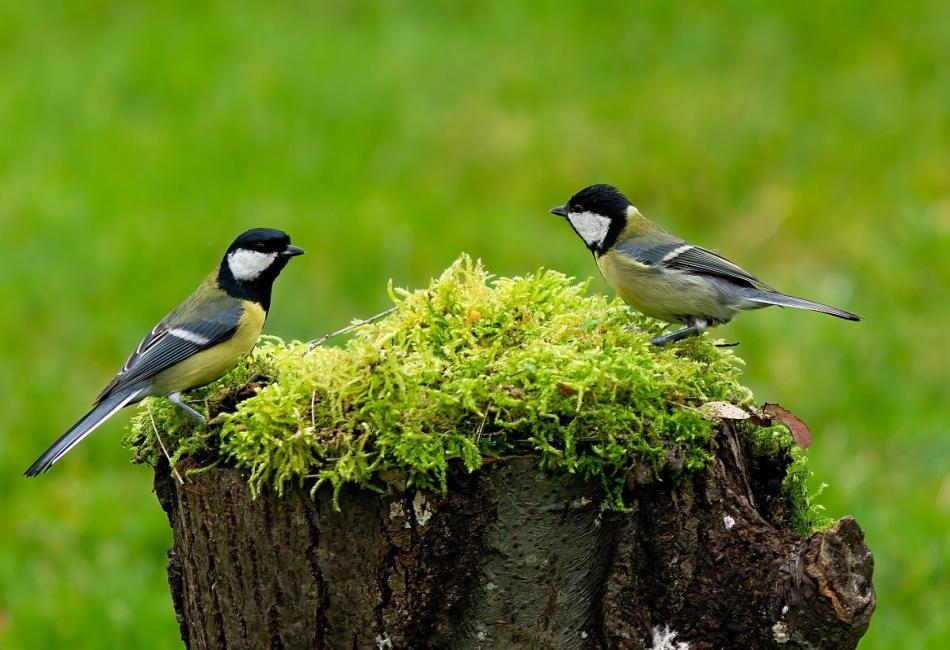
The Great tit is the largest Paridae and is noted for its intelligence and adaptability; it also has several striking colourways. These birds have olive upperparts and bright yellow underparts with a broad black band building to the belly. Widespread across Europe, parts of North Africa, and the majority of Asia, the great tit is an incredibly adaptable bird, and one that does well in both urban and countryside environs.
Physical Characteristics of Great Tits
Great tits are medium-sized passerines and range in size (11.5 to 14 cm (4.5–5.5 in) in length). Approximately the size of a house sparrow, they measure 12.5–14 cm in length, and have a wingspan of 18–20 cm, and a weight of 16–21 grams. Their distinctive coloration makes them one of the easiest birds to identify in their range.
Key identifying features:
- Black crown and bib: Contrast to their white cheeks.
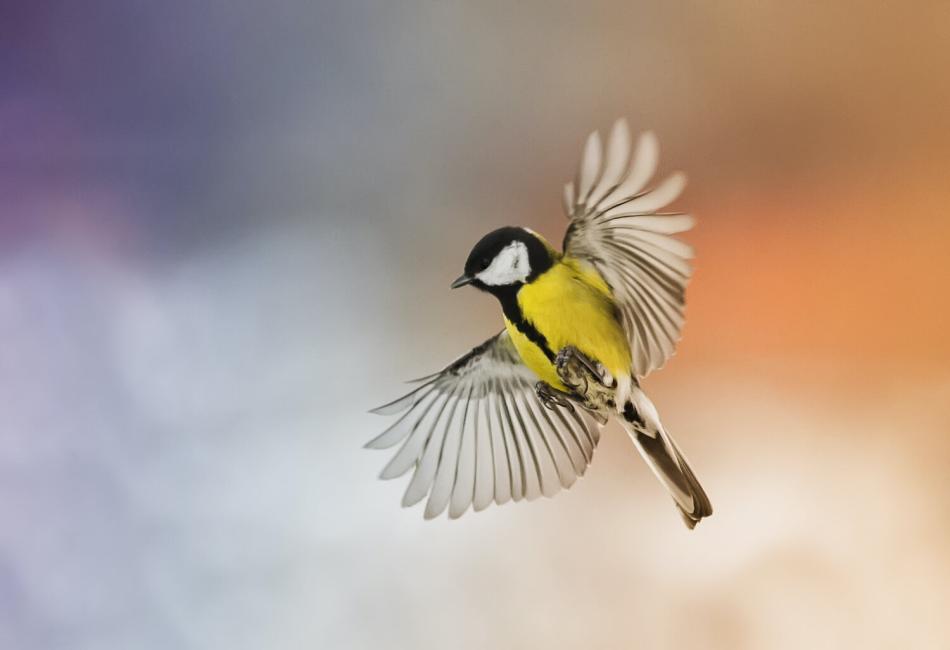
- Yellow underparts: Must be the name of your next band, perhaps lead by a heavy black vertical stripe.
- Greenish olive back and blue gray wings: Gives it more color and something a little different.
Curiously, males have a wider black stripe down the belly than females, and this helps with mating.
Great Tits’ Habitats and Distribution
Great tits are very flexible in their choice of home. You will come across them in diverse settings such as:
- Woodlands and forests
- Hedgerows and scrublands
- Urban gardens and parks
- Farmland with scattered trees
They have a wide distribution, extending from the Atlantic coast of Western Europe in the west to parts of the Middle East, Russia, and as far as Japan in the east. Great tits are not migratory in the Latitudinal zone of their range, although they can be subject to dispersion.
Diet and Feeding of Great Tits
The great tit is omnivorous, and has adapted well to human changes. They choose their food according to the season.
Spring and Summer:
Insects, caterpillars and spiders are main food, particularly when young are being fed.
Autumn and Winter:
Seeds, nuts, and berries gain in significance.
Great tits are common on bird feeders stocked with peanuts, sunflower seeds, and fat.
They have been known for their smarts and are problem solvers. In a well-known case from the United Kingdom, great tits learned to peck through the foil tops of milk bottles left on doorsteps to consume the cream below.
Read also: Female Peacock
Great Tit Breeding and Nesting
Great tit breeding season is usually from March to June. They are cavity nesters and will readily utilize natural cavities in trees, walls, and birdhouses.
Key nesting details:
- Egg clutch: 5 to 12 eggs, usually pale with redest speckles.
- Incubation: About 13–15 days, by female only.
- Fledging: Young typically fledge at 16–22 days.
Great tits frequently brood reared twice a season in years with a good food supply. Nest boxes can provide a boost to local populations and offer close-up views to the bushtit fan.
Great Tits’ Calls and Signals
Despite all other amazing traits, one of the likable is the broad range of songs and sounds made by great tits. Males are notably known for a distinctive two-note song – commonly known as “teacher-teacher” or “tee-cher tee-cher” used to attract females and protect territory.
Nonetheless, there are more:
- More than 40 different calls
- Calls can vary from one region to the other – basically “dialects.”
- Research has shown that great tits sing more slowly and with a higher pitch in areas with a lot of urban noise.
The song variation suggests that great tits can use their two-note systems to avoid interference from urban sound. The complexity of the calls, sound, and song is an indicator of the birds’ general intelligence and social complexity as well.
Read also: Albino Peacock
Great Tits’ Predators
Despite their abundance and lack of a present or serious threat, great tits face various natural and man-made dangers:
Predatory animals
- Birds of prey – falcons, hawks, buzzards, and owls
- Nest predators – snakes, squirrels, and some pets, like domestic cats.
Other threats:
- Habitat destruction
- Deforestation
- Expansion of urban areas
- Window strike in cities
- Decreased insect populations due to pesticides.
The last ecosystems materially aided the birds’ intelligence and adaptability enabled them to adapt to many of the challenges a modern bird can face.
Great Tits’ Role in Ecosystems
The birds have a vital ecological role, both as predator and prey. Their feeding pattern makes them helpful partners to gardeners and agriculturalists by using up the insects known for endangering crops. Each nest can feed thousands of caterpillars.
How to Attract Great Tits to Your Garden
Clean feeders often to avoid the spread of disease.
Provide Nest Boxes
- They’re to be used in 28 mm entrance holed wooden boxes.
- They should be placed 2–4 meters high and not in direct sunlight.
Plant Native Vegetation
- Include berry-producing shrubs and trees.
- It is necessary to filter pesticides from the run-off to have enough insects to feed the bird.
To attract great tits (or other birds), it helps to have a bird-friendly backyard in place already which is nice for biodiversity as well and other wildlife – it also helps to support other wildlife who don’t have feeders to visit.
Fun Facts About Great Tits
- Great tits may not recognize individual humans, particularly humans who regularly feed them.
- They present cultural features, like acquiring feeding tactics from each other.
- In colder zones they huddle together to conserve warmth.
- The birds are popular among birdwatchers and scientists because of their personality and smarts.
Why Bird Watching is Called Birding?
there’s a reason the great tits bird are so popular amongst birdwatchers. Large fern tip Titoutou Its colorful feathers, its curiosity, and especially its song, are so many occasions to observe, learn, and study. Frequently hopping between the branches or visiting feeders, the great tits bird is a mixture of boldness and charm that distinguishes it from many of the other species of small birds. Its flexibility to thrive in both a city park and deep forest is representative of its resilience to adapt to changing conditions. For beginner and experienced ornithologists alike, the great tit bird is one that you can never get enough of seeing.
Watching Great Tits Strip in the Wild
If bird watchers mention seeing great tits naked in the wild, they don’t mean without clothes; they mean without bands and tags and other human accouterments. Great tits hopping about in their natural form, as they would in unspoilt woodlands or deep in the countryside, that’s a thrilling closeness in the wildlife and nature world. Observing great tits in the nude, and in the absence of man, shows them foraging, socializing and mating as nature intended. For nature photographers and conservationists, it’s a reminder of the need to preserve wild spaces in which species like the great tit can prosper naturally.
The Tits Cam Bird-Watching Diary
And with the advent of nature-based live streams, many bird lovers are now afforded the opportunity to watch their favourite species on a tit cam. These webcams, situated over nesting boxes or over feeding stations, offer an intimate, close-up view of great tits in action as they live their little great tit lives — feeding, nesting, and raising their young. A great tits webcam is not only educational and environmentally friendly, it is also fun (and watching people watch titmouse birds is amusing), because it gives other people around the world the chance to watch as well — to film these birds with the assistance of a video camera without disturbing their nearest environment. These cams have been a hit with schools, researchers, and enthusiasts to help promote learning and love of wildlife.
Read also: Australian Birds
The Stylish But Subdued: The “Sorry for Having Great Tits” Sweatshirt Parties Your Ass Off, Birdwatcher
The “sorry for having great tits sweatshirt” has become a playful favorite for bird lovers with a sense of humor. A game of two halves this great tits bird and cheeky quip sweatshirt is a cheeky double entendre that honours both our love of birds and of a good bit of word play. A favorite among birdwatchers, environmentalists or anyone with a sense of humor, the sorry for having great tits sweatshirt has become increasingly popular as a conversation starter and lighthearted way to raise awareness for one of nature’s cutest little visitors. It’s evidence that birding can be educational and fun at the same time — even in your closet!
Frequently Asked Questions (FAQs)
Q1: Is the great tit an aggressive bird?
Yes, great tits can be very territorial, particularly during the breeding season. They can drive smaller birds away from feeders or nesting spots, and even peck at intruders to protect territory.
Q2: Do great tits migrate?
There will be no migration in the majority of the great tits, which remain within their territory throughout the year. In the colder parts of their range they can migrate fairly short distances in order to find food during severe winters.
Q3: How long does a great tit live?
Great tits in the wild average about 3 years of age, though some can live to be 10 years old in ideal circumstances.
Q4: When do great tits lay eggs?
Most great tits start laying eggs from late March to early April in the UK. Breeding season peaks in May.
Q5: Can you have a great tit as a pet?
No, great tits are wild birds and there are laws to protect them in most places. Maintaining them in captivity as pets is inadvisable and may be illegal. It is better to savor their existence through ethical birdwatching and habitat advocacy.
Conclusion: Celebrating the Great Tit
But the great tit is more than just a garden bird—it’s a poster child for adaptability, intelligence and a kind of avian resilience. The bird’s brightness, sprightly motion, and musical song has made it a favorite of bird enthusiasts throughout Europe and Asia. As we learn and take care of these birds, we both enhance our environment and assist in the maintenance of local ecosystems.
Whether you’re intrigued by the prospect of seeing one on a nature walk, or hoping to attract one to nest in your backyard, there’s always something about these charming birds that you were previously unaware of and have yet to appreciate, thanks to the wonderful world of great tits.

![Southern Ground Hornbill [Bucorvus leadbeateri]: Complete Guide](https://birdzpedia.com/wp-content/uploads/2024/01/Bucorvus-leadbeateri-768x402.jpg)
![Black Skimmer [Rynchops niger], Diet, Predators, and Characteristics](https://birdzpedia.com/wp-content/uploads/2023/12/Black-Skimmer-768x402.png)