
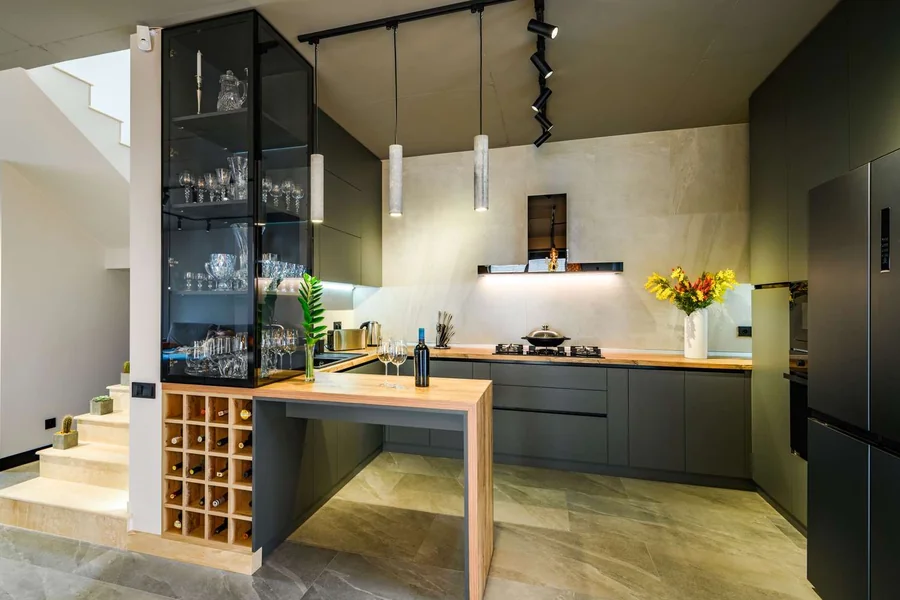
Designing A Home Bar Guests Remember
Ask people where everyone ends up at a house party and most will give the same answer: the kitchen. No matter how nice the living room is, guests drift toward the counter, the snacks and whoever is pouring drinks. Hosts have noticed, and many are now planning their homes around that habit instead of fighting it.
The result is a growing interest in dedicated places to gather and serve, whether that’s a full home bar in a basement, a kitchen island that doubles as a buffet, or a compact counter tucked into an apartment. Done well, these pieces become the heart of the home on busy evenings and a useful workspace the rest of the week.
Why A Gathering Point Matters
Open-plan homes promised more togetherness, but they often left people unsure where to stand. A large, empty room doesn’t invite conversation. A counter does. It gives guests somewhere to set down a glass, lean in and talk, and it gives the host a natural home base.
There’s a practical side too. Keeping drinks, glassware and serving gear in one spot means fewer trips across the house and less clutter on the dining table. When everything has a place, hosting feels calmer.
Bar Or Island: Choosing The Right Piece
The first decision is what the space actually needs to do.
A home bar is built for entertaining. It works best where people relax, such as a basement, den, game room or cabin great room. The most useful designs combine a generous countertop with plenty of storage for bottles, glassware and accessories, so the setup stays tidy between gatherings.
A kitchen island is more versatile. In larger kitchens, it can handle meal prep during the day, then turn into a serving station or a casual dining spot at night. Adjustable shelves help it adapt as needs change, from mixing bowls one month to platters and wine glasses the next.
A compact island suits smaller homes. Apartments, lofts, studios and secondary kitchens rarely have room for a full bar, but a smaller island adds storage and workspace without crowding the floor. For people downsizing from a larger house, it’s a way to keep a spot for hosting without giving up precious square footage.
Why Solid Wood Works Here
Bars and islands take a beating. They hold heavy bottles, hot dishes and the occasional spilled drink, and people lean on them constantly. Flimsy materials show wear quickly, and wobbly furniture is the last thing anyone wants next to a tray of full glasses.
Solid wood handles that daily use well. Pieces built from hand-selected logs and timber feel heavy and stable underfoot, and their surfaces can be refinished if they get scratched over the years. Natural wood also brings warmth that stone and steel lack. Knots, grain patterns and textures mean no two pieces look quite the same, which gives the room real character.
Aspen and hickory are common choices. Aspen tends to be lighter in tone with visible knots, while hickory offers strength and bold grain. Fronts can be finished flat for a cleaner look or built from exposed logs for a more traditional cabin feel.
Fitting Rustic Style Into Any Home
Log furniture is closely tied to mountain cabins and lodges, and it suits those settings perfectly. But it works in city homes too, as long as it’s balanced with the rest of the space.
In a modern kitchen, a single wooden island can act as the warm centerpiece among sleek cabinets and pale walls. In a basement or den, a rustic bar with exposed log details can set the tone for the whole room, especially when paired with leather stools, warm lighting and a few framed photos. Flat-front designs blend more easily into contemporary rooms, while log-front styles make a stronger statement.
The key is restraint. One strong wooden piece usually looks better than a room full of them.
Planning Before You Buy
A bar or island is a long-term addition, so a little planning prevents regret later.
Measure the space. Leave enough room for people to walk around comfortably, even with stools pulled out.
Think about seating. Decide whether guests will sit at the counter, stand around it, or both.
Plan the storage. Count what needs a home: bottles, glasses, serving boards, linens, small appliances.
Consider lighting. Pendant lights above an island or warm lamps near a bar make the area feel inviting after dark.
Allow time. Handcrafted furniture is often built to order, which can mean waiting several weeks for construction and delivery.
Check customization. Some pieces can be adjusted in size, wood type or front style to fit the room better.
Setting It Up For Easy Hosting
Once the piece is in place, a few small choices make it far more useful:
Keep everyday glasses within easy reach and save fragile ones for higher shelves.
Store bottle openers, napkins and coasters in one drawer or basket.
Leave part of the countertop clear for serving.
Add a small tray to corral bottles and keep the surface tidy.
Place a trash bin and a towel nearby for quick cleanups.
Rotate a few decorative items seasonally so the space feels fresh.
A Space People Come Back To
The best homes for entertaining aren’t necessarily the biggest. They’re the ones with an obvious place for people to gather. A sturdy bar or island gives guests a reason to linger and gives hosts a practical center for the evening.
Built from solid wood and chosen to fit the room, it can serve as a prep station on weeknights, a buffet on holidays and a meeting point for friends for many years. Long after the party ends, it’s often the spot people remember most.


