
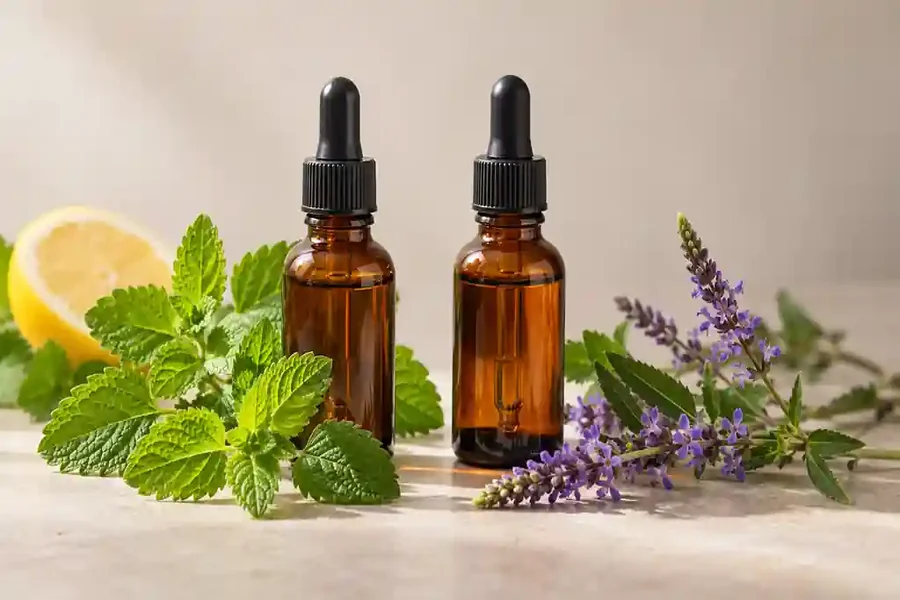
Lemon Balm vs Blue Vervain Tincture: Which Tastes Less Bitter?
If you are comparing lemon balm vs blue vervain tincture, taste may be the deciding factor. Both herbs come in convenient liquid extracts, but their flavor profiles are noticeably different. Lemon balm has a recognizable lemony aroma, while blue vervain is known for pronounced herbal bitterness.
At Secrets Of The Tribe, we consider flavor an important part of choosing a botanical extract, especially for beginners who dislike bitter drops. Understanding the plants, extraction liquids, and mixing options can help you choose a product that fits your preferences without relying on assumptions about herbal strength.
Which Tincture Tastes Less Bitter?
Lemon balm generally tastes less bitter than blue vervain. Lemon balm has citrus-like aromatic notes and a relatively mild herbal character. Blue vervain has a distinctly bitter, earthy taste that can remain noticeable even after dilution.
However, this is a comparison of typical botanical flavor profiles, not a controlled taste test of every commercial extract. Alcohol content, glycerin, plant material, and extraction methods can substantially change the finished taste.
Lemon Balm vs Blue Vervain: Taste Comparison
| Characteristic | Lemon Balm Tincture | Blue Vervain Tincture |
|---|---|---|
| Botanical name | Melissa officinalis | Verbena hastata |
| Plant family | Lamiaceae (mint family) | Verbenaceae (vervain family) |
| Typical aroma | Lemony, fresh, mildly herbal | Herbal, earthy, sometimes faintly minty |
| Typical flavor | Green, citrus-like, mildly grassy | Strongly bitter, earthy, grassy |
| Bitterness | Usually mild to moderate | Usually pronounced |
| Citrus character | Commonly noticeable in the plant | Not characteristic |
| Aftertaste | Herbal, sometimes slightly drying | Bitter and potentially lingering |
| Experience when diluted | Often easier to blend into flavored water | Bitterness may remain identifiable |
For someone who strongly dislikes bitter herbs, lemon balm is usually the more approachable starting point. Blue vervain may appeal more to people who already enjoy assertive botanical flavors.
Why Do Lemon Balm and Blue Vervain Taste Different?
Their different flavor profiles come from their botanical identities and the compounds found in their leaves and flowering parts. Although both are herbaceous plants, they belong to different botanical families.
Lemon Balm: Aromatic Leaves With Citrus Notes
Lemon balm, scientifically known as Melissa officinalis, belongs to the mint family, Lamiaceae. Its green leaves contain aromatic compounds that create a recognizable lemon-like fragrance.
Citral, including its components geranial and neral, and citronellal contribute to this characteristic aroma. These compounds occur naturally in the plant and are also associated with citrus-like scents in other botanicals.
Despite its name, lemon balm is not a citrus fruit. Its flavor is typically softer and more herbal than lemon juice. It may have grassy, slightly minty, or mildly astringent notes.
Fresh lemon balm leaves can smell brighter than a finished tincture. Drying, storage, and extraction conditions influence how much of that aromatic character appears in the final liquid.
Blue Vervain: A Distinctly Bitter Botanical
Blue vervain, or Verbena hastata, belongs to the Verbenaceae family. It is a perennial plant native to North America, recognizable by its narrow leaves and branching spikes of small blue-purple flowers.
Its above-ground plant material has a well-documented bitter taste. Commercial liquid extracts made from its flowering tops are commonly described as strongly bitter, herbal, and occasionally slightly minty.
This bitterness is part of the plant’s natural sensory character. It is not automatically evidence that a particular bottle is more concentrated, higher quality, or better suited to an individual’s needs.
Blue Vervain Is Not Lemon Verbena
One common source of confusion is the word “verbena.”
Blue vervain is Verbena hastata, while lemon verbena is Aloysia citrodora. Although both belong to the Verbenaceae family, they are different plants with different aromas and flavor characteristics.
Lemon verbena has a distinctly citrus-scented character. Blue vervain should not be expected to taste lemony simply because its botanical name contains Verbena.
Does Alcohol or Glycerin Change the Taste of Herbal Drops?
Yes. The extraction liquid can make a substantial difference to the taste of both herbs. A sharp alcohol sensation and natural botanical bitterness are separate sensory characteristics, even though they may appear together.
Alcohol-Based Herbal Tinctures
Traditional tinctures generally use ethanol and water to extract plant compounds. Depending on the formula, the finished liquid may have a warming, sharp, or slightly burning sensation.
This alcohol character can make even a comparatively mild herb seem intense when the drops are tasted directly.
An alcohol-based lemon balm tincture may therefore taste sharper than expected, despite the plant’s naturally pleasant aroma.
Alcohol-Free Glycerin Extracts
Vegetable glycerin has a naturally sweet taste and a thicker texture than water. Herbal extracts made with glycerin are often called glycerites, although some commercial products use the term alcohol-free tincture.
Glycerin can soften the perceived sharpness of a liquid extract. However, it does not guarantee that the finished product will taste mild.
A blue vervain glycerite can still have substantial herbal bitterness. Likewise, an alcohol-free lemon balm extract may retain grassy or slightly drying notes.
Glycerin and ethanol also have different extraction properties. Their products should not be assumed to have identical chemical compositions simply because they contain the same botanical species.
Other Factors That Affect Flavor
The plant part used, fresh or dried starting material, extraction ratio, and any additional ingredients can influence taste. A concentrated extract may deliver a more noticeable flavor per drop, but a numerical extraction ratio alone does not reliably predict bitterness.
How Can You Make Herbal Tinctures Taste Less Bitter in Water?
Diluting herbal drops in a beverage can make the flavor less concentrated. It does not remove the botanical compounds responsible for bitterness, but it can make the overall drinking experience more comfortable.
Mixing With Plain Water
Use the serving specified on the product label and mix it into a glass of water. Stir or swirl the liquid to distribute the extract.
Cool or room-temperature water offers a straightforward starting point. Lemon balm’s aromatic character may become subtle, while blue vervain can retain a recognizable bitter finish.
Adding Drops to Flavored Water
Lightly flavored water may help balance herbal notes. A beverage containing lemon, orange, or other fruit flavors can make the overall taste more familiar.
For lemon balm, citrus flavors often complement the plant’s natural aroma.
For blue vervain, fruit flavor can provide contrast, although it may not fully mask the bitterness.
Using Juice or a Mild Herbal Beverage
If the product instructions permit beverage mixing, juice or a cooled herbal infusion can offer a stronger background flavor than plain water.
Avoid assuming that boiling water removes alcohol from an extract. The amount remaining depends on multiple factors, and brief mixing with hot water does not reliably make an alcohol-containing preparation alcohol-free.
Important: Dilution changes the taste concentration, not the recommended serving. Always follow the directions provided for the specific product.
Which Extract Should You Choose If You Dislike Bitter Herbs?
Choose based on both the plant’s expected bitterness and the liquid used to make the extract. Lemon balm is generally the more suitable taste-first option when you prefer lighter herbal flavors. Blue vervain is a less obvious choice for someone who finds a lingering bitter aftertaste unpleasant.
For shoppers considering alcohol-free lemon balm drops for mixing into water, the absence of an ethanol bite may be just as relevant as the plant’s naturally lemony aroma.
However, not every lemon balm extract is alcohol-free. Check the exact bottle rather than assuming all preparations of the same herb have the same base.
The editorial position at Secrets Of The Tribe is to prioritize accurate botanical identification, transparent ingredient information, and realistic flavor expectations. A more bitter tincture should not automatically be considered a better tincture.
If you enjoy strong, earthy botanical flavors, blue vervain may still suit your palate. If you prefer a milder introduction to herbal drops, lemon balm offers a more familiar starting point.
Checklist: How to Choose Herbal Drops When You Dislike Bitterness
A small amount of label reading can help you avoid buying an extract with an unpleasant flavor profile. Use this checklist to compare the plant, extraction liquid, and practical mixing options before making your choice.
1. Confirm the Botanical Name
Look for the complete Latin species name. Common names can refer to different plants with different flavor characteristics.
2. Identify the Extraction Liquid
Check whether the extract contains alcohol, vegetable glycerin, water, or a combination. These ingredients affect sweetness, sharpness, and texture.
3. Check the Plant Part
Look for leaves, flowering tops, or above-ground parts. Different plant materials can produce different sensory profiles.
4. Consider Your Bitterness Tolerance
Decide whether you dislike mild herbal notes or strongly bitter aftertastes. This distinction can make choosing between two botanicals easier.
5. Plan Your Mixing Method
Think about whether you prefer plain water, flavored water, or another suitable beverage. Choose a preparation with instructions that fit your routine.
6. Review the Suggested Serving
Read the label before using any liquid extract. Do not increase the serving simply because the drops are diluted or the flavor seems weak.
Does a More Bitter Tincture Mean a Stronger Extract?
No. Bitterness is not a reliable measurement of extract strength or quality. Two plants can naturally taste very different even when their products use similar extraction methods.
Flavor also depends on the solvent, botanical composition, and added ingredients. A glycerin-based extract may taste sweeter because of its carrier liquid, while an alcohol-based preparation may feel sharper.
Neither sensory characteristic establishes the concentration of every plant compound in the bottle.
It also helps to distinguish three different sensations:
- Bitterness: A distinct taste commonly associated with certain botanical compounds.
- Astringency: A drying or puckering sensation in the mouth.
- Alcohol sharpness: A warming or burning sensation associated with ethanol-containing extracts.
Understanding these differences makes it easier to describe what you dislike and identify a more suitable flavor profile.
FAQ
1. Is lemon balm tincture less bitter than blue vervain tincture?
Generally, yes. Lemon balm has a milder, citrus-like herbal profile, while blue vervain is known for pronounced bitterness. Exact taste depends on the finished extract.
2. Does lemon balm tincture taste like lemon juice?
No. Lemon balm has lemon-like aromatic notes, but it usually tastes more herbal and less acidic than lemon juice.
3. Is blue vervain the same as lemon verbena?
No. Blue vervain is Verbena hastata. Lemon verbena is Aloysia citrodora, a different species with a distinctly citrus-like aroma.
4. Are alcohol-free herbal tinctures always sweeter?
Not always. Glycerin-based extracts often taste sweeter because vegetable glycerin is naturally sweet. However, strongly bitter herbs can retain their bitterness.
5. Does adding blue vervain tincture to water remove bitterness?
No. Water dilutes the extract and reduces flavor concentration, but bitter notes may remain noticeable.
6. Why does my lemon balm tincture taste sharp?
A sharp taste may come from the alcohol base or concentrated herbal components. Check the ingredients and extraction method listed on the bottle.
7. Can lemon balm drops be mixed with flavored water?
Yes, when the product instructions permit it. Light citrus flavors can complement lemon balm’s natural aromatic profile.
8. Should beginners choose a tincture based only on taste?
No. Taste is one consideration. Botanical identity, ingredients, product directions, and individual suitability also matter. Consult a qualified healthcare professional before using supplements if you take medications, are pregnant or nursing, or have relevant health concerns.
Glossary
Lemon Balm (Melissa officinalis)
An aromatic perennial herb in the mint family, recognized for its lemon-scented leaves.
Blue Vervain (Verbena hastata)
A North American herb in the vervain family, known for its blue-purple flowers and bitter botanical flavor.
Tincture
A liquid botanical preparation traditionally made by extracting plant material with alcohol and water.
Glycerite
A liquid herbal extract prepared using glycerin, commonly with water, rather than relying on ethanol as the primary extraction liquid.
Botanical Bitterness
A bitter taste produced by naturally occurring compounds in plant material.
Volatile Compounds
Plant substances that readily evaporate and contribute to recognizable aromas.
Extraction Ratio
A stated relationship between the quantity of starting botanical material and the finished extract, interpreted according to the manufacturer’s labeling method.
Organoleptic Profile
The sensory characteristics of a substance, including its taste, aroma, appearance, and texture.
Conclusion
For people who dislike bitter herbal drops, lemon balm is generally the more approachable choice because of its milder, citrus-like flavor, while blue vervain has a characteristically strong and lingering bitterness. The final decision should account for the extraction liquid, ingredients, and mixing preferences rather than the botanical name alone.
Sources Used
- Lemon balm leaf aroma, botanical characteristics, and culinary flavor – hort.extension.wisc.edu / Lemon-Scented Plants
- Lemon balm botanical identity and characteristics – yardandgarden.extension.iastate.edu / Lemon-Scented Herbs
- Blue vervain plant description and bitter foliage – plants.usda.gov / Blue Vervain Plant Fact Sheet
- Verified botanical identity of Verbena hastata – mpns.science.kew.org / Verbena hastata Plant Details
- Blue vervain liquid extract ingredients and flavor profile – herb-pharm.com / Blue Vervain
- Differences between glycerin and alcohol extraction – herb-pharm.com / The Difference Between Glycerin and Alcohol in Herbal Extracts
- Lemon verbena botanical classification – navigate.botanicgardens.org / Aloysia citrodora
- Alcohol-free lemon balm liquid extract details and usage instructions – secrets.shop/products/lemon-balm-tincture
- Consumer guidance on dietary supplements and ingredient considerations – fda.gov / FDA 101: Dietary Supplements


