
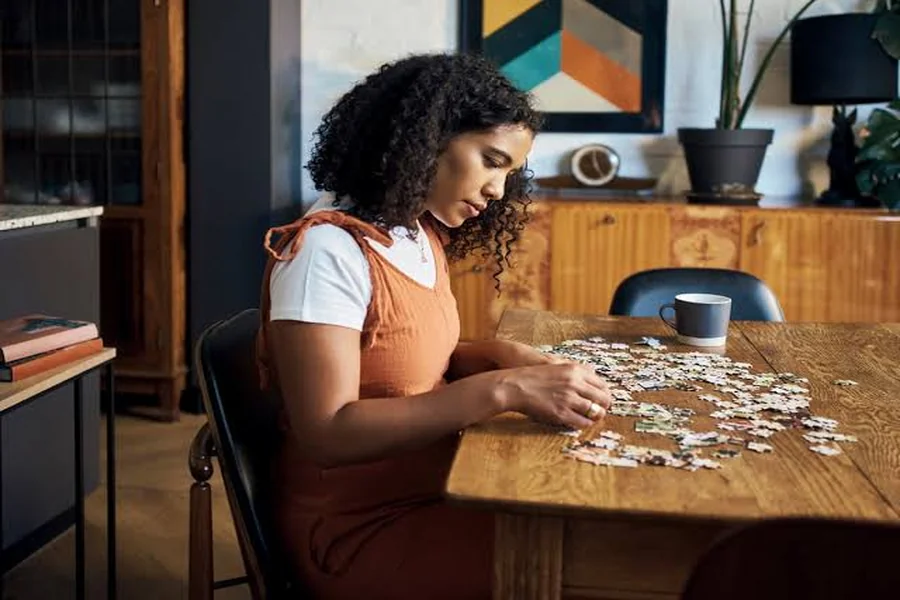
A Simple Screen-Free Puzzle Routine for Better Focus
Key Takeaways
- Brief puzzle sessions can add a calm, purposeful pause to a busy day.
- Different puzzle formats invite different skills, including word recall, visual scanning, logic, and pattern recognition.
- A routine that takes 10 to 15 minutes is often easier to sustain than an ambitious daily challenge.
- Puzzles work best alongside healthy basics such as sleep, movement, social time, and rest.
- Keeping a screen-free activity within reach can make it easier to step away from alerts and scrolling.
It can be difficult to find a quiet activity that fits between work, errands, meals, and family responsibilities. A paper puzzle offers a low-pressure way to pause without needing another app, tab, or notification. A puzzle books publisher can provide a range of formats, making it easier to find an option that feels inviting rather than demanding.
The goal is not to turn every spare minute into a productivity project. A simple puzzle routine can be a small transition point in the day, such as replacing 10 minutes of phone scrolling at the kitchen table with a crossword, number grid, or word search.
Why Puzzles Fit Modern Routines
Unlike hobbies that require travel, equipment, or a large block of free time, puzzles are easy to begin and easy to pause. You can complete one clue, scan for a few words, or work through part of a logic problem, then return later. That flexibility makes them useful for short breaks after breakfast, during a commute on public transit, or before settling in for the evening.
A puzzle also creates a clear finish line. Even when the whole page is not complete, one filled square or solved clue offers a small sense of progress. For many people, that is more satisfying than opening a feed designed to continue indefinitely.
What Research Says About Games And Attention
Puzzles commonly involve attention, decision-making, memory, and pattern recognition. That does not mean a daily crossword is a medical treatment or a guarantee of better cognitive health. Still, research can use game-like tasks to examine these abilities. For example, quizzes and puzzles can help researchers measure attention and decision-making in structured settings.
The practical takeaway is modest: choose puzzles because they are enjoyable and mentally engaging. Keep the bigger picture in view by getting enough sleep, moving regularly, spending time with others, and taking breaks from sitting.
How To Choose The Right Puzzle
The best puzzle is one you are genuinely willing to open again tomorrow. Different formats offer different kinds of challenges:
- Crossword-style puzzles: Useful for word recall, vocabulary, and general knowledge.
- Sudoku and number puzzles: Centered on sequencing, patterns, and logical deduction.
- Word searches: Built around visual scanning and letter recognition.
- Logic puzzles: Encourage comparisons, planning, and step-by-step reasoning.
- Picture and matching puzzles: Invite close visual attention and patience.
- Trivia puzzles: Can spark curiosity while drawing on what you already know.
Choose a difficulty level that feels pleasantly challenging, not punishing. If you are stuck on nearly every clue, switch to an easier book or use a simpler format for a while. A routine lasts longer when it includes regular moments of success.
How To Build A Simple Puzzle Routine
- Pick one dependable time. Try after breakfast, during lunch, or before dinner.
- Start small. Set aside 10 to 15 minutes rather than committing to an hour.
- Keep supplies visible. Put a pencil, reading glasses, and puzzle book in the same easy-to-reach place.
- Reduce interruptions. Silence alerts or leave the phone outside the immediate area.
- Stop while it is still enjoyable. Ending with some energy left makes it easier to return.
Consistency matters more than intensity. Missing a day is not a failure. Simply resume at the next convenient time instead of trying to make up for it with an exhausting session.
A Sample Weekly Plan
- Monday: Complete a short word puzzle to ease into the week.
- Tuesday: Try a number grid or a logic challenge.
- Wednesday: Choose a lighter visual puzzle, such as a word search.
- Thursday: Work on trivia or vocabulary clues.
- Friday: Spend time with your favorite format and skip the timer.
- Saturday: Share a puzzle with a friend or family member.
- Sunday: Have a relaxed session, then notice which activities felt most enjoyable.
If a daily plan begins to feel like homework, reduce it to three sessions a week. A flexible routine is more useful than a perfect schedule that you stop following.
Ways To Make Puzzles More Social
Puzzles do not have to be solitary. Leave a book on the coffee table during a family visit, trade favorite formats with friends, or work on the same clue page with someone over lunch. Children can also benefit from being asked how they approached a puzzle, rather than being judged only on whether they found the answer.
Shared solving often creates natural conversation. People may remember a fact, spot a pattern, or use a different strategy, which makes the activity feel collaborative instead of competitive.
Common Mistakes To Avoid
- Making sessions too long: A small hobby should not feel like another obligation.
- Choosing only difficult puzzles: Constant frustration can weaken motivation.
- Watching the clock: Speed is not the only measure of enjoyment or progress.
- Using puzzles to avoid rest: Mental activity is not a substitute for adequate sleep.
- Expecting guaranteed health outcomes: No single pastime replaces a well-rounded approach to health.
When To Adjust The Plan
Change formats when boredom appears. Shorten sessions during demanding weeks, and improve the setup if the activity feels physically uncomfortable. Larger print, better lighting, a supportive chair, or a different pencil can make a bigger difference than pushing through frustration. Pause if you experience eye strain, pain, or persistent distress. Serious concerns about memory or concentration deserve guidance from a qualified health professional.
Screen-Free Habits That Support The Routine
A puzzle routine fits naturally alongside other low-tech pauses, such as reading, journaling, gentle stretching, or a brief walk. Keep materials in a dedicated basket or drawer so that beginning takes almost no effort. Instead of trying to eliminate every screen, set a gentle boundary around a few moments of the day, such as meals or the first minutes after waking.
Broader efforts to balance device use can also emphasize replacing passive time with active or shared activities, as described in guidance on creating healthier relationships with digital devices. The most realistic plan is usually one that leaves room for technology while protecting a few intentional breaks from it.
Keep The Habit Light And Useful
A screen-free puzzle routine does not need to be intense, competitive, or expensive. Choose a format you like, keep it within reach, and give yourself a few focused minutes when the day feels noisy. The purpose is simple: pause, think, and enjoy the process enough to come back again.


