

What Is the Dumbest Animal? Exploring Intelligence, Instincts, and Survival in the Animal Kingdom
When people talk about the “dumbest” animals, they often mean creatures that don’t seem to learn quickly or that make choices we humans wouldn’t make. However, calling any animal “dumb” is more complicated than it sounds. Every species on Earth is equipped with adaptations that have evolved over millions of years to help them survive. Even animals we might dismiss as slow or dim-witted often have special skills that we overlook.
In this article, we’ll explore some animals often labeled as “dumb,” look at what intelligence really means in the animal world, and discover that so-called “dumb” animals may be clever in their own unique ways.
What Do We Mean by “Dumb”?
Before pointing fingers at any particular species, let’s ask: What exactly is “dumb,” especially when we’re talking about animals? Humans usually judge intelligence by qualities like problem-solving, the ability to plan for the future, communication skills, or even emotional sensitivity. But these standards come from our own way of thinking.
Animals don’t need to pass an IQ test or do arithmetic to succeed. A pigeon doesn’t need math; it needs sharp eyesight and perfect navigation. A jellyfish doesn’t need deep thought; it just needs the instincts that allow it to hunt and reproduce. From this perspective, every animal is “smart” in its environment.
Still, some species seem to act in ways that look silly or clumsy to us — and that’s what we often call dumb.
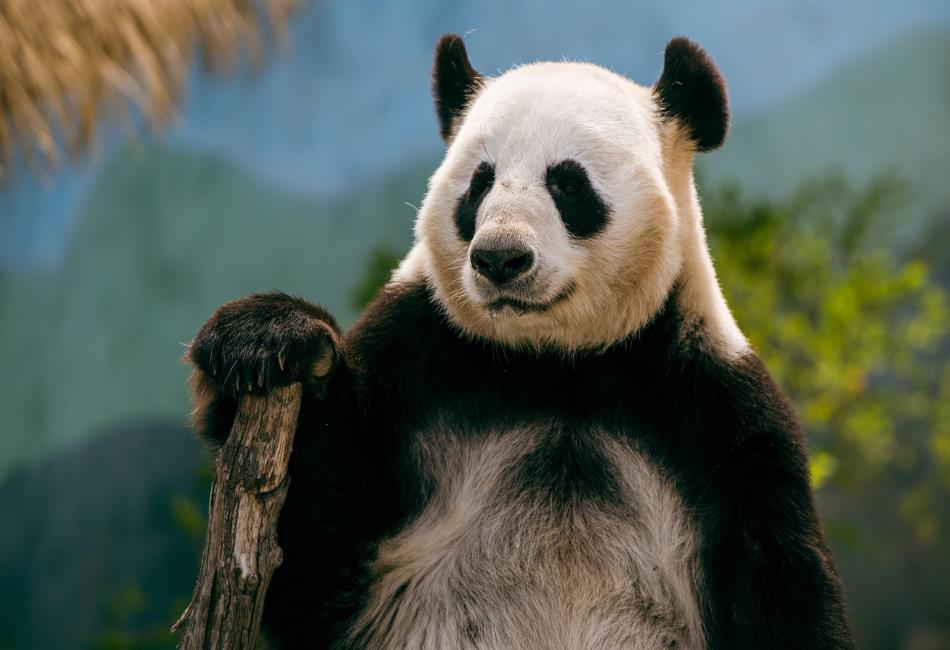
The Sloth: Slow and Sleepy
When people talk about the dumbest animals, sloths often come up. These slow-moving mammals spend most of their time hanging upside down in trees, sleeping for up to 20 hours a day. They sometimes mistake their own arms for branches, leading to potentially dangerous falls!
Yet sloths have survived for millions of years by being slow and energy-efficient. Moving slowly actually keeps them hidden from predators like jaguars and eagles. They also grow algae in their fur — an adaptation that camouflages them and provides some nutrition. So, while sloths might look clueless, their strange lifestyle is perfectly adapted to their forest home.
The Turkey: Getting a Bad Reputation
Turkeys are also commonly labeled as dumb animals. Some people believe turkeys will look up into the rain until they drown — an exaggerated myth that persists as a joke about their intelligence.
In reality, turkeys are cautious birds. They live in flocks for safety and use a complex system of vocalizations to communicate with each other. Wild turkeys can recognize one another, navigate across forested landscapes, and teach their young about food sources. Domesticated turkeys may have lost some of these sharper instincts due to selective breeding, but wild turkeys are much more clever than they get credit for.
The Koala: Cute But Confused
Koalas also often make the list of “least intelligent” animals. These fuzzy Australian marsupials sleep up to 22 hours a day and eat eucalyptus leaves almost exclusively — a food so toxic and low in nutrition that it requires a highly specialized gut to process. Koalas are sometimes so adapted to their particular diet that if you put eucalyptus leaves on a flat plate, they won’t recognize them as food.
Although they may seem lacking in problem-solving skills, koalas have thrived in their niche for tens of thousands of years. They can climb trees with incredible skill, communicate through deep bellows during mating season, and have a pouch to protect their babies — adaptations that matter more than clever tricks.
The Kakapo: A Flightless Parrot
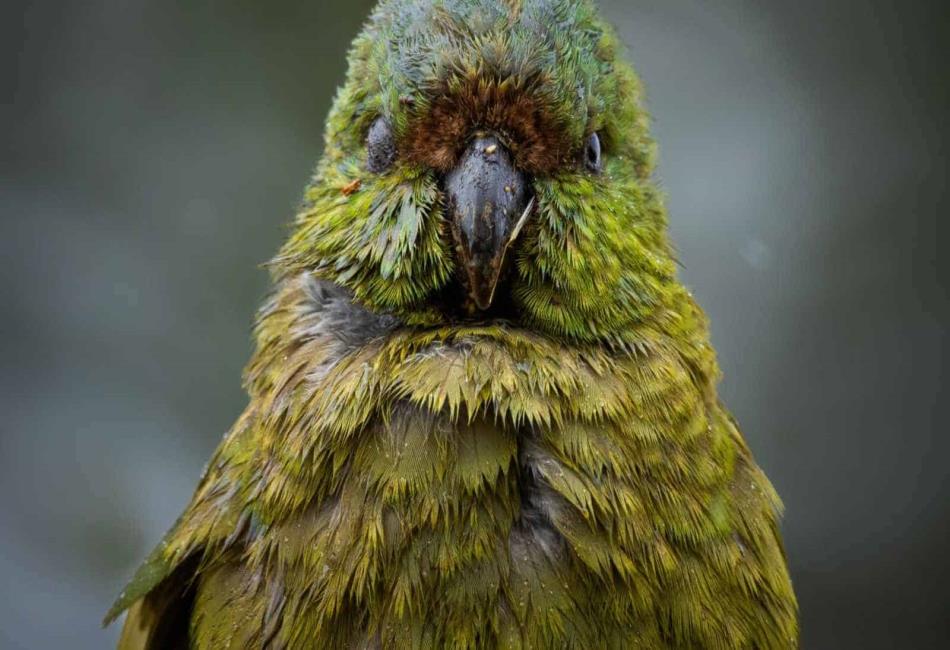
The kakapo is a large, flightless parrot that lives in New Zealand. Known for its trusting and overly friendly behavior, it has been nicknamed one of the most “clueless” animals in the world. Kakapos have almost no fear of predators and nest on the ground — which made them easy prey for introduced species like cats and rats.
But the kakapo evolved in a place with no mammalian predators, so its lack of flight or fear was never a disadvantage. Conservation efforts now protect this rare and gentle bird, proving that humans can appreciate and preserve animals, even if they don’t fit our idea of intelligence.
Intelligence Depends on the Environment
When we call an animal dumb, what we’re really pointing to is a mismatch between its instincts and its environment — often an environment changed by humans. The kakapo’s lack of fear was fine until people introduced predators. The turkey that drowns in rain is a silly myth that forgets these birds survived fine on their own. The sloth looks clumsy to us, but in its treetop world, it moves with just the right amount of speed to stay safe.
Every species that’s alive today is the product of long, careful adaptation to its surroundings. Even the slowest or most “stupid-seeming” animals often have finely tuned bodies and behaviors that help them find food, reproduce, and stay alive.
Redefining Animal “Intelligence”
Scientists now understand that animals show different kinds of intelligence. Some, like dolphins and chimpanzees, can recognize themselves in a mirror or learn to use tools. Others, like crows and octopuses, can solve puzzles and escape from enclosures. Even animals that don’t do these tricks still navigate complex worlds — they just do it in ways we may not appreciate at first.
Evolution doesn’t care whether animals look smart to us. What matters is whether their habits and bodies suit their niche. Ants build incredible cities underground. Sea turtles navigate across entire oceans. Sloths grow algae on their bodies and disappear into the forest. Even jellyfish, with no brains at all, have survived for millions of years with simple, effective reflexes.
What Can We Learn?
Instead of looking for the “dumbest” animals, we can look at what each species excels at. Every creature alive has passed the most important test of all — surviving on this planet. Even if a turkey looks clumsy or a sloth appears slow, they have survived countless generations by adapting to their surroundings.
So, what is the dumbest animal? The real answer is that there probably isn’t one. Every animal is an expert at its own style of living. The more we look, the more we appreciate the diverse kinds of intelligence that exist all around us.
Conclusion
When you take a closer look at animals often called “dumb,” you discover they have unique talents that fit their worlds perfectly. Whether it’s the energy-saving habits of a sloth, the cautious behavior of a turkey, or the specialized diet of a koala, every species is a product of careful evolutionary fine-tuning. Maybe the dumbest thing we can do is to judge animals too quickly — because their true brilliance is often just beneath the surface.
What is considered the “dumbest” animal?
Animals like sloths, turkeys, and koalas often get labeled as “dumb” due to their slow behavior or simple habits, but this label overlooks their unique adaptations that help them survive.
Why do some animals seem less intelligent?
Some animals may seem less intelligent because they don’t behave in ways we recognize as clever, like problem-solving or using tools. However, they excel at surviving in their natural environments.
What does intelligence mean in the animal kingdom?
Animal intelligence is measured by different skills such as communication, navigation, social behavior, hunting, and adaptation to surroundings — all of which contribute to their survival.
Are “dumb” animals less successful in nature?
No. Even animals seen as “dumb,” like sloths or turkeys, have survived for millions of years. They have adaptations that fit perfectly into their ecosystem and help them thrive.
Can animals be smart in different ways?
Yes! Intelligence varies greatly across species. Some animals excel at flying long distances, some are amazing nest builders, and others survive by conserving energy. Every species is “smart” in its own way.
Why is it unfair to call an animal dumb?
Calling an animal dumb overlooks its specialized adaptations and evolutionary history. Every species alive today is successful in its own way, which proves its intelligence in surviving over time.


