Understanding Commercial Pavement Solutions and Sustainable Surface Options
Commercial property owners face constant decisions about maintaining and upgrading their paved surfaces. From parking lots to walkways, these surfaces endure significant wear from traffic, weather conditions, and time. The choices made today affect not only the immediate appearance and functionality of a property but also its long-term maintenance costs and environmental footprint. Understanding the range of available pavement solutions helps property managers make informed decisions that balance durability, aesthetics, and sustainability.
The Foundation of Commercial Pavement Maintenance
Pavement maintenance represents one of the most significant ongoing expenses for commercial properties. Without proper care, asphalt surfaces deteriorate rapidly, leading to cracks, potholes, and structural failures that require costly repairs. Regular maintenance programs extend pavement lifespan considerably while maintaining the professional appearance that businesses require. Property owners who invest in preventive maintenance typically see returns through reduced replacement costs and improved property values.
One of the most effective preventive measures involves protective coating applications. Commercial asphalt sealcoating creates a barrier against oxidation, water penetration, and chemical damage that would otherwise degrade the pavement structure. This process not only protects the underlying asphalt but also restores the deep black appearance that signals a well-maintained property. For businesses where curb appeal directly impacts customer perceptions, this visual restoration carries significant value beyond the technical benefits.
Timing and Frequency Considerations
The timing of maintenance applications matters substantially. New asphalt requires a curing period before coating applications, typically ranging from several months to a year depending on climate and usage patterns. Once established, regular reapplication schedules depend on traffic volume, climate conditions, and exposure to harmful substances like gasoline or oil. High-traffic commercial areas may require attention every two to three years, while lighter-use areas can extend between applications.
Modern Aesthetic Alternatives for Property Enhancement
While traditional asphalt serves functional purposes effectively, many property owners seek surfaces that combine durability with enhanced visual appeal. Decorative concrete options have expanded significantly, offering patterns and colors that transform ordinary driveways and walkways into design features. These solutions work particularly well for residential properties, commercial entrances, and hospitality venues where aesthetics drive value.
The evolution of decorative concrete techniques has introduced sophisticated color blending and pattern options. Property owners exploring stamped concrete driveway color combinations discover possibilities ranging from natural stone appearances to custom designs that complement architectural styles. These surfaces provide the structural benefits of concrete while delivering visual variety that standard pavement cannot match. The durability of properly installed decorative concrete rivals traditional options while offering uniqueness that standard gray concrete lacks.
Installation and Longevity Factors
Success with decorative concrete depends heavily on proper installation techniques. The substrate preparation, concrete mixture, stamping timing, and sealing process all contribute to long-term performance. Professional installation ensures that aesthetic features remain intact through freeze-thaw cycles and heavy use. Quality sealers protect colored surfaces from UV degradation and staining, maintaining appearance for years when reapplied according to manufacturer recommendations.
Environmental Considerations in Pavement Selection
Sustainability concerns increasingly influence pavement decisions for both commercial and residential properties. Traditional impermeable surfaces contribute to stormwater runoff problems, overwhelming municipal systems and carrying pollutants into waterways. Property owners concerned with environmental impact and regulatory compliance now consider permeable alternatives that allow water infiltration while maintaining structural integrity.
Permeable paving systems offer practical solutions for properties seeking green building certifications or simply reducing environmental impact. These surfaces use specially designed materials and installation techniques that permit water to pass through into underlying soil layers. Permeable paving options for sustainable construction have evolved to include porous asphalt, pervious concrete, and interlocking pavers with gap systems. Each option provides different benefits regarding load-bearing capacity, maintenance requirements, and infiltration rates.
Balancing Performance and Environmental Goals
Selecting permeable systems requires careful consideration of soil conditions, water table depth, and intended use. Areas with heavy vehicle traffic may need reinforced permeable systems, while pedestrian zones can use lighter-duty options. Maintenance differs from traditional pavement, typically requiring periodic vacuum sweeping to prevent pore clogging. Despite these considerations, the benefits of reduced runoff, groundwater recharge, and heat island mitigation make permeable systems attractive for environmentally conscious projects.
Professional Asphalt Coating Solutions
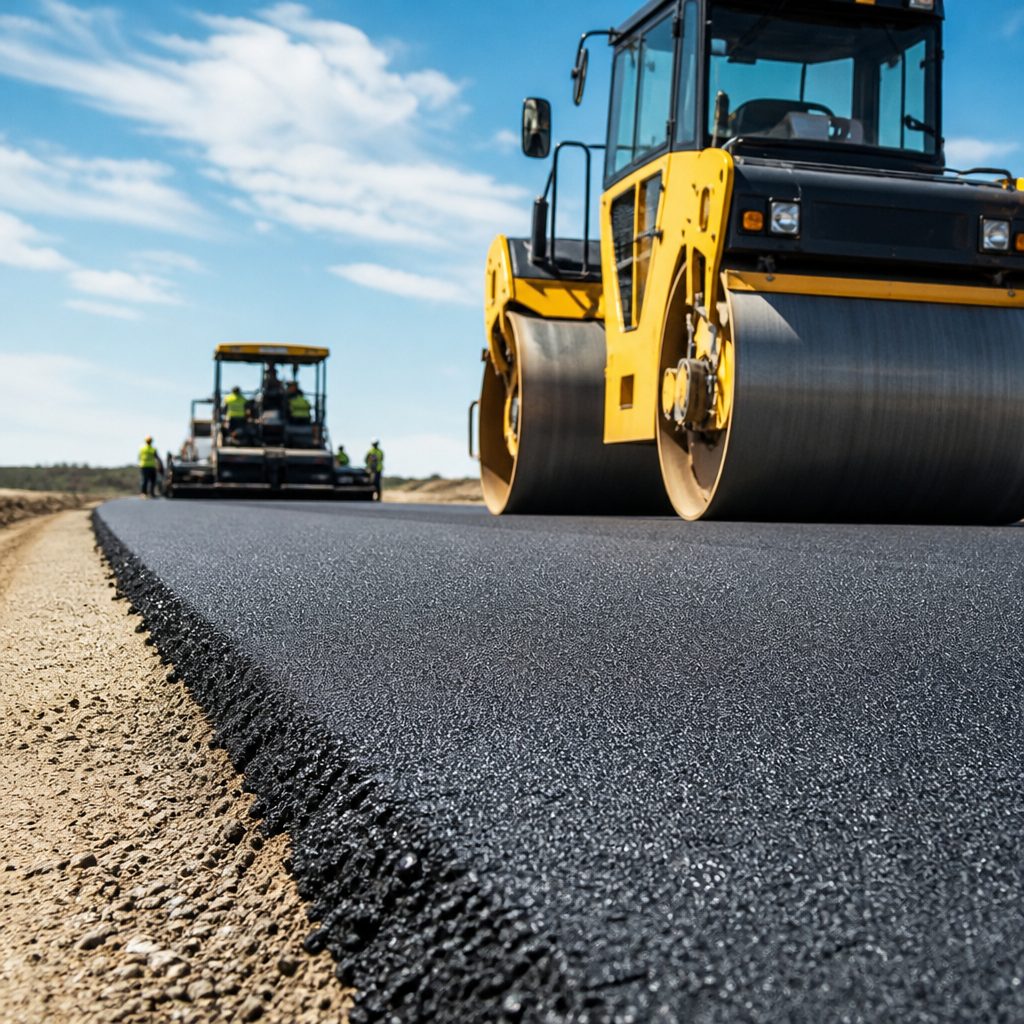
Specialized contractors bring expertise that ensures pavement maintenance delivers maximum value. Professional assessment identifies surface conditions that affect coating adhesion and longevity. Proper surface preparation removes debris, fills cracks, and creates the clean substrate necessary for coating bonds. Application technique, material selection, and curing conditions all require professional judgment based on specific site conditions.
Quality contractors use commercial-grade materials formulated for specific applications and climate zones. These products differ substantially from consumer-grade options in durability, coverage rates, and performance characteristics. Professional application equipment ensures uniform coverage and appropriate thickness, factors that directly affect protective performance and appearance. The investment in professional service typically pays returns through extended surface life and reduced need for repairs.
Making Informed Pavement Decisions
Property owners benefit from understanding the full range of pavement options and maintenance strategies. Each property presents unique requirements based on usage patterns, climate conditions, aesthetic goals, and budget constraints. Successful pavement management combines appropriate initial surface selection with consistent maintenance that preserves investment value. Whether prioritizing longevity, appearance, sustainability, or cost-effectiveness, informed decisions begin with understanding how different approaches serve specific needs.
The pavement industry continues evolving with new materials, techniques, and environmental considerations. Staying informed about developments helps property managers take advantage of improved options as they become available. Regular consultation with qualified contractors ensures that maintenance schedules adapt to changing conditions and that repairs address problems before they require extensive intervention. Proactive management consistently outperforms reactive approaches in both cost-effectiveness and property preservation.