
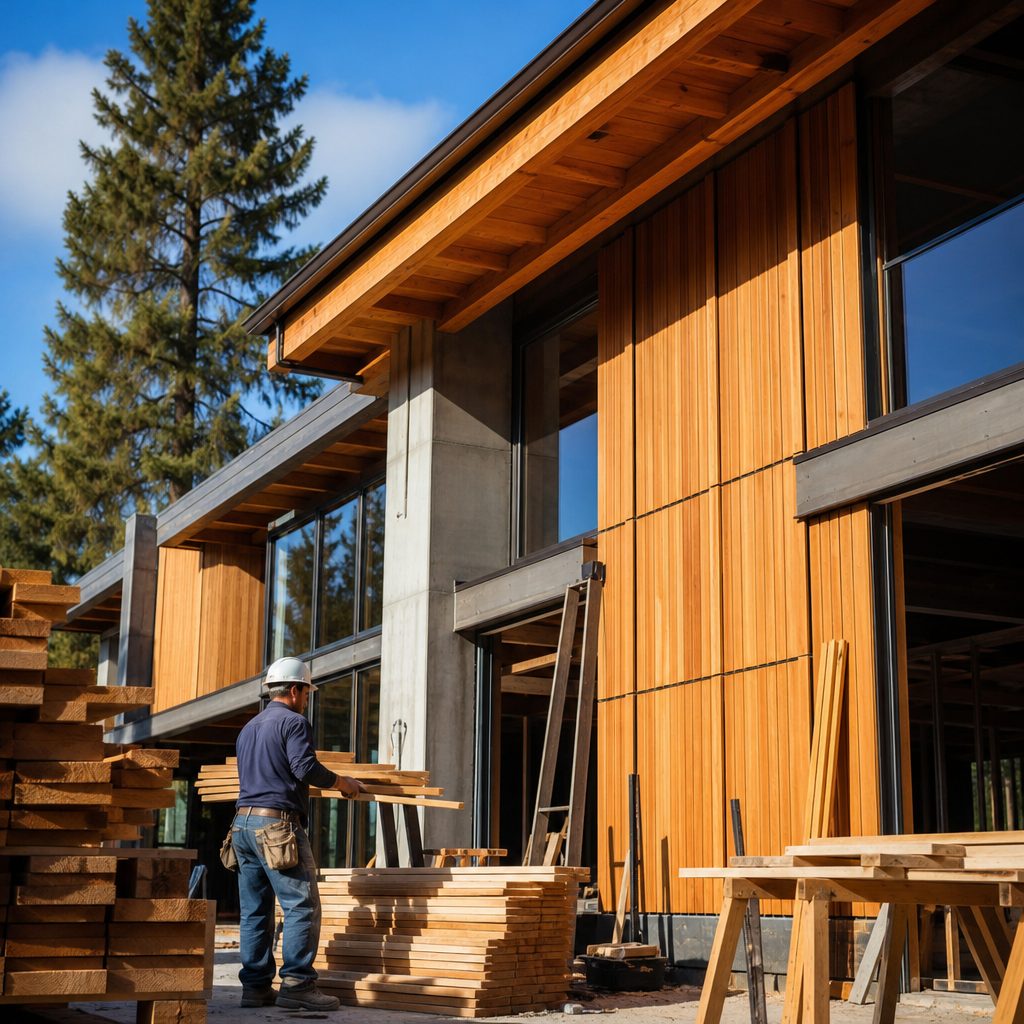
Cedar Lumber Applications in Contemporary Construction Projects
Cedar has earned its reputation as one of the most versatile and durable wood species in the construction industry. From residential decking to commercial facades, this naturally resilient material continues to prove its worth across diverse building applications. Understanding how cedar performs in various construction contexts helps builders, architects, and property owners make informed material selections that balance aesthetics, longevity, and environmental considerations.
The Natural Advantages of Cedar in Building
Cedar possesses inherent characteristics that set it apart from other softwoods and engineered materials. The wood contains natural oils and compounds that resist decay, insect damage, and moisture penetration. These properties make cedar particularly valuable for exterior applications where exposure to weather would rapidly degrade lesser materials. The dimensional stability of properly dried cedar means it shrinks and swells less than many alternatives, reducing warping and splitting over time.
The cellular structure of cedar also provides excellent insulation properties. The wood's low thermal conductivity helps regulate temperature transfer, making it a practical choice for siding and roofing applications where energy efficiency matters. Additionally, cedar's natural resistance to UV degradation means it weathers gracefully, developing a silver-gray patina that many designers find aesthetically appealing.
Structural Applications and Fastening Considerations
While cedar excels in finish work and exterior cladding, its role in structural applications requires careful consideration. The wood's relatively lower density compared to hardwoods means that proper fastening techniques become essential. Modern construction increasingly relies on specialized hardware that distributes loads effectively while accommodating the unique properties of softer woods. Understanding timber bolt applications in traditional and modern construction helps builders select appropriate connectors that maintain structural integrity without compromising the cedar's performance characteristics.
Deck and Outdoor Structure Construction
Cedar decking remains a popular choice for outdoor living spaces, pergolas, and garden structures. The wood's natural resistance to moisture and insects makes it particularly suitable for ground-level applications where contact with moisture is inevitable. When properly installed with adequate ventilation and drainage, cedar decking can last decades with minimal maintenance. The material accepts stains and sealers readily, allowing property owners to maintain the wood's natural color or enhance it with protective finishes.
For projects requiring premium cedar lumber, sourcing from established suppliers ensures consistent quality and proper grading. Liberty Cedar specializes in providing construction-grade cedar products that meet the demanding standards of professional builders and contractors. Selecting lumber from reliable sources eliminates concerns about moisture content, dimensional accuracy, and grade consistency that can compromise project outcomes.
Comparing Cedar to Alternative Lumber Options
The decision between cedar and other lumber types often depends on specific project requirements, budget constraints, and long-term maintenance expectations. Pressure-treated lumber offers chemical protection against decay and insects at a lower initial cost, but lacks cedar's natural beauty and aromatic properties. The comparison between cedar vs pressure-treated lumber reveals trade-offs in upfront investment versus long-term performance and aesthetic appeal.
Cedar typically commands a higher price point than pressure-treated alternatives, but this premium reflects the wood's superior characteristics. Unlike chemically treated lumber, cedar contains no toxic preservatives, making it safer for applications around children, pets, and food-growing areas. The wood's natural fragrance also deters many insects without requiring chemical intervention. For projects where appearance matters, cedar's fine grain and warm color tones provide visual appeal that pressure-treated lumber cannot match.
Maintenance and Longevity Considerations
Cedar's maintenance requirements vary based on the desired appearance and exposure conditions. Left untreated, cedar weathers to an elegant silver-gray finish while maintaining structural integrity. Property owners who prefer the original color can apply clear sealers or semi-transparent stains every few years. This maintenance schedule proves less demanding than pressure-treated lumber, which often requires more frequent treatment to prevent surface deterioration and maintain appearance.
The longevity of cedar installations depends significantly on proper installation techniques. Adequate air circulation, proper drainage, and avoiding ground contact dramatically extend service life. Posts and structural members in direct soil contact benefit from concrete footings or metal brackets that elevate the cedar above moisture sources. These simple precautions allow cedar structures to perform reliably for multiple decades.
Liberty Cedar's Commitment to Quality Materials
Sourcing cedar from specialized suppliers ensures access to properly processed lumber that meets construction standards. Established cedar suppliers maintain relationships with sustainable forestry operations and invest in kilning and milling equipment that produces consistent, high-quality products. These suppliers understand the grading systems that differentiate clear cedar from knotty grades, helping contractors specify the right material for each application.
Professional-grade cedar suppliers also provide technical support that helps builders maximize material performance. From recommended fastener types to optimal installation spacing, this expertise prevents common installation errors that compromise cedar's natural durability. Working with knowledgeable suppliers streamlines project planning and reduces material waste through accurate quantity calculations and appropriate grade selection.
Environmental and Sustainability Factors
Cedar harvested from managed forests represents a renewable building material with relatively low environmental impact. The wood's natural durability eliminates the need for chemical treatments that can leach into soil and water systems. Cedar's processing requires less energy than many engineered alternatives, and the material sequesters carbon throughout its service life. At the end of its useful life, cedar can be recycled, composted, or used as fuel without releasing harmful chemicals.
Responsible cedar sourcing supports forest management practices that maintain ecosystem health while providing valuable timber resources. Certification programs verify that cedar originates from forests managed for long-term sustainability, giving environmentally conscious builders confidence in their material selections. This alignment between performance and environmental stewardship makes cedar an increasingly attractive choice for green building projects.
Making Informed Cedar Selection Decisions
Cedar continues to prove its value across residential and commercial construction applications. The wood's natural resistance to decay, insects, and moisture damage provides long-term performance that justifies the initial investment. Understanding cedar's characteristics, proper installation requirements, and maintenance needs helps builders and property owners maximize the material's considerable advantages. Whether selected for its aesthetic appeal, durability, or environmental credentials, cedar remains a premium choice that delivers lasting results in diverse construction contexts.