
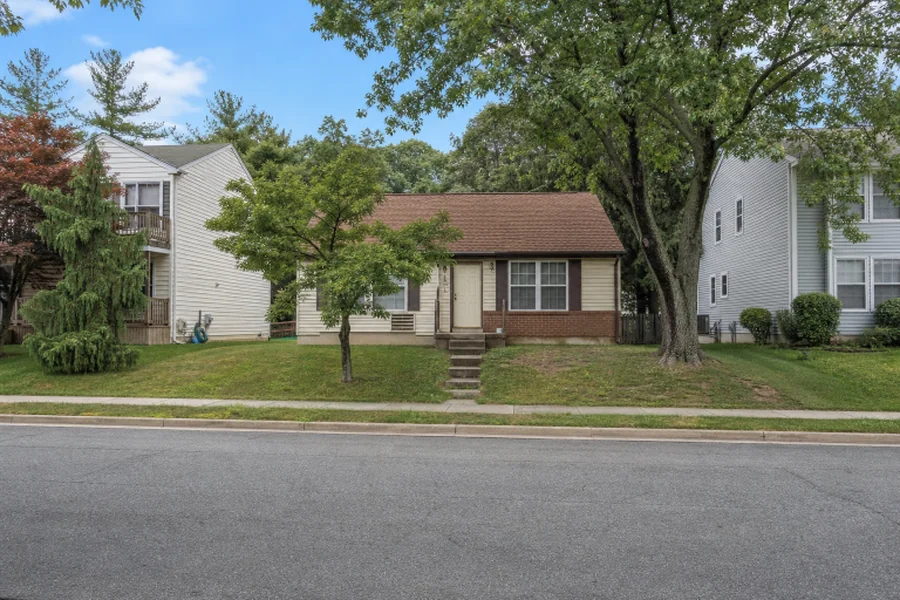
Selling a House As-Is in Woodbridge, VA: Repair, Disclosure, and Cash-Sale Choices
Key Takeaways
- An as-is sale means the seller does not plan to make repairs, but it does not remove required notices or other legal responsibilities.
- Low-cost safety and maintenance fixes can improve a home’s presentation without committing to a full renovation.
- Virginia sellers should review current disclosure requirements before listing or signing a contract.
- A traditional listing, a for-sale-by-owner transaction, and a direct cash offer can produce very different timelines and net proceeds.
- The strongest offer is not always the highest number. Financing, contingencies, fees, and closing flexibility matter.
Selling a property as-is can be a practical choice for homeowners facing deferred maintenance, an inherited home, a tight moving schedule, or a desire to avoid a long renovation project. If you are weighing whether to sell my home in Woodbridge, VA, the key is to look beyond the listing price and compare repairs, timing, contract terms, and estimated proceeds.
Woodbridge includes a broad mix of condos, townhomes, established single-family neighborhoods, and newer development. That variety means an as-is property can appeal to different audiences, including owner-occupants looking for a lower entry price, buyers comfortable with projects, and investors seeking a home with improvement potential.
What “As-Is” Means in Woodbridge
An as-is sale generally tells buyers that the owner intends to sell the home in its current condition and does not intend to complete requested repairs. It does not necessarily prevent inspections, renegotiation attempts, appraisal concerns, or financing conditions. For example, a buyer may accept an older roof, dated kitchen, unfinished basement, or worn flooring, but still ask questions about active water intrusion, electrical concerns, or structural issues.
Homeowners who want a straightforward path without repeated showings may also explore a direct sale through 4 Brothers Buy Houses. Any seller considering that route should still request clear written terms and compare the offer with other realistic options.
Should You Repair the Home Before Selling?
Repairs should be evaluated as a business decision, not an automatic requirement. Spending $15,000 on improvements does not guarantee a $15,000 increase in the final sale price. Before beginning work, consider the home’s likely condition-based value, the repair timeline, and whether the expected buyer pool would value the upgrade.
Repairs That May Help
- Stopping active leaks or addressing obvious water damage.
- Fixing unsafe steps, broken windows, loose railings, or exposed hazards.
- Resolving minor plumbing or electrical problems.
- Improving lighting, cleaning thoroughly, and removing clutter.
- Completing inexpensive repairs that make the property easier to show.
Repairs That May Not Pay Off
- A full kitchen renovation, when the buyer may prefer different finishes.
- Luxury bathroom upgrades that exceed the property’s practical market position.
- Major additions that require substantial cost and time.
- Replacing functional finishes solely because they are dated.
- Large landscaping projects with uncertain buyer appeal.
Woodbridge Factors That Can Shape Buyer Interest
Woodbridge is a community in Prince William County, south of Washington, D.C., with access to major commuter routes and nearby rail service. This local setting can make location, commuting patterns, property type, and usable space important factors in a buyer’s decision. Woodbridge’s location in Prince William County also helps explain why housing needs can vary from one neighborhood to another.
A well-located townhome may attract buyers even if cosmetic updates are needed, while a condo sale may require extra attention to the association’s documents and fees. In HOA or condominium communities, sellers should find out whether a resale disclosure packet, certificate, balance information, or approval process is needed. Recent comparable sales from nearby streets are generally more useful than relying only on an automated online estimate.
Virginia Disclosure Rules for Sellers
As-is language does not eliminate Virginia disclosure and notice requirements. The Virginia Residential Property Disclosure Act governs the information that owners must provide in covered residential transactions, and the state’s current residential disclosure statement became effective July 1, 2026.
Discuss known concerns with a qualified real estate professional or attorney, particularly water intrusion, prior repairs, structural damage, mold, septic systems, zoning matters, permits, or pending code issues. Disclosure rules and exemptions can depend on the property and transaction.
Three Ways to Sell a Home As-Is
Traditional Listing
An agent can market the home widely, advise on pricing, coordinate showings, and help review offers. This route may bring more buyer attention, but buyers using loans can face appraisal or property-condition requirements, and inspection negotiations may still occur.
For-Sale-by-Owner
Selling without an agent may reduce some commission expense, but the owner takes responsibility for pricing, marketing, buyer screening, showings, contract coordination, and negotiations. Settlement and legal support remain important.
Direct Cash Sale
A direct buyer may offer fewer showings and a simpler timetable. Convenience can be valuable, particularly when a home needs work, but sellers should compare price, proof of funds, fees, contingencies, closing date, assignment rights, and cancellation language.
How to Compare Net Proceeds
Estimated Net Proceeds = Sale Price − Mortgage Payoff − Selling Costs − Repair Costs − Moving Costs
Use the same calculation for every option. Confirm the mortgage payoff, request written repair bids for major work, account for commissions or buyer credits, and include storage, cleaning, temporary housing, and relocation expenses. A lower offer that closes reliably with fewer costs may be preferable to a higher offer with uncertain financing or extensive repair demands.
A Simple As-Is Selling Process
- List known defects, repairs, and property concerns.
- Gather mortgage, tax, insurance, HOA, permit, and utility information.
- Request more than one pricing opinion or written offer.
- Choose a selling path that fits the home’s timeline and condition.
- Review every contingency, inspection right, financing term, and closing cost.
- Use a licensed settlement agent or qualified attorney and confirm expected proceeds before closing.
Common Mistakes to Avoid
- Overpricing based on emotional value rather than condition and nearby sales.
- Making expensive improvements without estimating their likely return.
- Accepting the first offer without comparing the full terms.
- Ignoring liens, unpaid taxes, HOA balances, or title questions.
- Assuming as-is wording removes every disclosure obligation.
- Failing to verify proof of funds or financing strength.
Questions to Ask Before Accepting an Offer
- Is the offer dependent on financing, appraisal, or inspection results?
- How much earnest money will the buyer deposit?
- Who pays settlement costs and any requested buyer credits?
- Can the buyer assign the contract to another party?
- What happens if the title work reveals a lien or ownership issue?
- Is the closing date firm, and is a post-closing occupancy period needed?
Final Thoughts
Selling a house as-is in Woodbridge is not a one-size-fits-all shortcut. A careful comparison of repair needs, local buyer interest, disclosure duties, contract terms, costs, and net proceeds can help a homeowner select the sale path that best fits the property and the situation.


One Comment