
Can Turkeys Fly? Exploring the Flight Capabilities of These Iconic Birds
Turkeys are fascinating birds that have captured human attention for centuries, whether as symbols of Thanksgiving, wild creatures in forests, or farm-raised livestock. However, a common question often arises when discussing turkeys: Can turkeys fly? The answer depends on the type of turkey in question—wild or domesticated. Let’s dive into the flight capabilities of turkeys, their natural behavior, and the differences between wild and farm-raised turkeys.
The Anatomy of a Turkey: Built for Short Flights
To understand whether turkeys can fly, it’s essential to look at their anatomy. Turkeys are large birds with strong legs, broad wings, and hefty bodies. Their wings are relatively short and rounded, which makes them better suited for quick, short bursts of flight rather than sustained soaring like eagles or hawks.
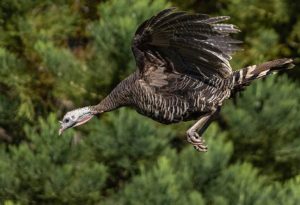
Wild turkeys are particularly well-adapted for flight in their natural habitats. They have a leaner body and more robust wing muscles compared to domesticated turkeys. Their flight is not about traveling long distances but rather evading predators, navigating forested areas, or reaching tree branches to roost.
Wild Turkeys: Impressive Flyers
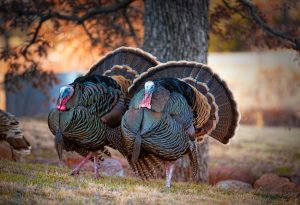
Wild turkeys (Meleagris gallopavo), native to North America, are excellent flyers despite their size. These birds can weigh between 8 to 24 pounds, yet they can take to the air with remarkable agility. Here are some key facts about wild turkeys and their flight abilities:
- Short Bursts of Flight: Wild turkeys can fly at speeds of up to 55 miles per hour, though their flights are typically short, lasting only a few seconds to a minute. This is sufficient for them to escape predators or cross obstacles.
- Roosting in Trees: Wild turkeys often fly up into trees at dusk to roost. This behavior keeps them safe from ground predators such as coyotes, foxes, and raccoons. They are surprisingly graceful as they navigate branches and settle in for the night.
- Takeoff Power: Wild turkeys have powerful legs and wings that enable them to take off quickly, often straight up into the air. This rapid takeoff is crucial for escaping danger in dense forested environments.
- Flight Distance: While wild turkeys excel at short-distance flight, they are not migratory birds. Their flights are usually limited to covering small areas within their home range, such as moving between feeding and roosting sites.
Domesticated Turkeys: Flightless by Design
Domesticated turkeys, bred primarily for meat production, have lost their ability to fly. These turkeys are descendants of wild turkeys but have been selectively bred to be significantly larger and heavier. The average domesticated turkey can weigh between 15 to 40 pounds, depending on the breed, making flight virtually impossible.
Key reasons for their inability to fly include:
- Excessive Weight: Domesticated turkeys are bred for maximum meat yield, resulting in bodies that are too heavy for their wings to support.
- Weakened Wing Muscles: Over generations, the emphasis on breeding for size has diminished the wing strength of domesticated turkeys. Their wings are underdeveloped compared to their wild counterparts.
- Different Living Conditions: Farm-raised turkeys are often kept in enclosed environments with limited space to move, let alone fly. This lack of exposure to natural behaviors further reduces their capacity for flight.
How Do Turkeys Fly?
Wild turkeys use their flight capabilities in specific ways that align with their natural behaviors and survival instincts. Here’s how they typically take flight:
- Takeoff: Wild turkeys begin by running on the ground to build momentum before taking off. Their strong legs and powerful wingbeats propel them upward.
- Gliding and Maneuvering: Once airborne, wild turkeys are agile and capable of maneuvering through trees or across open fields. Their short, rounded wings are ideal for quick changes in direction.
- Landing: Turkeys land gracefully on tree branches or the ground. When roosting, they often hop between branches to find a stable perch.
Myths and Misconceptions About Turkeys and Flight
The idea that turkeys are completely flightless likely stems from the visibility of domesticated turkeys, which are indeed unable to fly. However, wild turkeys are skilled flyers, and their flight capabilities often surprise those who encounter them in nature.
Some popular myths about turkeys and flight include:
- “Turkeys are too heavy to fly”: While this is true for domesticated turkeys, wild turkeys are leaner and built for short flights.
- “Turkeys don’t need to fly”: In the wild, flight is a critical survival tool for avoiding predators and reaching roosting spots.
Why Flight Matters for Turkeys
Flight plays a crucial role in the survival and daily routines of wild turkeys. It allows them to:
- Escape Predators: Quick flights help them evade ground-based threats.
- Access Food and Shelter: Flight enables turkeys to navigate their habitats, including reaching berries or insects in higher vegetation.
- Roost Safely: Roosting in trees at night provides protection from nocturnal predators.
For domesticated turkeys, the lack of flight is inconsequential because they live in controlled environments where food, water, and shelter are provided.
Observing Turkeys in the Wild
Watching wild turkeys take flight is a unique and memorable experience. If you encounter these birds in their natural habitat, you might see them suddenly burst into flight when startled, displaying their strength and agility. Early morning or dusk are the best times to observe their roosting behavior, where they ascend to tree branches for the night.
Conclusion
So, can turkeys fly? The answer is a resounding yes—if they are wild turkeys. These agile birds use their flight capabilities to survive and thrive in their natural environments. Domesticated turkeys, on the other hand, have been bred for size and cannot take to the skies. The contrast between wild and farm-raised turkeys highlights the impact of domestication on animal behavior and physiology. Whether soaring into trees or running across open fields, turkeys demonstrate remarkable adaptability, making them one of nature’s most fascinating birds.