
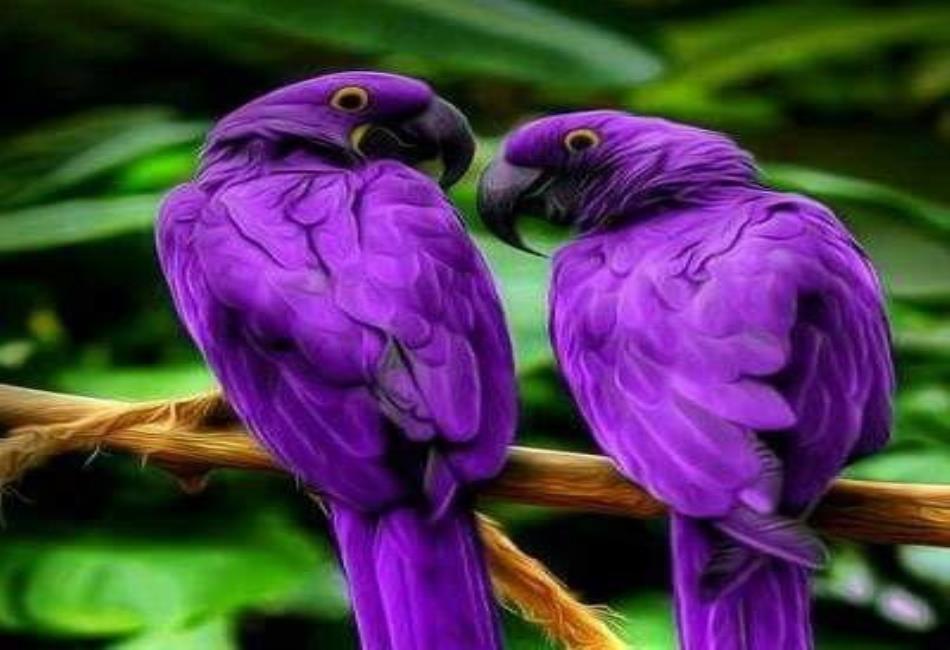
The Purple Bird: A Rare and Beautiful Marvel of the Avian World
Birds captivate us with their songs, their flight, and most notably, their stunning plumage. Among the vast spectrum of feathered creatures, the purple bird stands out as a rare gem in nature’s palette. Birds with vibrant purple hues evoke a sense of mystery, royalty, and elegance. But what exactly are purple birds, where can they be found, and what makes them so special? In this article, we’ll explore everything you need to know about purple birds — from famous species to their symbolic meaning in cultures around the world.
What Is a Purple Bird?
A “purple bird” isn’t a single species but rather a broad term referring to birds that possess naturally purple-colored feathers. True purple is an uncommon pigment in nature, making purple birds especially rare and fascinating. Their coloration is often the result of light refraction, structural feather composition, and a combination of red and blue pigmentation, rather than actual purple pigments.
These birds are often found in tropical regions but can also appear in temperate zones depending on the species.

Notable Purple Bird Species
Let’s take a look at some of the most striking and widely recognized purple-colored bird species.
1. Purple Martin (Progne subis)
The Purple Martin is perhaps the most well-known purple-colored bird in North America. These swallows are admired for their deep, iridescent purple-blue feathers and graceful aerial acrobatics. Males display the richest coloration, while females have a more subdued mix of purple and gray.
Habitat: Open areas near water, parks, and meadows.
Fun Fact: They are social birds and often nest in colonies in man-made birdhouses.
2. Violet-Backed Starling (Cinnyricinclus leucogaster)
Native to sub-Saharan Africa, this bird boasts one of the most dazzling purple hues in the bird world. Males are covered in a rich, metallic purple sheen on their back and wings.
Habitat: Woodlands, savannas, and forest edges.
Fun Fact: Despite their beauty, Violet-Backed Starlings are quite shy and often hide in foliage.
3. Purple Grenadier (Uraeginthus ianthinogaster)
This small finch-like bird is found in eastern Africa. The males have vivid purple chests and faces with a striking red beak and mask.
Habitat: Bushland and savannas of Kenya, Somalia, and Tanzania.
Fun Fact: Purple Grenadiers are popular in aviculture due to their exotic appearance.
4. Purple Honeycreeper (Cyanerpes caeruleus)
Despite the name, males appear more blue than purple to the untrained eye, but their plumage often shimmers with violet hues in the right lighting.
Habitat: Tropical rainforests of South America.
Fun Fact: Their curved beaks help them feed on nectar, similar to hummingbirds.
5. Purple Swamphen (Porphyrio porphyrio)
A large, striking bird with a mix of deep purples and blues, the Purple Swamphen is native to southern Europe, Africa, Asia, and Oceania.
Habitat: Marshes, wetlands, and reed beds.
Fun Fact: These birds are strong swimmers and can often be seen wading or walking over aquatic vegetation.
Why Are Purple Birds Rare?
Unlike more common colors such as brown or gray, purple is a structurally produced color in birds. It is caused by microscopic structures in the feathers that reflect light in such a way that the color appears purple. Very few birds have evolved this feather structure, which is why purple plumage is less frequently seen.
Additionally, purple coloration can make birds more visible to predators, so many birds have evolved to use more camouflaging colors unless the vibrant hue provides a mating advantage or territorial benefit.
Symbolism of Purple Birds
In many cultures, purple birds hold symbolic meanings:
-
Royalty and Nobility: Just like the color purple in historical contexts, purple birds often symbolize power and regality.
-
Mystery and Magic: Their rare appearance makes them symbols of mystery and the unknown.
-
Spiritual Growth: In some spiritual circles, seeing a purple bird in a dream or in nature is considered a sign of transformation and awakening.
Attracting Purple Birds to Your Garden
If you live in North America and wish to attract purple birds like the Purple Martin, here are a few tips:
-
Install a Purple Martin House: They prefer nesting in colonies, so a multi-compartment birdhouse works best.
-
Provide Water Sources: A clean birdbath or small fountain attracts a variety of birds.
-
Grow Native Plants: Berry-producing bushes and nectar-rich flowers attract starlings, honeycreepers, and other colorful species.
-
Avoid Pesticides: Healthy insects and plants create a vibrant ecosystem that naturally attracts birdlife.
Conservation Concerns
Many species of purple birds face threats due to habitat destruction, climate change, and illegal pet trade. While species like the Purple Martin have adapted well to urban areas with the help of conservationists, others such as the Violet-Backed Starling rely on delicate ecosystems that are being rapidly diminished.
Organizations such as the Audubon Society and BirdLife International work actively to protect habitats and educate the public about bird conservation.
Purple Birds in Popular Culture
Purple birds have also made appearances in myths, literature, and even pop culture. While not always representing real species, their presence often carries themes of elegance, change, and surrealism.
-
Children’s Books: Purple birds are often used to stimulate imagination and convey uniqueness.
-
Art and Music: Artists frequently use purple birds to symbolize dreamlike states or exotic locales.
-
Spiritual Literature: A purple bird may represent inner peace, higher consciousness, or personal growth.

Final Thoughts
Purple birds are more than just a visual delight — they are ambassadors of biodiversity, spiritual symbolism, and natural wonder. Whether you’re a birdwatcher, a gardener, or simply someone who appreciates the beauty of nature, spotting a purple bird in the wild is a memorable and almost magical experience.
From the dazzling Purple Martin of North America to the elusive Violet-Backed Starling of Africa, each species reminds us of the beauty and fragility of our planet’s ecosystems. By learning more and supporting conservation efforts, we can help ensure that these vibrant birds continue to inspire future generations.
Did You Know? The term “purple bird” also sometimes refers metaphorically to a unique or rare person—someone who stands out in a crowd, much like these majestic creatures in the wild.
Frequently Asked Questions: The Purple Bird – A Rare and Beautiful Marvel of the Avian World
Q1: Are there birds that are naturally purple?
Yes, several bird species naturally display purple or violet hues due to light-reflecting feather structures, not pigments. Notable examples include the Purple Martin, Violet-Backed Starling, and Purple Grenadier.
Q2: What is the most well-known purple bird?
The Purple Martin is one of the most well-known purple birds, especially in North America. Its deep, glossy purple plumage and sociable nature make it a favorite among birdwatchers.
Q3: Why are purple birds considered rare?
Purple is a structurally produced color in birds and not a common pigment. It requires unique feather microstructures that reflect light in a specific way, making purple birds less common in the wild.
Q4: Where can purple birds typically be found?
Purple birds are often found in tropical and subtropical regions, though species like the Purple Martin are native to North America. Other purple species inhabit Africa, Asia, and South America.
Q5: What does seeing a purple bird symbolize?
Purple birds often symbolize royalty, mystery, spiritual transformation, and uniqueness in various cultures and belief systems. They are sometimes considered omens of positive change or inner growth.
Q6: Can I attract purple birds to my backyard?
Yes, depending on your location. You can attract birds like the Purple Martin by installing a specialized birdhouse, planting native berries, and providing water sources such as birdbaths.
Q7: Are purple birds endangered?
Some purple bird species face threats due to habitat loss and environmental changes. While not all are endangered, conservation efforts are crucial to protect their habitats and ensure survival.
Q8: Are purple birds popular in art and culture?
Yes, purple birds are often used in art, literature, and folklore to represent exotic beauty, fantasy, and spiritual depth. Their rare coloration makes them a popular metaphor for uniqueness.


![Toco Toucan[: Ramphastos toco] Overview, Habitat, Diet, Sounds](https://birdzpedia.com/wp-content/uploads/2023/12/Toco-Openbill-768x402.png)


