

Baby Quail: A Comprehensive Guide to These Adorable Hatchlings
Baby quail, often called “chicks,” are some of the most delightful and fascinating birds to observe and raise. Known for their small size, rapid development, and unique behaviors, baby quail are a favorite among bird enthusiasts, farmers, and wildlife lovers. This article explores everything you need to know about baby quail, from their characteristics and habitat to tips on raising them successfully.
Understanding Baby Quail
Baby quail are the young of various quail species, such as the common quail, bobwhite quail, and California quail. These small, ground-dwelling birds belong to the pheasant family, Phasianidae, and are known for their short, rounded bodies and remarkable agility. Baby quail are precocial, meaning they are relatively mature and mobile shortly after hatching.
Physical Characteristics
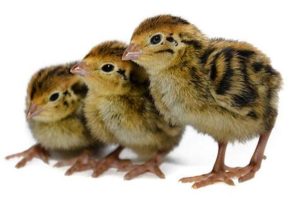
Baby quail are tiny, typically measuring about an inch in length at birth. They are covered in soft down feathers that provide insulation and camouflage in their natural habitats. Depending on the species, their coloration ranges from light yellow and brown to striped patterns that mimic their surroundings.
Their small size and rapid movements make them vulnerable to predators, but their natural camouflage helps them stay safe.
Life Cycle of Baby Quail
- Egg Stage
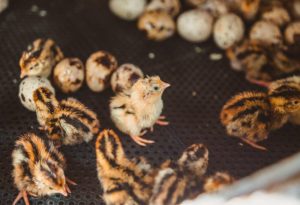
Quail eggs are small, speckled, and incubate for about 18-23 days, depending on the species. The female quail lays a clutch of 10-15 eggs in a shallow nest on the ground. - Hatching
When baby quail hatch, they are fully developed and ready to explore their surroundings. They rely on their mother for warmth and guidance but are capable of feeding themselves almost immediately. - Growth and Development
Baby quail grow rapidly, developing feathers within a few weeks. By 6-8 weeks, they are fully grown and can fly short distances. This fast maturation helps them adapt to their environment and avoid predators.
Natural Habitat and Behavior
Baby quail thrive in diverse habitats, including grasslands, deserts, and forests. They prefer areas with dense vegetation for cover and easy access to food. In the wild, they follow their mother closely, learning how to forage for seeds, insects, and other small food items.
Quail are social birds that live in groups called coveys. Baby quail often form tight-knit groups, which provides added protection from predators.
Raising Baby Quail
Many people choose to raise baby quail for their eggs, meat, or as pets. Quail farming is increasingly popular due to the birds’ fast growth and low maintenance requirements. However, raising baby quail requires specific care and attention to ensure their health and well-being.
- Brooder Setup
Baby quail need a warm and safe environment to thrive. A brooder box, equipped with a heat source such as a heat lamp, provides the ideal conditions. The temperature should be kept at 95°F during the first week and gradually lowered by 5°F each week as they grow. - Bedding
Use absorbent and non-toxic bedding, such as paper towels or pine shavings, to keep the brooder clean and dry. Avoid slippery surfaces like newspaper, which can cause leg injuries. - Feeding
Baby quail require a high-protein diet to support their rapid growth. Specialized game bird starter feed, containing at least 24-30% protein, is ideal. Ensure that the feed is finely ground, as baby quail have small beaks. - Water
Provide shallow water dishes to prevent drowning. Adding marbles or small stones to the water dish can help keep baby quail safe while they drink. - Shelter and Space
Baby quail need enough space to move freely and grow. Overcrowding can lead to stress and health issues, so ensure the brooder is large enough to accommodate them comfortably.
Common Challenges and Solutions
Raising baby quail comes with its challenges, but these can be managed with proper care and attention:
- Temperature Fluctuations
Baby quail are sensitive to temperature changes. Use a reliable heat source and monitor the brooder’s temperature regularly. - Predation
Baby quail are vulnerable to predators, including domestic pets, rodents, and birds of prey. Keep their enclosure secure and predator-proof. - Disease
Overcrowding and poor hygiene can lead to disease outbreaks. Clean the brooder regularly and provide fresh food and water daily. - Feather Picking
This behavior can occur due to stress or boredom. Ensure the quail have enough space and provide enrichment, such as small toys or objects to explore.
Interesting Facts About Baby Quail
- Camouflage Experts
Baby quail’s striped and speckled patterns help them blend into their surroundings, making them less visible to predators. - Fast Learners
Baby quail learn survival skills quickly from their mother, including foraging and avoiding danger. - Social Creatures
Even at a young age, baby quail exhibit social behaviors and thrive in groups. - Rapid Development
Unlike many bird species, baby quail are independent and mobile soon after hatching, a trait that enhances their survival.
Conservation and Importance
Quail play a vital role in ecosystems as both prey and seed dispersers. However, habitat loss and overhunting have led to declining populations in some areas. Conservation efforts, such as habitat restoration and sustainable hunting practices, are essential to protect these birds.
For those raising quail, it’s important to prioritize ethical practices and ensure the well-being of the birds. Responsible farming and wildlife stewardship can contribute to the preservation of quail species.
Conclusion
Baby quail are fascinating creatures that embody resilience and adaptability. Whether you’re observing them in the wild or raising them at home, these tiny birds offer a unique opportunity to connect with nature and learn about avian life. With proper care, baby quail can grow into healthy adults, bringing joy and purpose to bird enthusiasts and farmers alike.
Their charm, utility, and ecological importance make baby quail a delightful subject for anyone interested in wildlife or poultry farming. By understanding their needs and behaviors, we can ensure that these remarkable birds continue to thrive in the years to come.


