Black and White Animals: Nature’s Most Striking Contrasts
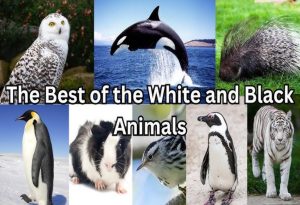
Nature is full of color, but sometimes, it’s the stark simplicity of black and white that captures our attention the most. Black and white animals are striking not just for their appearance but often for the unique evolutionary advantages these colorations provide. From camouflage and warning signals to social behavior and communication, these bold patterns can serve multiple purposes in the animal kingdom.
In this article, we’ll take a closer look at some of the most iconic and fascinating black and white animals from around the world, exploring where they live, how their coloring benefits them, and what makes them so memorable.
1. Zebra
Habitat:
Grasslands and savannas of Africa
Why Black and White?
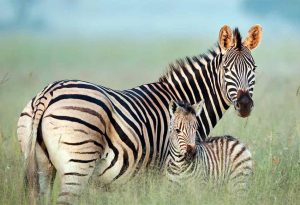
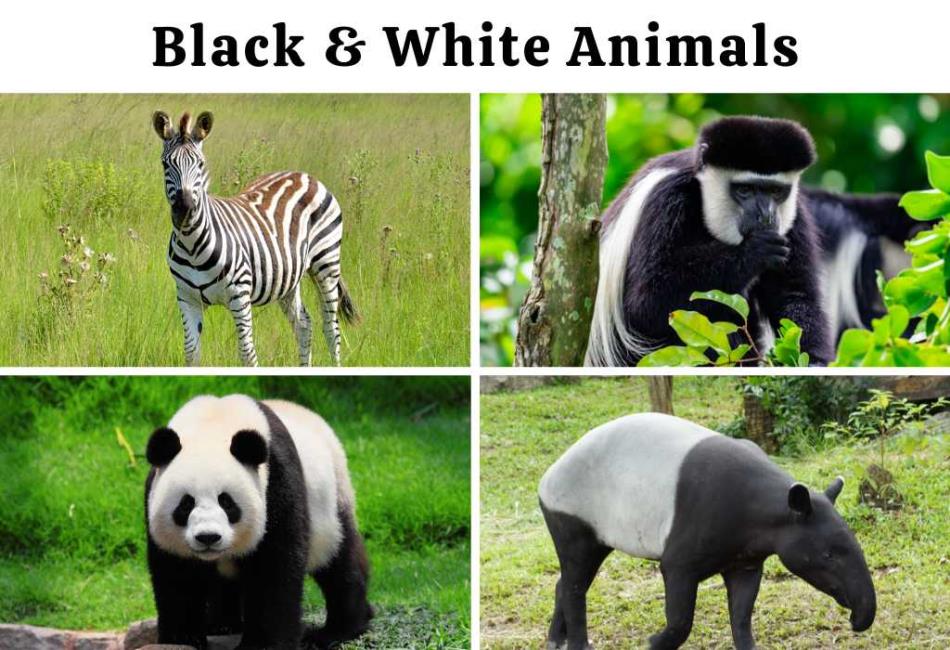
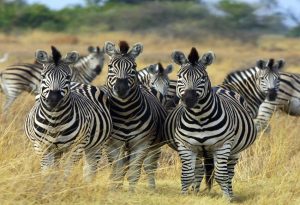
Zebras are perhaps the most recognizable black and white animals. Their iconic stripes serve multiple purposes. Scientists believe the patterns help confuse predators, regulate body temperature, and may even deter biting insects like tsetse flies. Each zebra has a unique stripe pattern, much like a human fingerprint.
2. Panda
Habitat:
Mountain forests of central China
Why Black and White?
The giant panda’s coloration helps with camouflage and communication. The white fur blends with snowy environments, while the black limbs and shoulders help them hide in the shade. Their distinct facial markings help them identify one another. Despite their carnivorous ancestry, pandas mainly eat bamboo and have become symbols of conservation efforts worldwide.
3. Dalmatian Dog
Habitat:
Domesticated, originally bred in Europe
Why Black and White?
Dalmatians are famous for their unique spots, which emerge a few weeks after birth. Originally bred as carriage dogs, their black-and-white coats made them easily visible in the streets. Their distinctive appearance and high energy make them a popular breed, especially among active families.
4. Skunk
Habitat:
Forests, grasslands, and suburban areas in North and Central America
Why Black and White?
A skunk’s contrasting color pattern serves as a warning signal to predators. Known for their powerful and foul-smelling spray, skunks use their appearance as a first line of defense. Their markings say: “Stay back!”—and most predators know to heed the warning.
5. Orca (Killer Whale)
Habitat:
Oceans worldwide, especially in colder regions
Why Black and White?
The orca’s bold coloration helps it blend into the ocean. When viewed from above, its black back merges with the dark depths, and from below, its white belly blends with the lighter ocean surface. This camouflage is crucial when hunting prey like seals, fish, and even whales.
6. Magpie
Habitat:
Europe, Asia, Australia, and North America
Why Black and White?
The Eurasian magpie, in particular, is famous for its shiny black and white feathers. A member of the crow family, magpies are highly intelligent and can mimic sounds, recognize themselves in mirrors, and solve complex problems. Their coloration is believed to help in identification and mating displays.
7. Black and White Ruffed Lemur
Habitat:
Rainforests of Madagascar
Why Black and White?
This endangered primate uses its bold coloration to help maintain social cohesion within dense forests. Their loud calls and contrasting patterns help group members locate each other. The species is also a critical seed disperser, playing an important ecological role in its habitat.
8. Penguin
Habitat:
Southern Hemisphere, especially Antarctica
Why Black and White?
Penguins exhibit a form of camouflage known as countershading. Their black backs blend with the dark ocean depths when viewed from above, while their white bellies blend with the bright surface when viewed from below. This protects them from predators while swimming.
9. Malayan Tapir
Habitat:
Rainforests of Southeast Asia
Why Black and White?
The Malayan tapir features a unique coloration with a white midsection and dark front and back ends. This helps it blend into moonlit forest environments, confusing predators. Despite its appearance, the tapir is related to horses and rhinos and is primarily nocturnal.
10. Pied Bats (Badger-faced Bat)
Habitat:
Africa
Why Black and White?
Discovered relatively recently in South Sudan, the pied bat’s unique coloration has fascinated scientists. The contrasting pattern may help it blend in among the shadows and light patterns of its roosting environment. It’s an example of how little we still know about the diversity of black and white animals.
The Evolutionary Benefits of Black and White Coloration
Black and white coloration may seem simple, but it’s surprisingly effective across different species and environments. Here are a few of the key evolutionary reasons for this color scheme:
1. Camouflage
From orcas to penguins, many animals use black and white patterns to hide from predators or sneak up on prey. This strategy, known as countershading, is especially common in aquatic environments.
2. Warning Signals (Aposematism)
Animals like skunks use stark coloring to warn predators of their defenses. This high-contrast coloration is attention-grabbing and memorable.
3. Social Signaling
Species like zebras and lemurs rely on their patterns to identify and communicate with each other. In some cases, the patterns may play a role in attracting mates.
4. Temperature Regulation
Some scientists believe that zebra stripes may help regulate body temperature by creating microcurrents of air across their bodies.
Cultural Impact of Black and White Animals
Black and white animals have also played major roles in mythology, storytelling, and symbolism. For example:
-
Pandas are symbols of peace and conservation.
-
Dalmatians are cultural icons thanks to films like 101 Dalmatians.
-
Zebras represent individuality and uniqueness due to their stripe patterns.
-
Penguins have become mascots for everything from Antarctic exploration to climate change awareness.
Their stark coloration lends itself to symbolism—often seen as representations of balance (yin and yang), duality, or clarity.
Final Thoughts
Black and white animals may lack the bright colors of parrots or butterflies, but their visual contrast makes them stand out in unforgettable ways. From the frozen Antarctic seas to the tropical forests of Madagascar, these creatures showcase the power and beauty of simplicity in nature’s palette.
Whether used for camouflage, warning, or communication, black and white coloring serves a functional—and often beautiful—purpose. The next time you see a panda, penguin, or zebra, you’ll know there’s more to those patterns than meets the eye.
FAQ: Black and White Animals – Nature’s Most Striking Contrasts
Q1: Why are some animals black and white?
A1: Black and white coloration can serve various purposes including camouflage, warning predators, temperature regulation, and social signaling.
Q2: What is the most famous black and white animal?
A2: The zebra and the giant panda are among the most iconic black and white animals known worldwide for their distinctive patterns.
Q3: How do penguins benefit from being black and white?
A3: Penguins use a form of camouflage called countershading—their black back blends with the ocean depths from above, and their white belly blends with the surface light from below.
Q4: Are all black and white animals from the same regions?
A4: No, black and white animals live in a variety of habitats around the world, from African savannas to Antarctic ice and Southeast Asian rainforests.
Q5: Do black and white patterns help with animal communication?
A5: Yes, many animals like zebras and lemurs use their unique patterns to recognize one another, stay in groups, or attract mates.