
The Painted Bunting: A Jewel of North American Birdlife
The Painted Bunting (Passerina ciris) is one of North America’s most visually stunning bird species, often described as a “rainbow bird” due to its dazzling, multi-colored plumage. Found primarily in the southeastern United States and parts of Central America, this small songbird captivates birdwatchers, nature enthusiasts, and researchers alike. Known for its vibrant appearance and elusive behavior, the Painted Bunting has become a highly sought-after sighting for birdwatchers. This article explores the Painted Bunting’s unique characteristics, habitat, behavior, conservation status, and the challenges it faces in the wild.
Physical Appearance: Nature’s Masterpiece
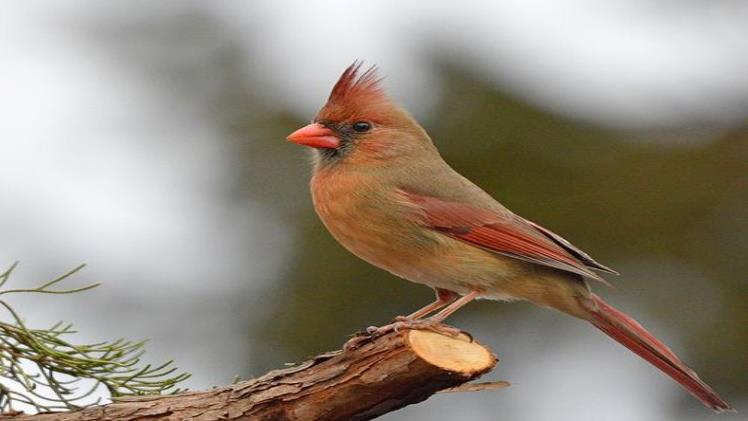
The Painted Bunting is often called one of the most beautiful birds in North America due to its striking coloration, particularly in males. Adult males have a brilliant mix of colors, with a bright blue head, red underparts, and green back, making them appear almost like a work of art. Females and immature Painted Buntings, on the other hand, are more subdued in color, often exhibiting a greenish-yellow hue, which provides them with better camouflage from predators.
This striking sexual dimorphism, where males are more vividly colored than females, is typical among many bird species and serves multiple purposes, from attracting mates to deterring rival males. The vibrant plumage of male Painted Buntings plays an essential role during the breeding season, helping them attract females while also warding off potential competitors.
Habitat and Distribution
The Painted Bunting is mainly found in two breeding populations in the United States: an eastern population along the southeastern coastal plains from North Carolina to northern Florida, and a western population extending from Texas, Oklahoma, and parts of northern Mexico. They inhabit a variety of ecosystems, from woodland edges and dense brush to open fields and savannas. Painted Buntings prefer areas with dense vegetation, where they can forage for food and build nests while remaining hidden from predators.
During the winter months, Painted Buntings migrate to southern Florida, the Caribbean, and Central America. They tend to select habitats that provide ample cover and food, such as thickets, shrubby edges, and gardens. The eastern population migrates primarily to the Caribbean and southern Florida, while the western population heads to Central America, where they spend the colder months.
Behavior and Diet
Painted Buntings are known for their secretive nature. While males are more conspicuous during the breeding season, displaying their colorful plumage and singing from prominent perches, the species as a whole is generally shy and challenging to spot. Painted Buntings often remain hidden in dense vegetation, which helps protect them from predators.
These birds are omnivorous, with a diet primarily consisting of seeds and insects. Painted Buntings forage on the ground and among low vegetation for seeds, which make up the bulk of their diet outside the breeding season. During the breeding season, they consume a greater quantity of insects, including beetles, grasshoppers, and caterpillars, which provide the protein needed for their young. Their diet also includes small fruits and berries, particularly in areas with abundant fruiting plants.
Breeding and Reproduction
The breeding season for Painted Buntings typically begins in late spring and continues through the summer months. During this period, male Painted Buntings become highly territorial, engaging in displays and even occasional confrontations with rival males to secure their breeding areas. They use a distinct, melodic song to attract females and establish their territory. Their song is a pleasant series of notes, often delivered from a high perch.
Once a pair is formed, the female takes on the responsibility of building the nest, usually in dense shrubs or low trees, where it is well concealed. Painted Buntings’ nests are cup-shaped and constructed using twigs, grasses, and leaves. The female usually lays between three to four eggs, which are incubated for around 11 days. The young are born helpless and rely on their parents for food and protection. Both the male and female take part in feeding the chicks, which leave the nest approximately two weeks after hatching.
Conservation Status and Threats
The Painted Bunting is currently listed as “Near Threatened” on the International Union for Conservation of Nature (IUCN) Red List, primarily due to habitat loss and illegal trapping. In certain areas, such as Central America and the Caribbean, Painted Buntings are captured for the pet trade, where their striking colors make them highly sought after. This illegal trapping poses a significant threat to the population, as it removes individuals from their natural habitats and disrupts their breeding cycles.
Habitat loss is another pressing concern for Painted Buntings. Urban development, agriculture, and deforestation have led to the reduction of their natural habitats, particularly in the southeastern United States and their wintering grounds in Central America. The fragmentation of habitats makes it more challenging for these birds to find suitable breeding and foraging areas, impacting their ability to survive and reproduce.
Efforts to conserve Painted Bunting populations are underway, with several organizations focusing on habitat preservation, legal protections, and anti-poaching initiatives. Conservationists emphasize the importance of protecting the natural habitats of Painted Buntings, especially along migratory routes and in wintering grounds. Community education and ecotourism also play a role in raising awareness about these stunning birds and the need to protect them.

How to Spot and Attract Painted Buntings
For birdwatchers, seeing a Painted Bunting in the wild is a thrilling experience. These birds are most easily spotted during the breeding season when males are in full color and sing from prominent perches. In the southeastern United States, particularly in the Carolinas, Georgia, and Florida, Painted Buntings can be seen along nature trails and in parks where they find plenty of dense shrubs and low trees.
If you live in an area where Painted Buntings are known to reside, you can increase your chances of attracting them to your backyard by creating a bird-friendly habitat. They are drawn to dense vegetation that provides cover, as well as a steady supply of seeds and berries. Planting native shrubs, grasses, and fruit-bearing plants can make your yard a more attractive habitat for Painted Buntings. Additionally, providing a bird feeder with a mix of seeds, particularly white millet, can help attract them, as these birds have a preference for smaller seeds.
The Painted Bunting in Culture and Folklore
With its vibrant colors, the Painted Bunting has captured the human imagination for centuries. It has appeared in various cultural stories and folklore, often symbolizing beauty, mystery, and the allure of nature. In Native American culture, brightly colored birds like the Painted Bunting are often associated with messages from the spirit world, bringing with them a sense of wonder and connection to nature.
Today, the Painted Bunting continues to inspire artists, bird enthusiasts, and conservationists. Its remarkable beauty and the ongoing challenges it faces have made it a symbol of the need to protect our natural world. Observing a Painted Bunting in the wild is a reminder of the delicate balance in nature and the importance of preserving habitats for future generations to enjoy.
Conclusion
The Painted Bunting is more than just a pretty bird; it’s an essential part of North America’s biodiversity. With its rainbow-like plumage, elusive behavior, and fascinating life cycle, the Painted Bunting captivates anyone lucky enough to spot it. However, the species faces significant challenges due to habitat loss and illegal trapping, making conservation efforts crucial for its survival. By understanding and appreciating these beautiful birds, we can help ensure that they continue to color our landscapes for generations to come. Whether in a wild habitat or a backyard, the Painted Bunting serves as a vivid reminder of nature’s splendor and the responsibility we hold in protecting it.