
A Comprehensive Guide to Small Animals: Characteristics, Care, and Popular Pets
Small animals play a significant role in the ecosystem and human companionship. From household pets like hamsters and guinea pigs to wild creatures such as squirrels and hedgehogs, small animals come in diverse species, each with unique characteristics and needs. In this article, we will explore the world of small animals, their care requirements, and why they make great pets.
Understanding Small Animals
Small animals are typically defined as mammals, reptiles, birds, or amphibians that remain small in size even as adults. Their size often makes them more manageable for pet owners, but their care requirements can still be extensive.
There are three primary categories of small animals:
- Small Mammals – This includes rabbits, guinea pigs, hamsters, ferrets, mice, and hedgehogs. They are warm-blooded and have fur, and most of them are social animals requiring interaction.
- Small Reptiles and Amphibians – These include turtles, frogs, geckos, and bearded dragons. They are often low-maintenance compared to mammals but require specific environmental conditions.
- Small Birds – Budgies, finches, canaries, and parakeets fall into this category. They are intelligent and interactive pets that need mental stimulation.
Popular Small Animals as Pets
1. Hamsters
Hamsters are among the most popular small pets, especially for children. They are nocturnal, meaning they are active at night, and they require a clean, well-ventilated cage with ample bedding for burrowing.
- Lifespan: 2-3 years
- Diet: Pellets, seeds, vegetables, and occasional protein sources
- Care Tips: Provide a running wheel, chew toys, and regular cleaning of their habitat
2. Guinea Pigs
Guinea pigs are sociable rodents that love companionship. They thrive in pairs or small groups and require a spacious enclosure with hiding spots and hay bedding.
- Lifespan: 4-8 years
- Diet: Hay, vegetables, pellets, and occasional fruit
- Care Tips: Provide vitamin C supplements and ensure they have room to exercise
3. Rabbits
Rabbits are affectionate and intelligent pets that require a lot of space to roam. They can be litter trained and enjoy human interaction.
- Lifespan: 7-12 years
- Diet: Hay, fresh vegetables, pellets
- Care Tips: Spay or neuter to prevent aggressive behavior and ensure social interaction
4. Hedgehogs
Hedgehogs are solitary animals that require warm environments and specialized care. They have sharp spines but can become affectionate with proper handling.
- Lifespan: 4-6 years
- Diet: Insectivorous diet, high-quality cat food, fruits, and vegetables
- Care Tips: Provide an exercise wheel and a warm enclosure
5. Ferrets
Ferrets are playful and intelligent pets that need plenty of stimulation. They are known for their energetic and mischievous nature.
- Lifespan: 6-10 years
- Diet: High-protein diet, including raw meat and specialized ferret food
- Care Tips: Ensure ferret-proofing of the home, as they love to explore small spaces
Wild Small Animals
Many small animals live in the wild, playing crucial roles in the ecosystem. Some of these include:
- Squirrels – Known for their agility and ability to store food for winter
- Chipmunks – Small rodents that burrow underground
- Bats – The only flying mammals, vital for pollination and insect control
- Frogs – Amphibians that help maintain a balanced ecosystem by controlling insect populations
How to Care for Small Animals
Caring for small animals involves understanding their dietary needs, environmental requirements, and overall well-being.
1. Proper Nutrition
Each small animal has specific dietary requirements that must be met for them to remain healthy. For example, guinea pigs need vitamin C supplements, while ferrets require a protein-rich diet.
2. Suitable Habitat
Providing the right enclosure is crucial for the well-being of small animals. This includes:
- Proper cage size
- Bedding material that is safe and non-toxic
- Regular cleaning to prevent bacteria buildup
3. Regular Veterinary Care
Even small pets need veterinary attention. Routine check-ups can help prevent illnesses and ensure a long and healthy life.
Conclusion
Small animals are fascinating creatures that can make excellent pets when given the proper care. Whether you are considering adopting a hamster, a rabbit, or a ferret, understanding their needs and responsibilities is essential. By providing a suitable habitat, proper nutrition, and adequate veterinary care, you can ensure that your small pet thrives in a loving environment.
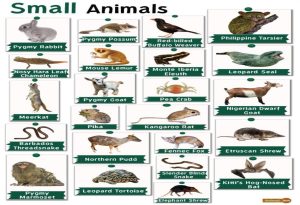
What are examples of small animals?
Small animals encompass a wide range of species, including mammals, reptiles, birds, and amphibians. Common examples of small mammals include hamsters, guinea pigs, rabbits, mice, and ferrets, all of which are popular as household pets. In the wild, small mammals such as squirrels, chipmunks, and hedgehogs play vital roles in the ecosystem. Reptiles like geckos, turtles, and small snakes are also considered small animals, often kept as low-maintenance pets. Among birds, species like budgies, finches, and canaries are common choices for pet owners due to their intelligence and vibrant personalities. Amphibians such as frogs and salamanders are also classified as small animals, thriving in specialized habitats. Each of these animals has unique care requirements, making it essential to understand their specific needs before adopting them as pets.
What is the top 10 smallest animal in the world?
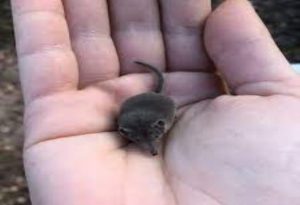
The world is home to many tiny creatures, some of which are barely visible to the human eye. Among the top 10 smallest animals in the world, the Paedophryne amauensis, a species of frog from Papua New Guinea, holds the record as the smallest vertebrate, measuring just 7.7 millimeters in length. The Bumblebee Bat, also known as Kitti’s hog-nosed bat, is the smallest mammal, weighing around 2 grams. The Etruscan Shrew, another contender, is the smallest terrestrial mammal, measuring about 4 centimeters in length. The Pygmy Seahorse, found in coral reefs, grows to just 1.4 centimeters. The Pygmy Rabbit, native to North America, is the smallest rabbit species, weighing less than 500 grams. Among birds, the Bee Hummingbird is the tiniest, measuring around 5.5 centimeters in length. The Speckled Padloper Tortoise is the smallest tortoise, with a shell length of about 10 centimeters. The Monte Iberia Eleuth, a tiny frog from Cuba, measures just 9.6 millimeters. The Barbados Threadsnake is the world’s smallest snake, growing to around 10 centimeters. Finally, the Dwarf Lantern Shark, found in deep ocean waters, measures just 20 centimeters in length, making it the smallest known shark species. These miniature animals showcase nature’s incredible diversity and adaptability.