

The Puffin: A Fascinating Icon of Coastal Wildlife
The puffin is one of the most recognizable and beloved seabirds, often referred to as the “clown of the sea” due to its colorful beak and unique appearance. Found along coastal cliffs and islands of the North Atlantic, puffins captivate bird enthusiasts and wildlife watchers with their charming behaviors, remarkable adaptations, and ecological importance. This article delves into the world of puffins, exploring their habitat, behavior, life cycle, and the conservation efforts aimed at protecting these enchanting birds.
Physical Characteristics: A Bird Like No Other
Puffins are small seabirds belonging to the auk family (Alcidae). Among the three puffin species—the Atlantic puffin (Fratercula arctica), horned puffin (Fratercula corniculata), and tufted puffin (Fratercula cirrhata)—the Atlantic puffin is the most well-known.
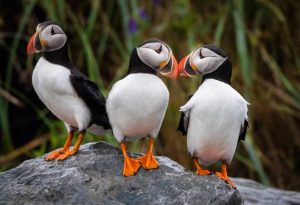
- Distinctive Appearance
Puffins have a stocky build with black and white plumage. Their vibrant orange beaks and matching feet add a splash of color during the breeding season, making them instantly recognizable. The beak fades to a duller hue during the winter months, a remarkable adaptation linked to their mating cycle. - Size and Weight
Adult puffins typically measure about 10–12 inches in length, with a wingspan of 20–24 inches. They weigh around 400–500 grams, making them compact yet robust flyers. - Flight and Diving Adaptations
Puffins are excellent swimmers and divers, using their wings to “fly” underwater in pursuit of fish. They can dive to depths of 60 meters and stay submerged for up to a minute.
Habitat and Distribution
Puffins are primarily found in the colder regions of the Northern Hemisphere.
- Breeding Grounds
Atlantic puffins nest along the coasts of Iceland, Norway, the United Kingdom, Canada, and parts of the United States. Iceland hosts the largest puffin population, with colonies that attract thousands of visitors annually. - Wintering Locations
During the non-breeding season, puffins spend months at sea, often in the open waters of the North Atlantic, far from land. They are highly adapted to life on the ocean, able to rest and sleep while floating on the waves.
Diet and Feeding Behavior
Puffins are carnivorous, with a diet that primarily consists of small fish such as sand eels, herring, and capelin.
- Hunting Techniques
Puffins use their sharp eyesight and strong swimming abilities to hunt underwater. They can carry multiple fish in their beaks at once, thanks to a specialized arrangement of spines on their tongue and upper beak. - Feeding Chicks
During the breeding season, puffins work tirelessly to catch fish for their chicks. A single trip can yield a beak full of fish, which is delivered to the hungry offspring waiting in their burrows.
Breeding and Life Cycle
Puffins are highly social birds that gather in large colonies during the breeding season, which typically begins in late spring.
- Mating and Courtship
Puffins are monogamous, often returning to the same partner and burrow year after year. Courtship behaviors include billing (gently rubbing beaks) and ritual displays, which strengthen pair bonds. - Nesting
Puffins dig burrows in grassy cliffs or occupy crevices in rocky terrain. A single egg is laid per season, which both parents incubate for about 40 days. - Chick Development
Once hatched, the chick, known as a puffling, is fed by both parents until it grows strong enough to leave the nest. At around 6–8 weeks old, pufflings make their way to the sea under the cover of darkness to avoid predators. - Longevity
Puffins have a relatively long lifespan, with some individuals living over 20 years. However, survival rates can vary depending on environmental factors and human impact.
Puffins and the Ecosystem
Puffins play a vital role in the marine ecosystem as both predators and prey.
- Marine Health Indicators
Puffin populations can serve as indicators of ocean health, as their diet depends on the abundance of small fish. Declines in fish populations often correlate with reduced puffin breeding success. - Prey for Other Species
Puffins and their eggs are preyed upon by various animals, including gulls, skuas, and foxes. Despite their strong swimming skills, puffins are also vulnerable to predation at sea from larger seabirds and marine mammals.
Threats and Conservation Efforts
Puffin populations face numerous threats, many of which are linked to human activities and climate change.
- Climate Change
Rising sea temperatures disrupt fish populations, forcing puffins to travel farther to find food. This impacts their ability to feed their chicks effectively, leading to lower reproductive success. - Overfishing
Commercial overfishing reduces the availability of small fish, directly competing with puffins for their primary food source. - Pollution
Oil spills, plastic pollution, and marine debris pose significant risks to puffins, affecting their habitats and food supply. - Hunting
In some regions, puffins are still hunted for food and feathers, though this practice has declined significantly in recent years.
- Conservation Efforts
Organizations like the Royal Society for the Protection of Birds (RSPB) and Project Puffin are working to protect puffin habitats, monitor populations, and educate the public about the importance of preserving these iconic birds. Sustainable fishing practices and marine protected areas are critical to ensuring puffins’ long-term survival.
Puffins in Culture and Tourism
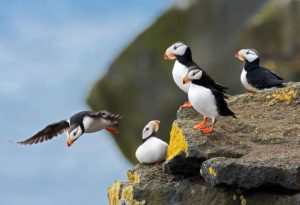
Puffins have become cultural icons, celebrated in folklore, art, and literature. Their endearing appearance and behaviors make them popular attractions for ecotourism. Puffin-watching tours in places like Iceland, Scotland, and Maine offer visitors a chance to witness these birds up close, fostering appreciation and support for conservation efforts.
Conclusion
The puffin is more than just a picturesque seabird; it is a resilient and vital component of coastal ecosystems. From their striking appearance to their impressive adaptations, puffins inspire awe and admiration. However, the challenges they face highlight the urgent need for conservation efforts to protect these birds and their marine habitats. By safeguarding puffins, we contribute to the health and balance of the ocean, ensuring that future generations can marvel at the charm and wonder of these “clowns of the sea.”


