
The Beauty and Mystery of Black Animals: Symbolism, Adaptation, and Wildlife Diversity
Introduction
In the animal kingdom, color serves many functions—camouflage, mating displays, or warning signals. Among the most striking of these are black animals, whose dark coloration adds an air of elegance, mystery, and often, cultural significance. From the glossy feathers of a raven to the velvety fur of a black panther, these creatures captivate human imagination across folklore, science, and art.
But beyond their aesthetic allure, black animals often serve vital ecological roles and adapt in unique ways to their environments. This article explores the fascinating world of black animals—why they’re black, how they survive, and why they’re celebrated or misunderstood across different cultures.
Why Are Some Animals Black? The Science of Melanism
Black coloration in animals is primarily due to a genetic phenomenon known as melanism—the increased development of the dark pigment melanin in the skin, fur, feathers, or scales.
There are two main types:
-
Adaptive melanism: Provides survival advantages like camouflage or heat absorption.
-
Industrial melanism: A result of environmental changes, like the famous example of the peppered moth during the Industrial Revolution.
Melanism can occur in both vertebrates and invertebrates, and while often rare, it plays an important role in evolution and adaptation.
Notable Black Animals Around the World
1. Black Panther (Melanistic Leopard or Jaguar)
One of the most iconic black animals, the black panther is not a separate species but a melanistic variant of the leopard (Panthera pardus) or jaguar (Panthera onca). Their dark coats help them blend into dense forests, making them formidable nocturnal hunters. Despite their fearsome reputation, black panthers are elusive and often endangered due to habitat loss.
2. Common Raven (Corvus corax)
With jet-black feathers and a distinctive croaking call, the raven is both an intelligent and symbolic bird. Native to the Northern Hemisphere, ravens have long featured in mythology and literature as omens or messengers. Scientifically, they are among the smartest birds, capable of problem-solving and mimicry.
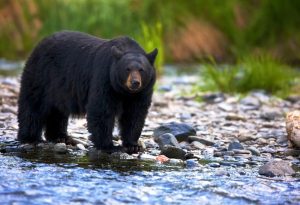
3. American Black Bear (Ursus americanus)
Found throughout North America, the black bear is not always black—some have cinnamon or brown coats. However, true black variants are common in the eastern U.S. and Canada. These omnivores are highly adaptable and often enter suburban areas in search of food.
4. Black Widow Spider (Latrodectus mactans)
Known for the red hourglass mark on its abdomen, the black widow is feared for its venomous bite. Found across the Americas, this spider’s shiny black body is both a warning and a survival trait, signaling danger to predators.
5. Black Mamba (Dendroaspis polylepis)
Despite its name, the black mamba is usually gray or olive in color, but its mouth interior is jet-black—hence the name. Native to sub-Saharan Africa, it’s one of the most venomous and fastest snakes in the world.
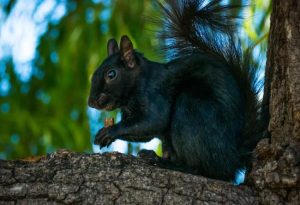
6. Melanistic Squirrels
Black squirrels, a rare sight in some areas, are a melanistic form of the common Eastern gray squirrel. Their dark coloration may help them absorb more sunlight in colder climates and evade predators more effectively in urban settings.
7. Ayam Cemani Chicken
This Indonesian breed is entirely black—feathers, skin, beak, internal organs, and even bones—due to a genetic condition called fibromelanosis. Known as the “Goth chicken,” it’s prized for its rarity and is often associated with rituals and mysticism.
8. Black Swans (Cygnus atratus)
Native to Australia, the black swan defies the common European belief that all swans are white. It’s now also a metaphor for rare and unpredictable events, thanks to its historical role in challenging assumptions.
Black Animals in Culture and Mythology
Black animals often carry deep symbolism—ranging from fear to reverence—depending on cultural context.
-
In Western folklore, black cats were once considered omens of witchcraft or bad luck, while ravens symbolized death or prophecy.
-
In Native American cultures, the black bear is a sacred figure, often representing introspection and strength.
-
In Hinduism, the black cobra is associated with Lord Shiva and is seen as a guardian and protector.
-
In African traditions, the black panther is a symbol of power, courage, and mystery.
While superstition has led to fear or misunderstanding of black animals, modern appreciation is shifting toward admiration and respect.
Ecological Roles and Survival Advantages
Black coloration offers a range of ecological benefits:
-
Camouflage: In forested or rocky environments, black fur or feathers can help animals blend in and hunt or hide more effectively.
-
Thermal Regulation: Darker animals absorb more heat, which can be advantageous in colder climates.
-
Intimidation: A sleek black coat may serve as a warning signal, especially in venomous creatures like snakes and spiders.
In addition, black animals often play essential roles in their ecosystems, such as controlling pests, dispersing seeds, or maintaining predator-prey balance.
Conservation Concerns
Many melanistic animals are rare and may face threats due to:
-
Habitat destruction
-
Climate change
-
Poaching and illegal wildlife trade
-
Human-wildlife conflict
For example, the melanistic jaguar, often called the black panther in Latin America, is listed as near threatened due to habitat fragmentation in the Amazon. Similarly, black bears increasingly venture into urban areas due to loss of natural food sources.
Organizations like the World Wildlife Fund (WWF), IUCN, and regional wildlife departments work to protect these animals through education, research, and conservation programs.
Admiration and Modern-Day Awareness
Today, black animals are being reimagined in a more positive light:
-
In fashion and art, their sleek aesthetics are celebrated.
-
In branding, animals like black panthers and ravens represent strength and intelligence.
-
In literature and film, black animals often serve as symbols of resilience or transformation.
Social media has also played a role in highlighting the beauty of black animals, with photographers and wildlife enthusiasts sharing rare sightings and educational content to raise awareness.
Conclusion
Black animals are a remarkable and essential part of the world’s biodiversity. Their dark hues may symbolize mystery or elegance, but beyond appearances, these creatures reflect nature’s adaptability and complexity. From panthers in rainforests to ravens in arid deserts, they teach us that nature thrives in diversity—even when it’s cloaked in shadows.
As we continue to understand and admire these animals, it’s crucial to protect their habitats and correct the myths that have long surrounded them. Whether you spot a black squirrel in your backyard or marvel at the elegance of a black swan in flight, remember—black is not just a color in the wild; it’s a testament to survival, strength, and beauty.
FAQ: Black Animals – Symbolism, Adaptation, and Wildlife Diversity
1. Why are some animals black in color?
Black coloration is often caused by melanism, a genetic trait that increases dark pigmentation and may offer survival advantages like camouflage or heat absorption.
2. Are black animals rare?
Some black animals, especially melanistic versions of common species, are rare. Examples include black panthers, black squirrels, and Ayam Cemani chickens.
3. What do black animals symbolize in different cultures?
They can represent mystery, power, protection, or fear—depending on cultural context. For example, black cats are seen as bad luck in some cultures and good luck in others.
4. Do black animals have any special ecological roles?
Yes. Like all wildlife, black animals contribute to ecosystem balance, often serving as predators, scavengers, or seed dispersers.
5. Are black animals more endangered than others?
Not necessarily due to their color, but melanistic variants can face additional challenges due to rarity and myths, making conservation awareness important.