
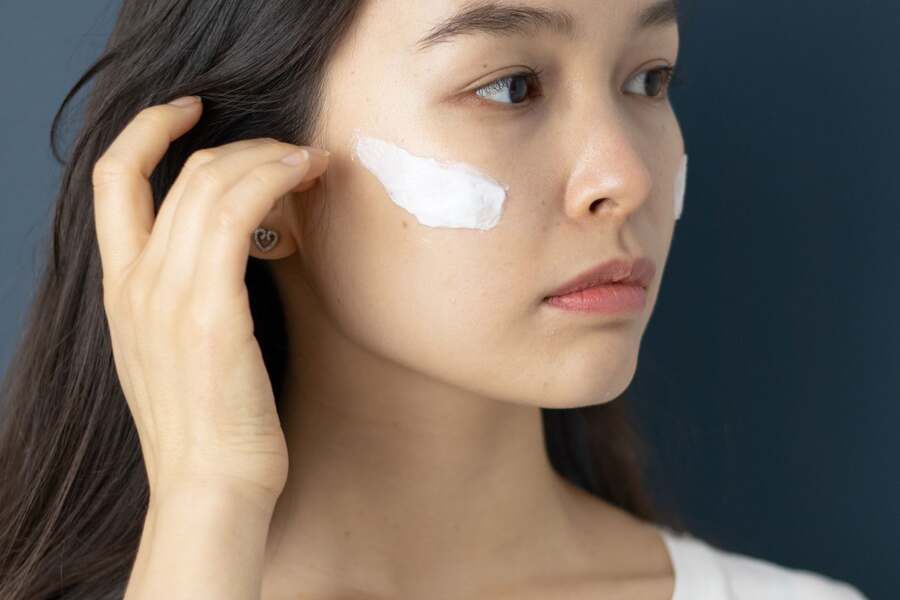
Benefits of Using Lactic Acid Moisturisers for Healthy Skin
Lactic acid has gained significant recognition in the skincare industry for its effective exfoliating and hydrating properties. As an alpha hydroxy acid (AHA), lactic acid naturally occurs in sour milk and is known for its ability to improve skin texture and appearance. When incorporated into moisturisers, it offers several benefits that contribute to healthier, smoother skin.
What is Lactic Acid?
Lactic acid belongs to the family of AHAs, which are widely used in dermatology and cosmetic products for skin exfoliation. It works by breaking down dead skin cells on the surface, promoting cell turnover and revealing fresher skin underneath. Uniquely, lactic acid also has moisturising properties, distinguishing it from other exfoliants that can sometimes dry the skin.
The Role of Moisturisers Containing Lactic Acid
A lactic acid moisturiser is designed to provide hydration while simultaneously encouraging gentle exfoliation. This dual action is beneficial because it helps maintain the skin’s moisture barrier, preventing dryness and irritation that can sometimes accompany exfoliation.
Gentle Exfoliation
Lactic acid is a milder AHA compared to glycolic acid. This makes lactic acid moisturisers suitable for individuals with sensitive or dry skin who may not tolerate harsher exfoliants. Regular use can improve skin texture by removing dead skin cells without causing redness or excessive peeling.
Improvement in Skin Hydration
Unlike some exfoliants that may strip the skin of its natural oils, lactic acid moisturisers enhance hydration. Lactic acid has water-binding properties that help the skin retain moisture. This results in a plumper and more radiant complexion, especially important for ageing or dehydrated skin types.
Reduction of Fine Lines and Wrinkles
Exfoliation with lactic acid stimulates collagen production in the skin. Collagen is a structural protein essential for skin firmness and elasticity. By increasing collagen synthesis, lactic acid moisturisers can reduce the appearance of fine lines and wrinkles over time, contributing to a more youthful look.
Evening Skin Tone
Uneven skin tone, often caused by sun damage or pigmentation, can be diminished with the use of lactic acid moisturisers. By promoting the shedding of pigmented dead skin cells, these products encourage a more uniform complexion. This effect is particularly beneficial for individuals dealing with hyperpigmentation or dull skin.
Who Can Benefit Most from Lactic Acid Moisturisers?
People with dry, sensitive, or ageing skin types generally see the greatest advantages from lactic acid moisturisers due to their gentle exfoliating and hydrating properties. Additionally, those aiming to improve skin texture and brightness without intense chemical peels may find these products highly effective.
Integration into Skincare Routines
Incorporating a lactic acid moisturiser into a daily skincare routine is straightforward. Typically, these moisturisers are applied after cleansing and toning, offering exfoliation and moisturisation in one step. However, it is advisable to use a sunscreen during the day since AHAs can make the skin more sensitive to UV rays.
Combination with Other Skincare Ingredients
Lactic acid moisturisers can be combined with other beneficial skincare ingredients such as hyaluronic acid, niacinamide, and ceramides. These combinations can enhance hydration, improve barrier function, and further support skin renewal. It is important to patch-test when combining active ingredients to avoid irritation.
Scientific Evidence Supporting Lactic Acid
Clinical studies have demonstrated that lactic acid effectively improves skin smoothness and moisture content. Research indicates that lactic acid-containing formulations increase cell turnover rates, improve pigmentation irregularities, and promote epidermal barrier repair. These findings validate the use of lactic acid in daily moisturisers for healthier skin.
Safety Profile
Lactic acid is generally considered safe for topical use at appropriate concentrations found in moisturisers. Nonetheless, users should start with lower concentrations to gauge skin tolerance and discontinue use if excessive irritation occurs. Consulting a dermatologist is advisable when introducing acids into a skincare regimen.
Comparing Lactic Acid to Other AHAs
Though glycolic acid is a popular AHA, lactic acid tends to be less irritating due to its larger molecular size, which penetrates the skin more slowly. This slower penetration contributes to fewer side effects, making lactic acid moisturisers more suitable for regular, continuous use.
Choosing the Right Lactic Acid Moisturiser
When selecting a lactic acid moisturiser, it is important to consider the concentration of lactic acid, as well as the formulation’s compatibility with your skin type. Products with around 5 to 10 per cent lactic acid achieve effective exfoliation without excessive risk of irritation. Additionally, moisturisers that include soothing agents and antioxidants provide enhanced care.
Conclusion
Lactic acid moisturisers represent a valuable addition to skincare routines, especially for those seeking gentle exfoliation paired with hydration. By promoting cell turnover, improving skin texture, enhancing moisture retention, and evening out skin tone, these products aid in maintaining healthy and youthful skin. Selecting formulations specifically designed to suit individual skin needs, while incorporating sun protection, ensures optimal results from lactic acid moisturisers.