Effective Solutions for Crowded Teeth with Invisalign
Crowded teeth represent a common dental concern that affects individuals of various age groups. This condition occurs when there is insufficient space within the jaw for all teeth to fit properly. As a result, teeth may overlap, twist, or become misaligned, which can complicate oral hygiene and impact overall dental health. Understanding the available treatment options is essential to addressing crowded teeth effectively and maintaining a healthy, attractive smile.
Understanding Crowded Teeth
Crowded teeth arise due to discrepancies between jaw size and tooth size. When the jaw is too small to accommodate the full set of teeth, they may shift or overlap, causing misalignment. This issue not only affects aesthetics but can also lead to practical problems such as difficulty cleaning between teeth and an increased risk of tooth decay and gum disease. Moreover, crowded teeth may contribute to discomfort or problems with bite alignment.
Various factors can contribute to the development of crowded teeth. Genetics plays a significant role, as hereditary traits influence jaw and tooth size. Early loss of primary teeth, thumb sucking during childhood, or prolonged use of a pacifier may also affect dental alignment. Regardless of the cause, correcting crowded teeth improves both oral function and appearance.
Traditional Solutions for Crowded Teeth
Orthodontic treatment has traditionally been the most effective approach to correcting crowded teeth. Conventional metal braces have long been utilised to gradually move teeth into proper alignment. While effective, braces can be associated with discomfort and aesthetic concerns, as they are highly visible and may affect daily routines, including eating and oral hygiene.
Additional options include dental veneers or crowns in mild cases, which can mask the appearance of crowding without addressing the underlying alignment. However, these solutions do not correct bite issues and are primarily cosmetic. Extracting teeth to create space is sometimes considered; however, this approach is invasive and can have other dental consequences.
Invisalign: A Modern Approach to Crowded Teeth
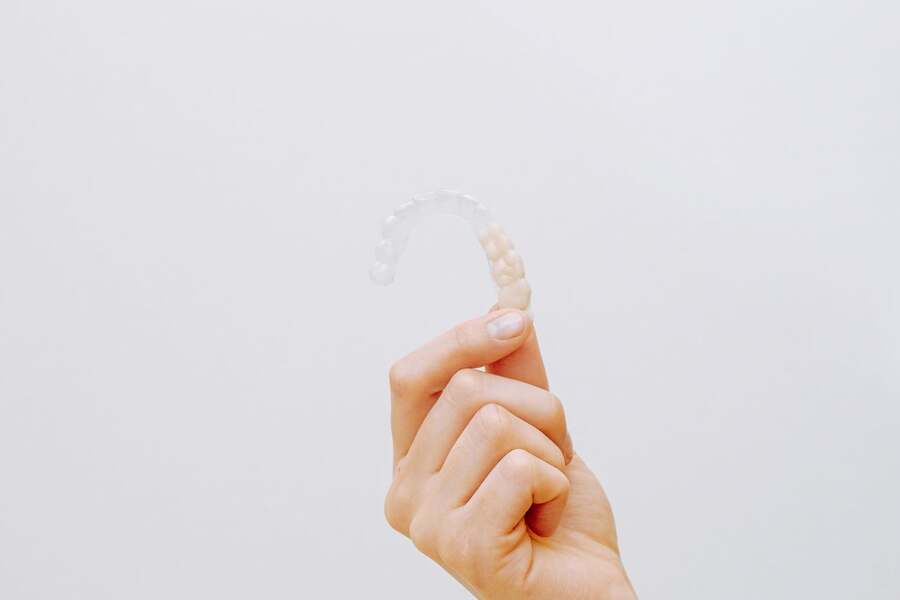
Advancements in orthodontic technology have yielded discreet and effective treatment options such as Invisalign. This system utilises a series of clear, removable aligners to gradually shift teeth into the desired position. Invisalign offers an alternative to traditional braces, providing a more comfortable and aesthetically pleasing option for patients with crowded teeth.
The aligners are custom-made using advanced 3D imaging technology to fit the patient’s dentition precisely. Each set of aligners is typically worn for about two weeks before moving on to the next stage in the treatment plan. This phased approach allows for gradual correction of crowding without causing significant discomfort or disruption.
Benefits of Invisalign for Crowded Teeth
One of the primary advantages of Invisalign is its near-invisibility. Patients can undergo treatment without the noticeable appearance of metal braces, which can be a significant consideration for adults and teenagers alike. This feature encourages compliance and enhances patient satisfaction throughout the process.
Furthermore, the removable nature of Invisalign aligners facilitates better oral hygiene. Unlike fixed braces, patients can take out the aligners to brush and floss normally, reducing the risk of plaque accumulation and maintaining healthier gums. This ease of cleaning is particularly beneficial during orthodontic treatment when teeth are more vulnerable to decay.
Invisalign aligners also allow for greater comfort compared to traditional brackets and wires. The smooth plastic trays minimise irritation to the cheeks and gums, which is a common complaint among brace wearers. Additionally, the lack of metal components reduces the likelihood of emergency dental visits due to broken wires or brackets.
Effectiveness of Invisalign for Crowded Teeth
Clinical studies and patient case reports have demonstrated that Invisalign is effective in treating mild to moderate crowding. The system’s digital treatment planning enables precise movement of teeth, ensuring predictable results. Although the duration of treatment varies depending on individual conditions, many patients achieve their desired alignment within a comparable timeframe to traditional braces.
It is important to note that severe cases of crowding may still require supplemental orthodontic procedures or alternative methods. A thorough dental assessment will determine the suitability of Invisalign for each patient based on the extent of crowding and other oral health factors.
Consultation and Treatment Planning
Seeking professional evaluation from a qualified dental practitioner is the first step in addressing crowded teeth. Dentists or orthodontists can assess dental structure and recommend the most appropriate treatment option, whether that involves Invisalign or other interventions.
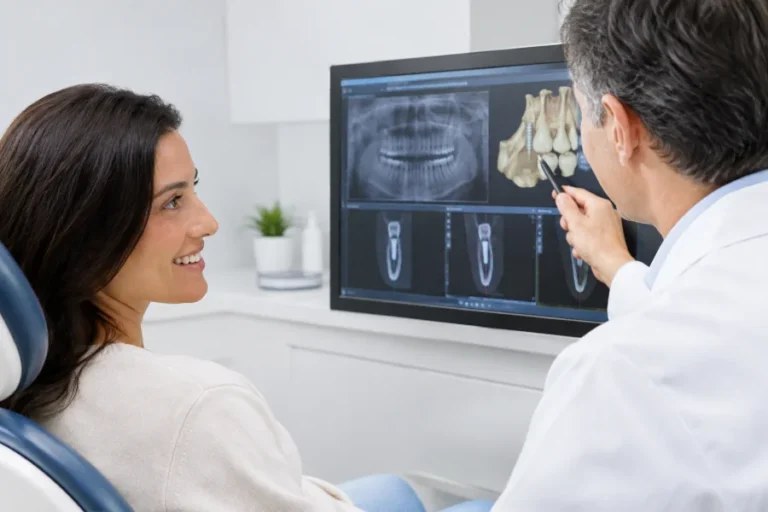
During a consultation, digital impressions and X-rays may be taken to create an accurate model of the teeth. This data forms the basis for designing the custom aligners and developing a treatment timeline. Patients receive detailed information about expected outcomes, care instructions, and any necessary lifestyle modifications during treatment.
Maintaining Results After Treatment
Correcting crowded teeth is only part of the process; maintaining dental alignment post-treatment is essential. Most orthodontic plans include the use of retainers following the completion of Invisalign therapy. Retainers are designed to hold teeth in their new positions while the bone and gums adapt, preventing relapse.
Adherence to retainer wear and ongoing dental check-ups contribute to long-term treatment success. Patients are encouraged to maintain good oral hygiene and follow professional advice to preserve the health and appearance of their smile.
Accessing Invisalign Treatment
Individuals interested in resolving crowded teeth through Invisalign can find reputable providers with expertise in this treatment modality. Locations such as dental clinics specialising in orthodontics offer comprehensive assessments and tailored care plans.
For example, one may explore options like those available at crowded teeth treatment services, which provide detailed assessments and customised Invisalign solutions. These clinics employ experienced dental professionals who support patients throughout the journey to improved dental alignment.
Conclusion
Tackling crowded teeth is essential to promoting oral health, functionality, and aesthetics. Invisalign presents a modern, effective approach for managing this common orthodontic issue, particularly in cases of mild to moderate crowding. Its discreet appearance, comfort, and convenience make it a favourable alternative to traditional braces.
Engaging with a qualified dental professional for assessment and customised treatment planning ensures the best possible outcomes. Following treatment with appropriate maintenance strategies further secures lasting benefits. Advances such as Invisalign improve access to orthodontic care, making it easier for individuals to achieve optimal dental alignment and enjoy a confident smile.