
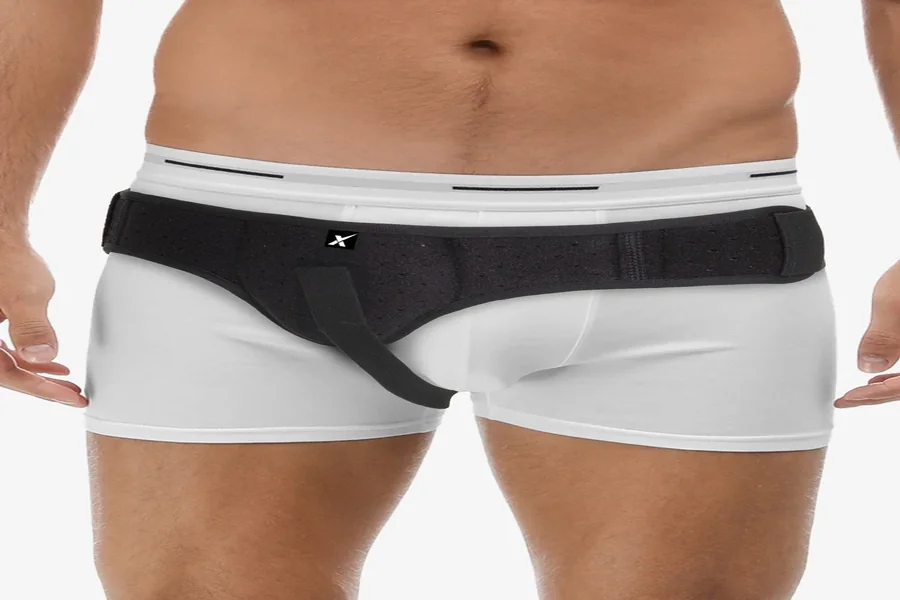
Abdominal Belt for Hernia: Can It Provide Temporary Support?
It’s possible you notice a gentle bulge in your abdomen or groin when you cough or stand for a prolonged period and it starts to stretch or ache.
And after seeing the doctor you might be diagnosed with a hernia and suddenly you are asking how to get through the days to come and if surgery is not scheduled immediately. That’s when an abdominal belt comes into a play.
An abdominal belt is one of the most commonly asked about aids in this situation. The honest answer is that a belt can offer temporary comfort and support for some people with hernia. It doesn’t fix the hernia and it isn’t right for everyone.
In this guide, we will explain what a belt can and can’t do. It may help you know situations where it may help in and how to use one safely.
Let’s dive in!
What Is a Hernia?
A hernia is a bulge of tissue that lies as a part of an organ through a weak point in the muscle that surrounds it. The majority of hernias appear in the abdomen and groin and can be felt as a lump.
Herniation is when tissue pushes through a weak part of a muscle wall. Most lumps aren’t problematic but they should be checked by a health care professional or operated to prevent problems.
Common Types of Hernias
-
Umbilical Hernia
Occurs when part of the intestine pushes through the abdominal wall right near the belly button. This is common in newborns, pregnant women and individuals with high abdominal pressure.
-
Inguinal Hernia
The most common type, occurring in the groin. It happens when the intestine or fatty tissue pushes into the inguinal canal, often causing a bulge that can extend into the scrotum in men.
-
Femoral Hernia
Similar to an inguinal hernia but located lower down, in the upper thigh or outer groin. It is much less common and primarily affects older women.
-
Incisional Hernia
Develops along the site of a past surgical scar where the abdominal muscles were weakened by an incision.
-
Hiatal Hernia
A unique type where the upper part of the stomach pushes upward into the chest cavity through a small opening in the diaphragm, often causing severe acid reflux or heartburn.
Common Symptoms
- Visible lump
- Dull ache
- Burning sensation
- Feeling heavy around the bulge
- Bulge which can disappear
Can An Abdominal Belt Provide Temporary Support For Hernia?
Yes, an abdominal support belt will give strong temporary support to the hernia by providing an external muscle wall to maintain the contents back inside.
It is very important to note that a belt is only a short term management tool to ease pain. It cannot treat or heal the problem.
-
Prevents Protrusion Under Pressure
Coughing or sneezing can increase the abdominal pressure which further pushes the hernia out. A tight belt actually pushes back on the tissue, keeping it from popping out.
-
Lowers pain
By holding the tissue securely within the abdomen, the belt relieves the sensation of heaviness.
-
Improves Daily Mobility
It allows you to go about your daily life like walking, sitting at a desk or doing any other mundane activity, without having that sensation that the hernia.
What An Abdominal Belt Cannot Do?
Heal a Hernia
It will never close the physical tear in your muscle wall, hernias require surgery to permanently repair.
Rebuild Core Strength
It does the opposite. Relying on it can cause your natural muscles to weaken from muscle atrophy.
Permanently Flatten Fat
It provides temporary compression under clothing, but it does not cause permanent weight loss.
Fix an Incarcerated Hernia
It cannot safely treat a hernia that is stuck outside the muscle wall. In fact, compressing a trapped hernia can cause a life-threatening medical emergency.
Who Might Benefit From The Belt?
1. Patients Recovering from Major Abdominal Surgery
The belt can be used in recently undergone procedures like:
- C-section
- Hysterectomy
- Tummy tuck
- Abdominoplasty
- Bariatric surgery
- Spinal surgery
It applies even compression and reduces pulling on healing incisions. It stabilizes the core so that patients can move easily without pain or fluid accumulating in the abdomen.
2. People with Manageable Hernias
You’ll need a belt to be a pressure pad over an umbilical or incisional hernia to keep the pressure right where it needs to be. It keeps your intraperitoneal tissue down and your hernia from protruding outward when you cough or strain.
3. Postpartum Mothers
If you recently had a baby and your core walls are overstretched, your tummy and pelvic instability or stomach wall has separated. The binder offers mechanical support to the areas of abdomen and pelvis. It secures the middle of the stomach as internal organs settle into their natural location.
4. Individuals with Postural Issues
Individuals who suffer from a lower back strain and work in desk jobs that require lots of slouching and bad posture. Manual workers who constantly lift heavy objects.
Heavy duty belts with stiff vertical strips help create inward pressure in the intra-abdominal cavity. This decompresses the spine and physically stops the torso from twisting and transfers the physical work load onto the thicker muscles of the lower back.
How To Wear A Belt For Hernia Support?
-
Position the Hernia Pad
Take your specialized hernia belt and attach the firm silicone or foam compression pad to the inside of the binder. Position it so it lines up exactly with where your bulge sits on your skin.
-
Lie Completely Flat on Your Back
Rest flat on your bed or a firm surface for two to three minutes before fastening the belt. Never apply a hernia belt while standing up.
-
Ensure the Hernia is Flattened
You want gravity working to make the bulge back into your tummy while you’re lying down.
-
Center and Fasten the Belt
Underneath your lower back, loosen the binder and pull the binder up. Wrap the front panels around your belly and push the compression pad onto the flattened hernia site. Pull the straps to feel comfortable as well as secure the Velcro to seal.
-
Stand Up and Test
Stand up slowly. The belt should feel like a firm supportive wall holding your stomach. The bulge should stay completely hidden and contained when you cough or take a deep breath
Wrapping Up
An abdominal belt can provide temporary support for the hernia patients due to their firm structural support. For some people, with a confirmed diagnosis and doctor’s approval the belt can be used to ease the discomfort.
It can offer reassurance while you wait for the surgery to happen. It cannot fully heal the underlying condition or completely stop the complicated symptoms arising due to it. But in order to lessen the severity of it, the abdomen belt can work alongside the healthcare provider’s advice. That’s the safest way to use it comfortably while you are looking for a lasting solution for hernia.


