
How to Build a Better Hunting Camp Tailgate
A hunting camp tailgate can be as simple as coffee beside a truck or as organized as a full afternoon meal with family and friends. The best version is not the one with the most gear. It is the one that provides everyone with a comfortable place to gather, keeps essential activities separate, and leaves the site in good shape when the day is over.
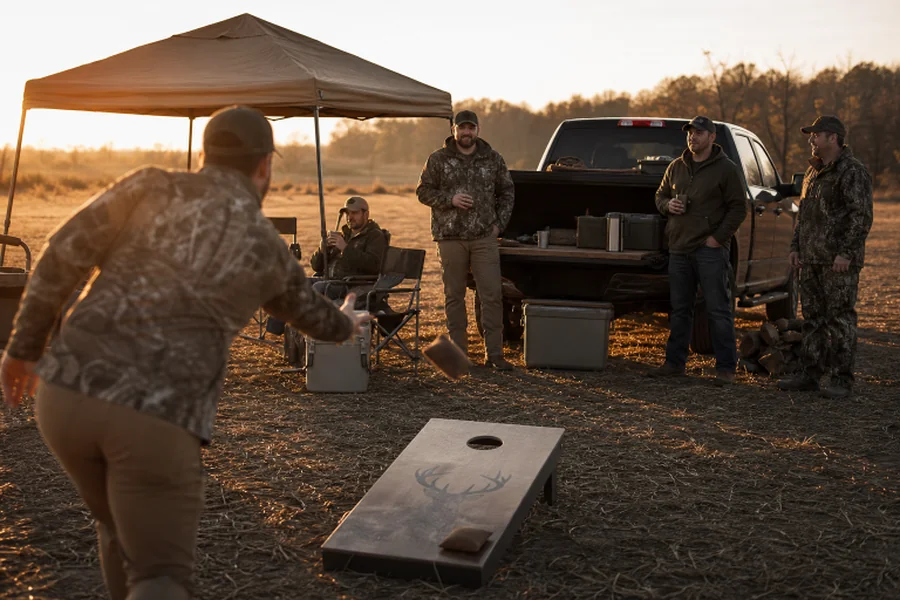
One easy way to make the social side of camp more inviting is to bring a familiar game that fits the setting. Hunting cornhole from Cornhole Worldwide gives groups hunting and camping-themed board options for tailgates and campsites. Cornhole Worldwide is based in Cleves, Ohio, and specializes in cornhole boards, bags, custom designs, and related outdoor game equipment for customers across the United States, making its hunting collection a practical fit for an outdoor-focused gathering.
Start With a Simple Camp-Day Plan
A short plan prevents the most common tailgate problems: forgotten supplies, a crowded serving area, and too many people trying to do the same job. Before anyone leaves, confirm the location, arrival time, expected weather, expected group size, and departure time for everyone.
Divide the day into three simple phases:
- Arrival and setup: Park safely, inspect the ground, raise the shelter, and establish cooking and activity areas.
- Food and social time: Serve meals, rest, trade stories, and enjoy low-pressure activities.
- Cleanup and departure: Pack food, gather trash, check equipment, and walk the site before leaving.
Assign a few small responsibilities in advance. One person can manage food, another can monitor the fire or grill, and another can handle trash bags and final gear checks. Clear ownership helps the group relax.
Choose a Safe and Practical Location
A truck-side setup, established campground, private property, and designated recreation area can all work well. Choose based on access, parking, level ground, shade, restroom availability, and the group’s ability to communicate if plans change. Review the applicable property rules before bringing a grill, generator, temporary shelter, or alcohol.
Keep vehicles clear of roads, gates, walkways, and emergency access. If the group is meeting before or after a hunt, establish a separate place for firearms and gear before chairs, food, and games begin to fill the area.
Build the Setup Around Comfort
Comfort comes from a useful layout, not expensive upgrades. Bring folding chairs, a canopy or rain shelter, a stable table or tailgate serving surface, coolers, lighting, hand-cleaning supplies, and extra layers or blankets when temperatures may change.
Set cooking equipment downwind when possible, and keep it away from chairs, dry vegetation, fuel containers, children, and active games. Check for mud, loose gravel, roots, or standing water before placing tables and chairs. A few minutes spent planning the layout can make the entire gathering easier to manage.
Plan Food That Works Outdoors
Choose meals that are easy to transport, serve, and clean up. Chili, breakfast burritos, grilled sandwiches, fruit, trail mix, and slow-cooker dishes are flexible choices for many camp schedules. Use separate coolers or clearly marked sections for drinks, raw ingredients, prepared food, and ice.
Follow safe tailgating food practices by keeping raw and cooked foods apart, packing clean utensils, using a food thermometer, and keeping perishable food cold until it is ready to cook. Wash your hands before preparing or serving food, cover prepared dishes, and pack leftovers promptly.
Outdoor Food Checklist
- Keep cold food chilled in a cooler with ice or cold packs.
- Use separate cutting boards, platters, and utensils for raw meat and ready-to-eat food.
- Cook the meat thoroughly and verify the temperature with a thermometer.
- Keep serving areas clean and covered when possible.
- Return leftovers to cold storage soon after the meal.
Add Activities That Fit the Group and Space
A camp tailgate does not need a packed activity schedule. Storytelling, cards, horseshoes, ladder toss, cornhole, and other simple games give people something to do while food is prepared. Pick activities with clear rules that guests of different ages and experience levels can join without much instruction.
Measure the available area before loading large games. Clear rocks, roots, holes, and loose gear from the play zone. Keep spectators outside the throwing path, create visible boundaries, and store unused equipment away from foot traffic. Pause games if darkness, rain, or poor visibility makes the area unsafe.
Use a Theme Without Overdoing It
A simple theme can make a camp tailgate feel intentional without turning it into a production. Earth-tone table covers, reusable signs, labeled coolers, storage bins, and a few camp-oriented decorations are enough. Focus on useful items that also help people find food, water, trash, and supplies.
The goal is a gathering that reflects the group, whether that means a family deer camp, a season-opening breakfast, or a post-hunt cookout. Practicality should always come before decoration.
Keep Safety at the Center
Store firearms unloaded and secured when they are not actively being used in a lawful hunting activity. Keep ammunition, knives, fuel, grills, and vehicles out of the social area. Alcohol should never be mixed with firearm handling or vehicle operation.
Prepare for weather changes with water, first-aid supplies, flashlights, spare batteries, phone chargers, and a way to contact emergency services. If lightning, high wind, extreme heat, slippery ground, or cold exposure becomes a concern, stop the activity and move people to a safer place.
Respect the Land and Other Outdoor Users
Follow posted rules, remain within approved areas, keep noise to a reasonable level, and avoid disturbing nearby homes, campsites, trails, or wildlife. The principles for reducing outdoor impacts offer a useful standard: plan ahead, use durable surfaces, dispose of waste properly, respect wildlife, and be considerate of others.
Pack out food scraps, cans, plastic, damaged gear, and small pieces of packaging. Do not assume someone else will handle what gets left behind. A clean site is part of being a good guest on private land and a responsible user of public land.
Make Cleanup Part of the Schedule
Begin cleanup before everyone is tired and ready to leave. Put trash bags, paper towels, recycling containers, and storage bins where people can see them. Before loading vehicles, inspect the ground for bottle caps, food scraps, zip ties, wrappers, game pieces, and damaged equipment.
Common Questions
What should a hunting camp tailgate include?
Start with safe parking, seating, shade or shelter, food, water, lighting, trash bags, hand-cleaning supplies, a first-aid kit, and one or two simple activities.
What is the most common setup mistake?
Poor space planning creates many avoidable problems. Keep cooking, parking, games, walkways, and firearm storage areas separate from the beginning.
Final Checklist
- Confirm the location, group plan, and property rules.
- Check the weather and pack for changing conditions.
- Bring food, water, ice, shelter, seating, lighting, and first-aid supplies.
- Separate cooking, parking, games, and firearm areas.
- Assign setup and cleanup tasks.
- Pack out every item brought to the site
A better hunting camp tailgate is built on clear planning, simple comforts, safe habits, and respect for the place that hosts it. When those basics are handled well, the gathering becomes an enjoyable tradition that people look forward to every season.


