Safari Animals: Majestic Creatures of the African Wilderness
Introduction
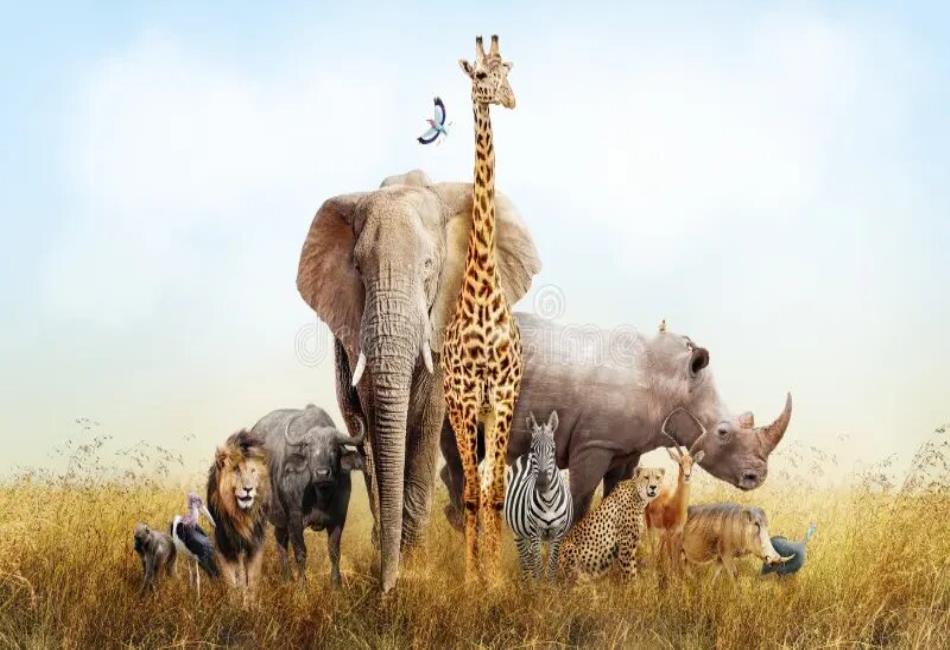
A safari is one of the most exhilarating experiences for nature lovers and adventure seekers. Originating from the Swahili word “safiri,” meaning “to journey,” safaris today typically refer to wildlife expeditions across the vast savannas and national parks of Africa. Central to this experience are the breathtaking safari animals—creatures that roam freely in their natural habitats, offering a glimpse into the wild unlike any zoo or documentary ever could. This article explores the most iconic safari animals, their behaviors, habitats, and the role they play in African ecosystems.

1. The Big Five
The term “Big Five” was originally coined by big-game hunters and refers to the five most difficult animals to hunt on foot. Today, these animals are the most sought-after sightings for tourists and photographers alike.
a. Lion
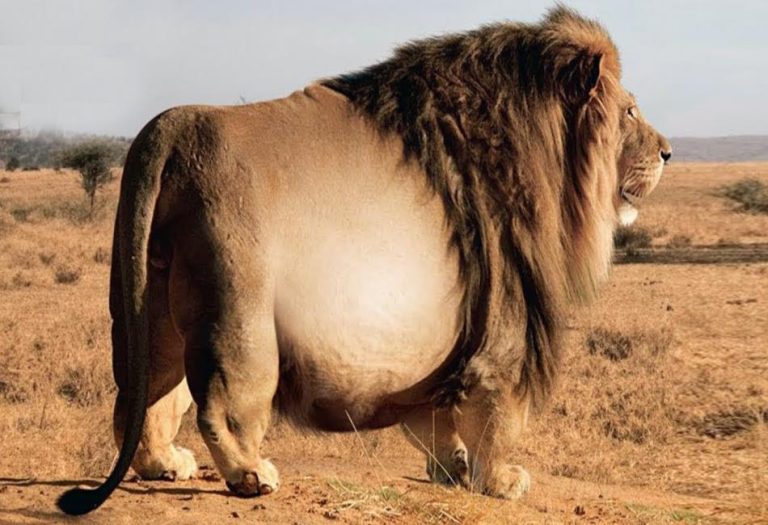
Known as the “King of the Jungle” (though they live in savannas), lions are powerful carnivores that live in prides. Male lions are distinguished by their majestic manes, while lionesses are the primary hunters. Lions are mostly found in countries like Kenya, Tanzania, Botswana, and South Africa.
b. Leopard
Leopards are elusive and solitary big cats known for their spotted coats and exceptional stealth. They are excellent climbers and often drag their prey up into trees to avoid scavengers. Seeing a leopard on safari is a rare treat due to their shy nature.
c. Elephant
The African elephant is the largest land animal on Earth. These gentle giants are highly intelligent and social, often moving in tight family groups led by a matriarch. They are keystone species, meaning their presence is vital for the health of their ecosystem.
d. Rhinoceros
Both black and white rhinos are seen on safaris, though they are increasingly rare due to poaching. Rhinos have thick skin and prominent horns, and they spend a lot of time grazing or wallowing in mud to cool off and protect their skin.
e. Cape Buffalo
Also known as the African buffalo, this animal is known for its unpredictable temperament. It lives in large herds and is often found near water sources. Though herbivorous, it is considered one of the most dangerous animals in Africa due to its strength and aggression when threatened.
2. Other Iconic Safari Animals
Beyond the Big Five, Africa’s wildlife is incredibly diverse. Each animal plays a role in the intricate web of life on the continent.
a. Giraffe
Standing up to 18 feet tall, giraffes are the tallest land animals. They use their long necks to browse on acacia trees and have a graceful gait that makes them mesmerizing to watch. Giraffes live in loosely structured herds and are generally non-aggressive.
b. Zebra
With their distinctive black and white stripes, zebras are among the most recognizable safari animals. They are social animals that often live in harems and are known for their loud brays and strong kicks used for defense.
c. Cheetah
The cheetah is the fastest land animal, capable of reaching speeds up to 70 mph in short bursts. Unlike other big cats, cheetahs hunt during the day and rely on speed rather than stealth. Their slender bodies and tear-streaked faces make them unique among predators.
d. Hippopotamus
Though they appear docile, hippos are among the most dangerous animals in Africa. They spend most of their time submerged in rivers and lakes to stay cool, emerging at night to graze on land. Hippos are fiercely territorial in water and can be highly aggressive.
e. Warthog
Warthogs are wild pigs known for their distinctive tusks and facial warts. They are often seen kneeling on their front legs while grazing. Despite their awkward appearance, warthogs are fast runners and can be surprisingly aggressive when threatened.
3. Birds of the Safari
Africa is a birdwatcher’s paradise, home to over 2,000 species of birds. On safari, you might encounter:
-
Ostriches – The largest bird in the world, flightless but incredibly fast.
-
Secretary Birds – Known for their long legs and snake-hunting prowess.
-
Lilac-breasted Roller – Famous for its dazzling plumage and acrobatic flight.
-
Hornbills – Recognizable by their large, curved bills and comical calls.
4. Reptiles and Amphibians
Although less celebrated, reptiles are a key part of the safari experience.
-
Nile Crocodile – These formidable predators can grow over 20 feet and lie in wait for unsuspecting prey at the water’s edge.
-
Monitor Lizards – Large, carnivorous reptiles often seen basking in the sun.
-
Various Snakes – Including the African rock python, puff adder, and the highly venomous black mamba.
Amphibians like frogs and toads are harder to spot but play important roles in insect control and as indicators of environmental health.
5. Safari Ecosystems
Safari animals inhabit a variety of landscapes, including:
-
Savannas: Dominated by grasses and scattered trees, home to lions, elephants, and zebras.
-
Woodlands: Offering denser cover, ideal for leopards and kudu.
-
Wetlands and Rivers: Vital for hippos, crocodiles, and water birds.
-
Deserts and Semi-Arid Regions: Adapted species like oryx, meerkats, and desert foxes thrive here.
6. Conservation and Threats
Many safari animals face threats from habitat loss, poaching, and climate change. Conservation efforts are critical and include:
-
Anti-poaching patrols
-
Community-based tourism that shares revenue
-
Protected areas like Serengeti National Park, Kruger National Park, and the Okavango Delta
-
Breeding programs and wildlife corridors
Ecotourism plays a vital role in conservation by funding these efforts and raising awareness.
7. Tips for Safari Goers
-
Best time to go: The dry season (June to October) is ideal as animals gather around water sources.
-
Clothing: Neutral-colored, breathable clothing and sun protection are essential.
-
Gear: Bring binoculars, a good camera, and insect repellent.
-
Respect wildlife: Never feed or approach animals. Follow your guide’s instructions.

Conclusion
Safari animals are the stars of Africa’s wilderness, drawing millions of visitors each year to witness their raw beauty and natural behavior. Whether you’re marveling at a herd of elephants marching across the plains, watching a cheetah chase its prey, or catching a glimpse of a leopard lounging in a tree, the magic of safari animals lies in their untamed spirit. With responsible tourism and ongoing conservation, we can ensure these magnificent creatures continue to thrive for generations to come.
FAQ – Safari Animals: Majestic Creatures of the African Wilderness
Q1: What are the Big Five safari animals?
The Big Five include the lion, leopard, elephant, rhinoceros, and Cape buffalo—originally named for being the most challenging animals to hunt on foot.
Q2: Where can I see safari animals in Africa?
Popular safari destinations include Serengeti National Park (Tanzania), Masai Mara (Kenya), Kruger National Park (South Africa), and the Okavango Delta (Botswana).
Q3: Are safaris safe for tourists?
Yes, safaris are generally safe when guided by experienced rangers and tour operators who follow strict safety protocols.
Q4: What animals are unique to African safaris?
In addition to the Big Five, you may see giraffes, zebras, cheetahs, hyenas, hippos, warthogs, ostriches, and various reptiles and birds.

Q5: When is the best time to go on safari?
The dry season (June to October) is typically best for wildlife viewing, as animals gather near water sources and vegetation is less dense.
Q6: What animal lives in the safari?
Many animals live in the safari, including iconic species like lions, elephants, giraffes, zebras, leopards, rhinos, and cheetahs. You can also find animals such as wildebeests, warthogs, hyenas, ostriches, and hippos, all thriving in Africa’s diverse ecosystems like savannas, grasslands, and riverbanks.
Q7: What is the largest safari animal?
Yes, the animals featured in the Singapore Night Safari are real. As the world’s first nocturnal zoo, the Night Safari offers visitors a unique opportunity to observe over 900 animals from more than 100 species in their naturalistic habitats during nighttime hours .
The park is designed to showcase the behaviors of nocturnal animals in environments that closely resemble their natural habitats. Using subtle lighting that mimics moonlight, the Night Safari allows guests to see animals such as leopards, hyenas, elephants, and clouded leopards as they are most active .
While the vast majority of exhibits feature live animals, it’s worth noting that some visitors have reported encountering animatronic displays or statues, particularly in areas designed for thematic storytelling or educational purposes . These are typically used to enhance the immersive experience and are clearly distinguishable from the live animal exhibits.
In addition to the animal exhibits, the Night Safari hosts the “Creatures of the Night” show, where trained animals like otters and fennec foxes demonstrate natural behaviors, providing both entertainment and education about wildlife conservation .
Overall, the Singapore Night Safari offers an authentic and engaging experience with real nocturnal animals, making it a must-visit for wildlife enthusiasts.