
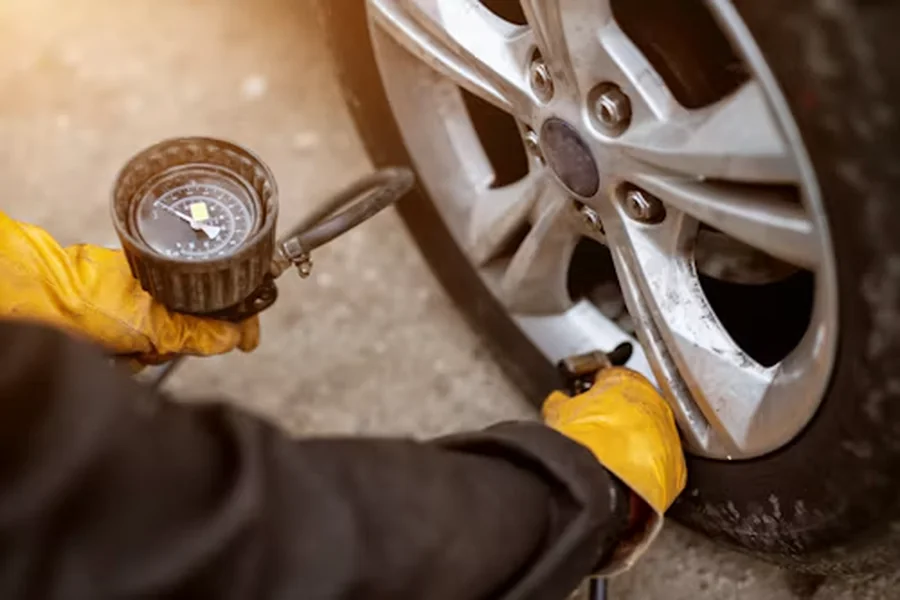
How a Hydraulic Tire Bead Breaker Can Simplify Tire Maintenance
Changing a tire involves more than removing the wheel and fitting a replacement. One of the first challenges is separating the tire bead from the wheel rim. The bead forms a tight seal that keeps the tire properly seated. Over time, pressure, corrosion, and prolonged use can make this connection difficult to release.
A tire bead breaker helps separate this connection without relying entirely on manual force. It applies pressure at the point where the tire meets the rim. This makes tire removal easier and gives technicians better control over the initial repair process. For workshops handling larger wheels, hydraulic equipment can make this task more manageable.
How Hydraulic Equipment Makes Tire Maintenance Easier
A hydraulic tire bead breaker uses pressurized fluid to generate force through a piston or ram. The operator activates the system through a connected pump, which moves the working component against the tire bead. This controlled pressure helps release stubborn beads that resist ordinary hand tools.
Unlike basic manual equipment, hydraulic systems reduce the physical effort required from the operator. They are particularly useful when working with agricultural tires, commercial vehicles, and other heavy-duty applications. A foot-operated pump also allows the technician to control the operation while keeping both hands available for positioning and checking the equipment.
The main benefit is controlled force rather than simply applying more pressure. Correct positioning helps the tool work against the bead instead of putting unnecessary stress on the wheel.
Different Types of Tire Bead Breaker Tools
Not every repair job requires hydraulic equipment. The right choice depends on tire construction, wheel dimensions, workload, and available workshop equipment.
1. Manual Screw-Type Breakers
These tools use a threaded mechanism to create pressure against the tire bead. The operator turns a handle or uses a wrench to move the pressing component. Their straightforward construction makes them suitable for occasional maintenance and smaller repair operations.
2. Slide Hammer Bead Breakers
A slide hammer uses a moving weight to deliver impact through a connected breaking head. The operator slides the weight along the tool to generate force. This design is commonly used for certain truck, agricultural, and off-road applications. Correct placement is important because uncontrolled impacts can damage the wheel.
3. Hydraulic Bead Breakers
Hydraulic models use a pump and pressure-driven mechanism to separate the bead. They suit demanding repair work involving stiff sidewalls and larger tires. Their controlled operation can reduce repeated physical effort.
4. Pneumatic Bead Breakers
Pneumatic equipment operates through compressed air. It is commonly integrated into professional tire-changing machines. These systems are useful in workshops that already have suitable air compressors and handle regular tire replacement work.
Each design serves a different purpose. Choosing equipment based only on its power rating can lead to unnecessary expenses or an unsuitable setup.
Choosing the Right Equipment for Different Tire Applications
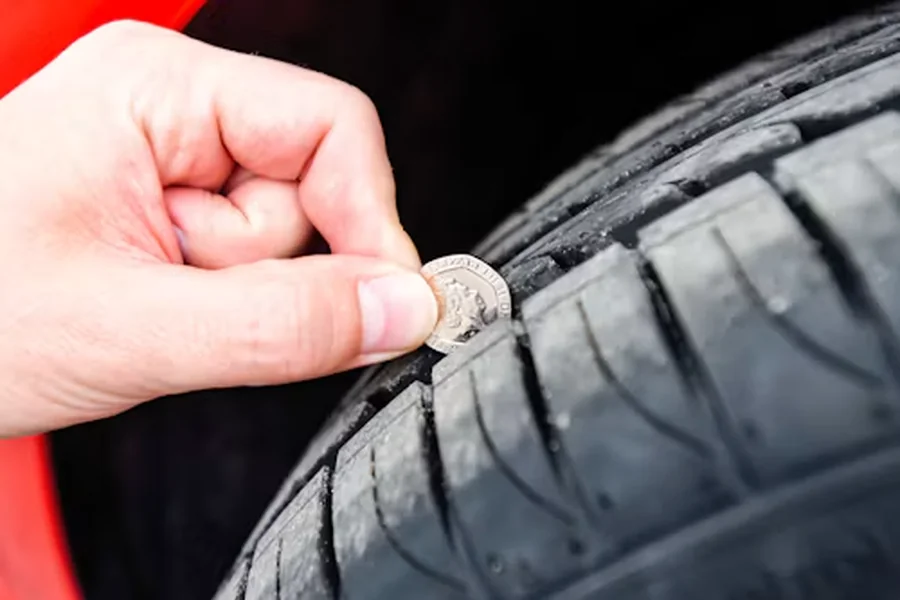
Tire construction affects how much force is needed to release the bead. A small lawn mower tire has different requirements from a commercial truck or agricultural tire. The wheel design also influences which tool can be positioned safely.
For example, ATV and lawn mower tires often work with suitable manual equipment. Tractor and truck tires may require stronger hydraulic assistance because their construction can make bead separation more difficult.
Before selecting equipment, consider these factors:
- Tire diameter and sidewall construction.
- Wheel material and rim design.
- Available working clearance around the tire.
- Frequency of tire maintenance.
- Required operating pressure and tool capacity.
- Compatibility with the existing pump and hydraulic connections.
A suitable tool should match the manufacturer’s stated application limits. Using equipment outside its intended range can create unnecessary risks and damage components.
Features Worth Checking Before Buying a Hydraulic Model
Selecting hydraulic equipment requires more attention than checking its maximum pressure. The complete assembly determines how effectively it performs during maintenance.
Working Pressure and Pump Compatibility
Check the rated pressure of the breaker, pump, and hydraulic hose. All connected components must support the intended operating pressure. A pressure rating alone does not explain the actual force applied at the working head.
Construction and Contact Surfaces
The main body should use suitable heavy-duty materials for the intended workload. Inspect the pressing foot, hook, base, and connection points. These parts experience repeated pressure during operation.
Hose Quality and Connections
Hydraulic hoses carry pressurized fluid between the pump and working assembly. Look for compatible fittings, suitable pressure ratings, and protective outer construction. Damaged connections can cause leaks and interrupt the repair process.
Pump Operation
A foot pump provides a practical way to operate equipment without depending on an air compressor. Check the pedal movement, release mechanism, and overall pump compatibility. The controls should allow the operator to apply and release pressure in a controlled manner.
How to Choose the Best Bead Breaker Hammer
A bead breaker hammer can be useful for specific manual tire repair tasks. However, its suitability depends on the wheel and the method of operation. A heavy hammer does not automatically provide better results.
First, check the tool’s intended tire applications. Its working length and head shape should allow proper access to the bead area. The handle should also provide a secure grip during operation.
Material quality matters because repeated impacts place stress on the tool. Inspect the head, handle connection, and protective features before use. Avoid improvised striking methods or tools that lack clear application guidance.
For larger and more difficult tire assemblies, hydraulic equipment may offer better control than repeated hammer strikes. The decision should reflect the type of work rather than the assumption that greater impact always produces better performance.
Safe Operating Practices for Tire Bead Separation
Tire repair involves stored pressure and heavy components. Incorrect handling can cause serious injuries. Operators should follow the equipment manufacturer’s instructions throughout the process.
Use these basic precautions before starting:
- Secure the vehicle or remove the wheel using suitable lifting equipment.
- Deflate the tire completely before attempting bead separation.
- Confirm that the wheel assembly is stable and supported.
- Inspect the rim, tire, and breaking equipment for visible damage.
- Position the working head according to the manufacturer’s instructions.
- Keep hands and other body parts away from moving components.
- Apply pressure gradually and monitor the tool’s position.
- Release hydraulic pressure before repositioning the equipment.
Never strike or pry an inflated tire and rim assembly. Multi-piece wheels require additional precautions and specialist procedures. If the wheel design or locking components are unfamiliar, professional tire service is the safer option.
Maintaining Hydraulic Equipment for Consistent Performance
Regular inspection helps identify problems before they interrupt workshop operations. Hydraulic equipment contains moving parts, pressure connections, and seals that need attention.
Check the hose for cracks, bulges, leaks, and damaged fittings. Inspect the pump reservoir and maintain the correct hydraulic fluid according to the manufacturer’s instructions. Keep the pressing surfaces clean so dirt does not interfere with proper contact.
Also examine the working head and attachment points for bending or excessive wear. Store the equipment in a dry location and protect exposed metal surfaces from corrosion. Follow the recommended inspection and maintenance schedule rather than waiting for a performance problem.
Where to Buy Reliable Tire Bead Breaker Tools
Reliable equipment should come from a supplier that provides clear specifications and useful product information. Before purchasing, review the stated applications, working pressure, included accessories, and construction details.
Compare the complete equipment package instead of considering the main tool alone. Some hydraulic systems require a separate pump, compatible hose, or additional connections. Confirming these requirements helps avoid purchasing an incomplete setup.
Also examine the supplier’s warranty terms, return policy, and available technical support. Customer feedback can provide useful information about assembly, handling, and long-term use. However, reviews should support your research rather than replace technical specifications.
A suitable tire bead breaker should meet the demands of your actual repair work. The lowest-priced option may not provide the right capacity, while an unnecessarily powerful model may add complexity to simple maintenance tasks.
Frequently Asked Questions
- What does a tire bead breaker actually do?
It separates the tire bead from the wheel rim. This allows the technician to continue with tire removal and replacement.
- Can a hydraulic tire bead breaker handle tractor tires?
Some models are designed for agricultural tires. Always check the equipment’s rated capacity and compatibility with the specific wheel.
- Is a hydraulic bead breaker better than a manual model?
Hydraulic models reduce manual effort and suit demanding applications. Manual models remain practical for occasional repairs and compatible smaller tires.
- How do I protect the rim during bead separation?
Position the tool correctly and use suitable protective contact surfaces. Follow the manufacturer’s operating instructions and avoid excessive force.
- Can I use a bead breaker hammer instead of hydraulic equipment?
A suitable hammer-type tool can work for certain applications. However, larger or stubborn tire assemblies may require purpose-built hydraulic equipment.


