
Wild Wonders of Asia: Exploring the Fascinating World of Asian Animals
Introduction
Asia is the largest and most diverse continent on Earth, spanning a vast range of climates and ecosystems—from the icy tundras of Siberia and the arid deserts of the Middle East to the lush tropical rainforests of Southeast Asia and the towering Himalayas. With such ecological variety, it’s no surprise that Asia is home to some of the planet’s most fascinating and unique wildlife. From majestic big cats and clever primates to rare amphibians and striking birds, Asian animals captivate scientists, conservationists, and nature lovers alike. In this article, we’ll explore the rich world of Asian animals, their unique adaptations, habitats, conservation status, and their cultural significance.
1. Big Cats of Asia: Stealthy Predators
Asia is home to several of the world’s most iconic and endangered big cats:
-
Tiger (Panthera tigris): The largest of all big cats, tigers are native to countries such as India, Russia, China, and Indonesia. Subspecies include the Bengal tiger, Siberian tiger, and critically endangered South China tiger.
-
Snow Leopard (Panthera uncia): Found in the rugged mountains of Central and South Asia, snow leopards are elusive, solitary cats known for their thick fur and ability to thrive in cold, rocky terrain.
-
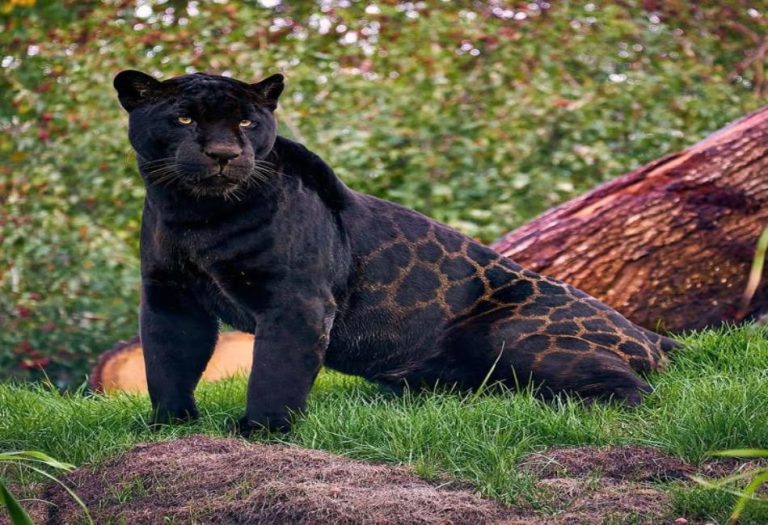
Leopard (Panthera pardus): Although leopards are more widely distributed across Africa, the Indian leopard and Amur leopard (found in Russia and China) are significant Asian subspecies.
These apex predators play a crucial role in maintaining the balance of their ecosystems, yet many face threats from habitat destruction and poaching.
2. Asian Elephants: Gentle Giants
The Asian elephant (Elephas maximus) differs from its African cousins with smaller ears and a domed head. They are highly intelligent, social animals found in India, Sri Lanka, Thailand, and other parts of Southeast Asia. Revered in religious and cultural traditions, elephants are often seen in Hindu temples and Buddhist ceremonies. However, human-elephant conflict and deforestation continue to endanger their survival.

3. Primates of Asia: Intelligent and Adaptable
Asia boasts a wide variety of primate species that demonstrate complex behaviors and social structures:
-
Orangutans (Pongo spp.): Native to Borneo and Sumatra, these red-haired great apes are critically endangered. They are known for their intelligence and use of tools.
-
Macaques: One of the most widespread primate groups in Asia, macaques are found from Japan (Japanese macaque or “snow monkey”) to India.
-
Gibbons: These lesser apes are found in the forests of Southeast Asia and are recognized for their agility and loud calls used for communication.
Primates in Asia are increasingly threatened by the illegal pet trade and habitat loss due to logging and agriculture.
4. Unique Herbivores and Ungulates
The continent is also home to a range of herbivores that have adapted to diverse environments:
-
Pandas (Ailuropoda melanoleuca): Native to China, the giant panda is an international symbol of conservation. Despite being classified as a carnivore, its diet consists almost entirely of bamboo.
-
Takin (Budorcas taxicolor): A muscular and unusual-looking ungulate found in the Himalayas, the takin is Bhutan’s national animal.
-
Indian Rhinoceros (Rhinoceros unicornis): Also known as the greater one-horned rhinoceros, this species primarily inhabits parts of India and Nepal. Thanks to conservation efforts, their numbers have steadily increased.
5. Birdlife Across Asia: From Cranes to Hornbills
Asia’s avian diversity is breathtaking, with thousands of species occupying its forests, wetlands, and mountains:
-
Sarus Crane: The tallest flying bird in the world, the sarus crane is a symbol of fidelity and is native to parts of India and Southeast Asia.
-
Great Hornbill: Found in India and Southeast Asia, this striking bird is known for its large bill and casque. It plays a vital role in seed dispersal in rainforests.
-
Peafowl (Peacock): The Indian peafowl is India’s national bird and is admired for its iridescent plumage and courtship displays.
Migratory birds also travel through Asian flyways, relying on the continent’s wetlands for seasonal rest and feeding.
6. Reptiles and Amphibians: Hidden Treasures
From pythons to salamanders, Asia is home to some of the world’s rarest cold-blooded animals:
-
King Cobra (Ophiophagus hannah): The world’s longest venomous snake, found across South and Southeast Asia, and revered in various mythologies.
-
Asian Water Monitor: One of the largest lizards, this reptile is highly adaptable and can often be seen near water bodies in urban areas.
-
Chinese Giant Salamander (Andrias davidianus): The largest amphibian in the world, this critically endangered species is native to freshwater streams in China.
These species often suffer from overharvesting and pollution in freshwater ecosystems.
7. Marine Life in Asian Waters
Asia’s marine ecosystems—from coral reefs to mangroves—are equally rich and vital:
-
Dugong: Found in the coastal waters of the Indian and Pacific Oceans, dugongs are marine mammals related to manatees and play an essential role in seagrass ecosystem health.
-
Whale Sharks: These gentle giants can be spotted in areas like the Philippines and Maldives.
-
Coral Reefs: Southeast Asia’s Coral Triangle harbors more marine biodiversity than any other region on Earth.
However, overfishing, plastic pollution, and climate change threaten these oceanic treasures.
8. Animals in Culture and Religion
Asian animals are deeply embedded in the continent’s folklore, religion, and art:
-
Tigers are often seen as symbols of power and courage in Hindu and Chinese mythology.
-
Elephants are associated with the Hindu god Ganesha and Buddhist ceremonies.
-
Dragons, though mythical, draw inspiration from serpentine creatures and are prominent in East Asian traditions.
Animals appear in zodiac signs, legends, and even in the architecture and fashion of many Asian cultures.

9. Conservation Challenges and Efforts
Despite the incredible biodiversity, Asian wildlife is under constant pressure from:
-
Deforestation due to logging, agriculture, and urban expansion.
-
Illegal wildlife trade, especially for traditional medicine and exotic pets.
-
Climate change, impacting both terrestrial and marine habitats.
Fortunately, there are notable conservation efforts:
-
Protected areas like national parks and wildlife sanctuaries.
-
Breeding programs for species like the panda and Indian rhinoceros.
-
NGOs and government bodies collaborating on anti-poaching laws and wildlife corridors.
Ecotourism is also emerging as a tool for both conservation and community development in regions like Bhutan, India, and Indonesia.
Conclusion
Asian animals represent one of the most awe-inspiring aspects of the continent’s natural heritage. From the dense jungles of Borneo to the snowy plateaus of Tibet, each species plays a unique role in its ecosystem. As globalization and environmental changes accelerate, the need to protect Asia’s wildlife becomes more urgent. By fostering awareness, supporting conservation efforts, and respecting the cultural ties to animals, we can ensure that the wonders of Asian wildlife continue to inspire future generations.

FAQ: Wild Wonders of Asia – Exploring the Fascinating World of Asian Animals
1. What types of animals are native to Asia?
Asia is home to a wide variety of animals, including tigers, elephants, pandas, snow leopards, orangutans, king cobras, and hornbills, among many others.
2. Which Asian animals are endangered?
Endangered species in Asia include the Bengal tiger, snow leopard, orangutan, Asian elephant, and Chinese giant salamander due to habitat loss, poaching, and environmental changes.
3. What are the most iconic Asian animals?
Some of the most iconic animals include the giant panda in China, the Bengal tiger in India, and the Komodo dragon in Indonesia.
4. Where can I see Asian wildlife in the wild?
You can see Asian wildlife in national parks and reserves such as Ranthambore (India), Borneo Rainforest (Malaysia/Indonesia), Chitwan National Park (Nepal), and Wolong Reserve (China).
5. How are Asian animals important to local cultures?
Many animals are symbols in Asian cultures—elephants are sacred in Hinduism and Buddhism, tigers represent strength, and dragons appear prominently in East Asian mythology.
6. Which animal lives in Asia?
Many animals live in Asia, including iconic species like the Bengal tiger, Asian elephant, panda, snow leopard, orangutan, Komodo dragon, and king cobra. These animals inhabit diverse ecosystems, from tropical rainforests and high mountains to dry deserts and vast grasslands across the continent.
7. What is the most iconic Asian animal?
8. What are the 5 types of animals?
The five main types of animals are:
-
Mammals – Warm-blooded animals with fur or hair that usually give birth to live young (e.g., tigers, elephants).
-
Birds – Warm-blooded, feathered animals that lay eggs (e.g., hornbills, eagles).
-
Reptiles – Cold-blooded animals with scales that lay eggs or give live birth (e.g., snakes, lizards).
-
Amphibians – Cold-blooded animals that live both in water and on land (e.g., frogs, salamanders).
-
Fish – Cold-blooded animals that live in water and breathe through gills (e.g., carp, sharks).