
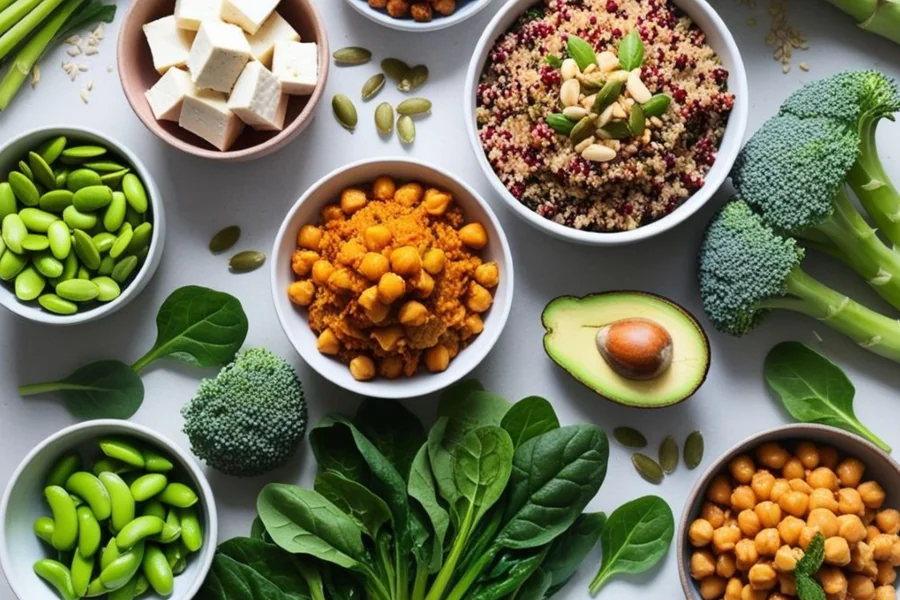
The Rising Popularity of Natural Ingredients in Health and Wellness Products
The demand for high-quality natural ingredients is on the rise as consumers gain awareness of what they put in their food, beverages, and wellness products. Companies are seeking a trusted natural ingredient supplier that can offer well-sourced botanical extracts, vegetable compounds, and functional ingredients to aid in product development. Natural ingredients are taking on a significant role in the world health and wellness sector with dietary supplements and functional drinks being some of the products of this category.
Standardized saffron extract is among the botanical ingredients receiving a surge of interest due to the naturally occurring compounds, and the traditional applications in wellness. Saffron is the flower of Crocus sativus that has bioactive compounds (crocin, crocetin, safranal). Standardization ensures that the selected compounds remain at a consistent level, and so the extract would be more appropriate to manufacturers, who need consistent ingredient specifications.
Why Natural Ingredients Are Becoming More Popular
The tastes and preferences of the consumers have evolved in the last ten years. A lot of individuals are becoming more conscious about the labels of products, sources of ingredients and the process of manufacturing. This is a change that has prompted manufacturers of food, beverages, cosmetics, and supplements to consider plant-based products and botanical extracts.
There are various reasons behind this increased interest.
– Increased Awareness of Ingredient Quality
Consumers would like to know what they are buying. The products with familiar botanical ingredients and sourcing data can attract people who consider the ingredient quality.
Manufacturers are thus limited to not only the appearance or taste of the end product. They must also assess the purity, consistency, traceability and quality-control processes of ingredients.
– Interest in Plant-Based Wellness
Plants are becoming an extensive ingredient of wellness formulations. Different products are added with Turmeric, green tea, ginger, saffron and other botanical extracts due to their traditional uses and naturally occurring compounds.
But natural does not necessarily imply safe or effectiveness. Scientific research, proper testing, and conscientious product claims should aid ingredient selection.
The Importance of Standardized Botanical Extracts
The botanical ingredients may change with the growing conditions, harvesting, the methods of processing and the storage conditions. Such variations can affect their chemical structure and quality.
The standardization assists manufacturers in dealing with some of this natural variation.
– Uniformity Within Production Batches
A standard extract is produced to fit a set of specifications, which may include a set concentration of a range of active compounds chosen.
As an example, saffron extracts can be standardized based on crocin or other typical compounds. This facilitates easier determination of formulation requirements by manufacturers and consistency of production batches.
– Better Quality Control
During the development of supplements and functional products, quality control is necessary. Manufacturers ought to seek documentation supporting ingredient specifications, including:
– Certificates of analysis (COAs).
– Identity and purity tests.
– Heavy metal testing.
– Microbiological testing.
– Residual solvent, where appropriate.
– Data on the extraction and production procedures.
The documents are useful in enabling businesses to assess the quality and regulatory standards of an ingredient to them.
Saffron Extract and Its Role in Wellness Formulations
Saffron is a long-standing culinary and traditional ingredient. Researchers are also looking into its naturally occurring compounds and how it could be used in wellness products today.
Some of the compounds that are usually mentioned in the research on saffron include crocin, crocetin and safranal.
– Possible Areas of scientific research
Clinical studies have been conducted to examine saffron supplementation in terms of mood, emotional well-being, sleep, and other health factors.
The findings of research are promising in some fields, but results are to be viewed with caution. The size of the studies, the composition of extracts, dosages, and the methodologies of the researches may vary significantly.
Manufacturers are not supposed to pass initial research as conclusive medical findings. Marketing of products with saffron extracts must be done as per the relevant regulations and backed by the relevant scientific records.
– Dietary Supplements Uses
Different forms of supplement can be added with saffron extract, such as:
– Capsules and tablets.
– Powdered supplement blends.
– Functional wellness formulas.
– Botanical combination products.
– Specialized nutritional formulations.
The right format will be based on the physical properties of the extract, its intended use, compatibility with formulations, and the suggested dosage.
What Manufacturers Should Look for in a Natural Ingredient Supplier
Choosing the appropriate partner in terms of ingredients is a key choice to business ventures formulating botanical products. The quality of ingredients may affect the manufacturing efficiency, uniformity of the product and consumer trust.
1. Transparent Sourcing Practices
A reliable supply chain must supply data on the origin of ingredients and the source of raw materials. Traceability assists manufacturers to know the supply chain, as well as assess sourcing practices.
In the case of botanical ingredients, information on the species of plants, the location where they are grown, harvesting and processing of the product can be quite helpful.
2. Third-party Testing and Documentation
Independent testing may further give assurance in the quality of ingredients. Manufacturers ought to seek suppliers that observe proper testing protocols and offer pertinent documentation.
The quality parameters should be reported in a certificate of analysis that clearly identifies the ingredient.
3. Consistent Manufacturing Standards
The standards of manufacturing are important since botanical extracts need to be processed and handled under control. Companies should also consider the practices of suppliers in regards to the quality-management and their manufacturing plants.
Other certifications and standards like GMP and other food-safety systems might also be applicable, depending on the ingredient and intended use.
4. Trustworthy Supply and Technical Support
A supplier is supposed to be able to accommodate both short term purchasing and long term production demands. The availability, effective communication and technical documentation can contribute to the fact that manufacturers do not have to face needless delays.
Technical services can also be utilized when companies require the help in analyzing ingredient specifications, solubility, stability, or formulation compatibility.
The Role of Natural Ingredients in Different Industries
Dietary supplements are not the only products that contain natural ingredients. They can be used in various industries, which leaves a chance for manufacturers and product developers.
– Food and Beverage
In functional beverages, herbal teas, specialty foods, and nutritional products botanical extracts are utilized. They can provide flavor, color, or functionality based on their properties.
– Cosmetics and Personal Care
Plant ingredients are being incorporated more and more into skincare, haircare and personal-care products. The manufacturers consider the botanical extracts in terms of compatibility, stability, and the desired cosmetic activity.
– Nutritional Supplements
The supplement market has a tremendous assortment of botanical ingredients to create products that appeal to various consumer interests. Standardized extracts may enable manufacturers to have a constant formulation and fit existing product specifications.
How Scientific Research Supports Ingredient Selection
Scientific research is relevant in assessing botanical ingredients. Instead of solely depending on traditional use or marketing assertions, manufacturers ought to review the existing studies and ascertain whether the evidence backs up their intended uses.
As an example, saffron has been investigated concerning its possible impacts on mood and emotional well-being. A randomized controlled trial or a systematic review might provide helpful information, but none of the studies can determine universal effectiveness.
The National Institutes of Health’s Office of Dietary Supplements provides educational resources about dietary supplements, ingredient evaluation, and the importance of understanding scientific evidence.
Regulatory requirements in the target markets should also be considered by the businesses. Ingredient approval, authorised health claims, labeling regulations and safety can vary across countries.
Challenges in Sourcing Natural Ingredients
Although the demand is on the rise, sourcing botanical ingredients poses a number of challenges.
Natural variations: Climate, soil, time of harvest, and farming can affect the chemical makeup of plants.
Adulteration risks: There is a risk of dilution, replacement or misidentification of some botanical ingredients. Proper testing of identity assists to minimize such risks.
Storage and stability: The quality of ingredients can be influenced by temperature, moisture, light, and oxygen. Appropriate packaging and storage environments are vital.
Differences in regulations: Manufacturers who sell products across the border should be aware of the rules that are applied to the ingredients and health related claims in any given market.
Working with knowledgeable suppliers and establishing clear quality specifications can help businesses address these challenges.
Conclusion
The increasing popularity of wellness products made of plants is opening up new prospects to manufacturers in the food, supplement, and personal-care industries. Nevertheless, more than picking ingredients by popularity will lead to successful product development. The importance of sourcing transparency, scientific evidence, standardized specifications, and proven quality-control procedures should be prioritized by businesses.
Examples of botanical ingredients like saffron extract show that the traditional material of plants can be used in the development of modern products, with the proper assistance of research and production methods. Through cooperation with competent suppliers and high quality standards, companies can come up with consistent products that address the shifting customer expectations.