The Crash-Scene Evidence Playbook: What Atlanta, Georgia Drivers Should Record, Save, and Avoid
Key Takeaways
- Put safety and medical needs ahead of photos or paperwork.
- Document the entire scene, including the road, signals, weather, and vehicle positions.
- Save witness contacts, digital files, report details, medical records, and expense receipts.
- Give insurers accurate facts, but do not guess about fault, speed, or injuries.
- Keep original photos and videos backed up in more than one place.
A collision on the Downtown Connector, a neighborhood street in Decatur, or a rain-slick intersection near Buckhead can leave drivers shaken and unsure what to do next. A calm, safety-first record of what happened can preserve details that may be difficult to reconstruct later. When questions arise about injuries, repairs, or insurance, an Atlanta car accident attorney may also review the circumstances and available documentation. Evidence does not need to be complicated or expensive. A phone, a notepad, and an organized folder can capture information that disappears quickly after traffic resumes, vehicles are towed, weather changes, or memories fade. The goal is not to argue at the scene. It is to protect people, preserve accurate facts, and create a useful record.
The First Few Minutes: Safety Comes First
Check yourself, passengers, and others for injuries. Call 911 when someone may be hurt, when vehicles create a road hazard, or when police assistance is needed. Turn on hazard lights if possible, and do not stand in an active travel lane to photograph damage. Georgia’s driver crash guidance instructs drivers to stop, provide reasonable assistance to injured people, exchange identifying information, and notify law enforcement when a crash involves injury, death, or more than $500 in property damage. If there is no apparent serious injury and the vehicles can be driven safely, move out of active lanes when appropriate. On Atlanta’s crowded interstates and multilane roads, remaining in traffic can create another danger. Follow directions from police, firefighters, and emergency medical personnel. Do not move a seriously injured person unless remaining in place creates an immediate hazard.
Taking Useful Crash-Scene Photos
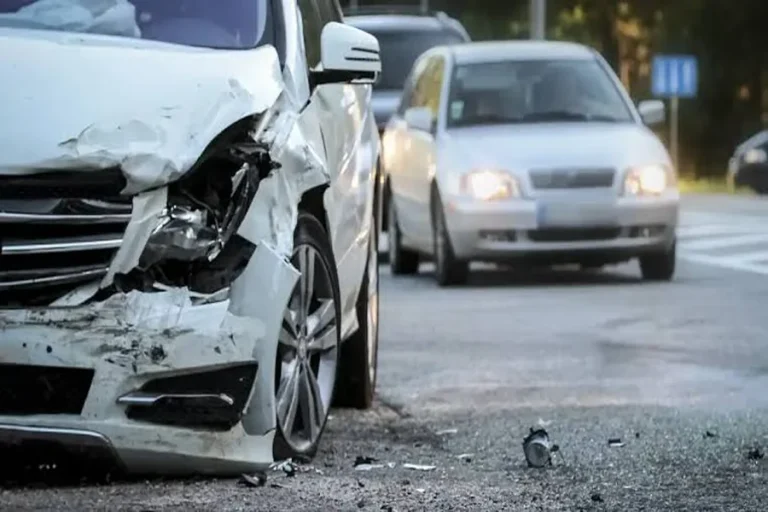
Once everyone is safe, take photographs that show the entire scene, not just a cracked bumper. Start with wide shots before taking close-ups. Wide photos can show lanes, traffic controls, visibility, and where each vehicle came to rest. Close photos can document specific damage and physical evidence.
Photo Checklist
- Wide views of the roadway, intersection, ramps, or nearby landmarks.
- Every vehicle from the front, rear, and both sides.
- License plates, visible company markings, and deployed airbags.
- Damage, broken glass, paint transfer, debris, fluid, and skid marks.
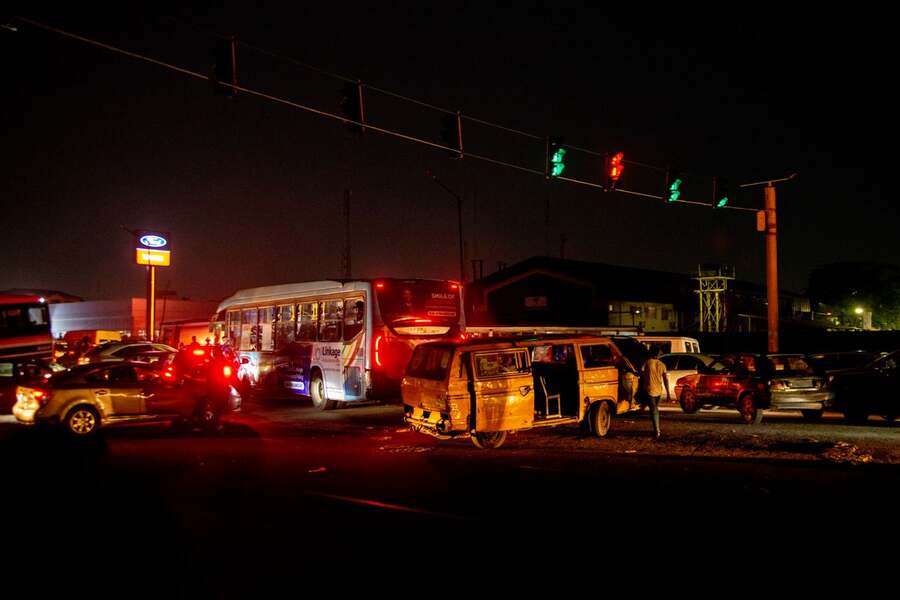
- Traffic lights, stop signs, lane markings, construction signs, and blocked views.
- Lighting, rain, standing water, fog, and other road conditions.
Photograph injuries only when doing so does not delay care or invade another person’s privacy. If conditions are unsafe, wait until you are out of traffic and document what you can from a secure location.
Information From Other Drivers
Exchange basic identifying and insurance information without debating who caused the collision. Write down or photograph the other driver’s full name, phone number, driver’s license details, insurer and policy number, vehicle plate, and vehicle description. If the vehicle belongs to an employer, a rental company, or another owner, record that information as well. Also note the responding agency, officer name, badge number if available, and report number. The Georgia Department of Transportation explains that the Georgia Motor Vehicle Crash Report is the official document used by law enforcement agencies for crash data, and its crash-reporting page provides options for requesting a report.
Witnesses and Digital Evidence
An independent witness may remember a sudden change in signal, a sudden lane change, or the sequence of events before impact. Ask for the witness’s name, phone number, email address, and a brief description of what they saw. If they took photos or video, ask whether they are willing to preserve the original files and share them with police or an insurer. Save dashcam footage immediately, as many devices overwrite older clips. Keep the original file unchanged, then create a backup copy. Avoid trimming, filtering, or renaming the original in a way that makes it harder to identify. Nearby businesses, residences, or parking facilities may have exterior cameras, so promptly note possible video sources and their locations.
Medical and Expense Records
A complete crash file should show more than vehicle damage. Save emergency-room records, doctor visits, prescriptions, therapy notes, treatment instructions, medical bills, and health-insurance statements. Keep repair estimates, towing invoices, rental receipts, transportation costs, and receipts for related purchases. If injuries affect your routine, maintain a brief factual log. Record dates of appointments, missed work, sleep disruption, pain levels, driving limitations, and tasks you could not complete. Save pay stubs and employer documentation if work time is missed. Accuracy matters more than length or dramatic language.
Communicating With Insurers
Report the crash promptly and provide straightforward facts: where it occurred, when it occurred, who was involved, and whether medical treatment was received. Be honest, but avoid filling gaps with assumptions. “I do not know” or “I am not sure” is often better than estimating speed, distance, timing, or fault.
- Keep claim numbers and adjuster contact details.
- Save emails, letters, text messages, estimates, and call notes.
- Ask for significant requests or decisions in writing.
- Do not minimize symptoms simply because they appeared later.
- Do not post opinions about fault or injuries on social media.
Evidence Mistakes to Avoid
Common errors can make a clear situation harder to evaluate, especially when car accident lawyers need to prove fault later. Do not risk your safety for a photo. Do not delete original images after sending edited copies. Do not discard damaged personal items before documenting them. Do not repair a vehicle before obtaining clear photographs and retaining repair records. Finally, write down your recollection soon after the collision rather than relying on memory days later.
Organizing Your File
Create one digital folder with clearly named subfolders: Scene, People, Reports, Medical, Vehicle, Work, and Insurance. Use descriptive filenames that include the date and the type of document. Keep one backup in a separate cloud account, on an external drive, or in a trusted email archive. A simple system makes it easier to locate a receipt, photo, or report when it is needed.
A Simple 24-Hour Checklist
- Confirm everyone’s safety and seek medical care for concerning symptoms.
- Exchange driver and insurance information.
- Photograph the scene when it is safe to do so.
- Collect witness contact information.
- Save dashcam, phone, and other digital files.
- Record the police report number and request the report when available.
- Notify the insurer and start an organized evidence folder.
After an Atlanta crash, careful documentation can preserve facts while you focus on recovery and practical next steps. One clear scene photo, a saved witness contact, or a properly stored medical record may prove far more useful than trying to reconstruct the day from memory later.
Conclusion
Documenting an Atlanta car accident is an important step toward protecting your well-being, preserving accurate information, and managing the responsibilities that follow a collision. Although the experience can be stressful, taking a calm, organized approach can help you capture essential details before vehicles are moved, road conditions change, or memories become less clear. Always prioritize safety and medical attention first, then collect photographs, driver and witness information, police report details, and relevant medical and financial records when it is safe to do so. Keeping original photos, dashcam footage, insurance communications, repair estimates, and receipts in a secure, organized folder can make it easier to find important evidence when questions arise. When communicating with insurance companies, stick to the facts and avoid guessing about fault or the extent of injuries. If the collision involves serious injuries, disputed liability, or complicated insurance issues, consulting a qualified Atlanta car accident attorney may help you understand your options and determine how to protect relevant evidence. Ultimately, thorough documentation is not about creating an argument at the scene; it is about preserving a reliable record of what happened. By following a safety-first plan and keeping important information accessible, you can reduce unnecessary confusion and focus more confidently on recovery and the decisions ahead.