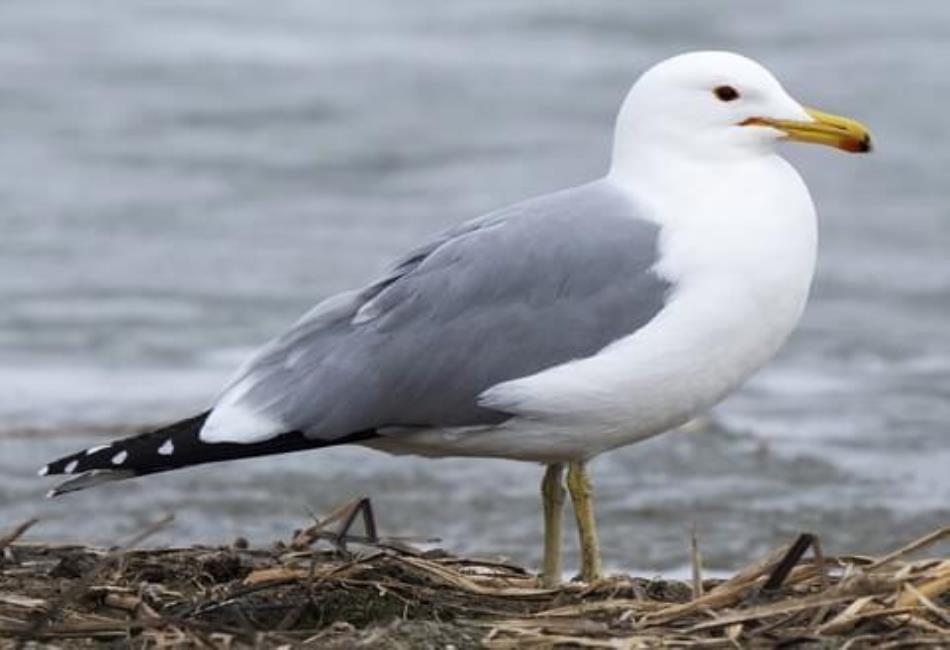
Utah State Bird: The California Gull
The state bird of Utah, the California Gull (Larus californicus), holds a unique place in the state’s history and natural landscape. Adopted as the official state bird in 1955, the California Gull is more than just a bird to Utahns; it symbolizes resilience, gratitude, and the interconnectedness of humans with the natural world. Let’s explore the bird’s historical significance, physical characteristics, behavior, and its role in Utah’s ecosystems.
The Historical Significance of the California Gull
The California Gull is deeply tied to one of Utah’s most famous pioneer stories. In 1848, early Mormon settlers in the Salt Lake Valley faced a crisis when swarms of crickets, later referred to as “Mormon crickets” (Anabrus simplex), began devouring their crops. This was a dire situation, as the settlers were heavily reliant on their harvest to survive.
Legend has it that large flocks of California Gulls arrived unexpectedly and began feeding on the crickets, effectively saving the crops and the settlers from famine. This event, often called the “Miracle of the Gulls,” is commemorated in Salt Lake City with the Seagull Monument, which stands in Temple Square. While the story has been romanticized over time, it highlights the critical role wildlife can play in human survival and adaptation.
Physical Characteristics of the California Gull
The California Gull is a medium-sized gull, typically measuring 18–22 inches in length with a wingspan of about 48 inches. It weighs between 1 and 2 pounds.
- Plumage:
- Adults have predominantly white heads and bodies, with gray wings and backs. Their primary wing feathers are black with white tips.
- Their legs are yellow-green, and their eyes are dark brown.
- Beak:
- A distinctive feature of the California Gull is its yellow beak, marked by a red spot near the tip, which plays a role in feeding chicks.
- Seasonal Changes:
- During the non-breeding season, the gull’s head may develop faint streaking, blending better with winter environments.
These physical traits allow the gull to thrive in the diverse habitats it occupies, from wetlands to arid desert regions.
Behavior and Habits
The California Gull is highly adaptable and opportunistic, traits that have contributed to its survival in varied environments.
Diet
California Gulls are omnivorous and have a diverse diet. They consume:
- Fish
- Insects
- Small rodents
- Carrion
- Human food scraps
During the breeding season, they rely heavily on aquatic prey like fish and brine shrimp. In urban areas, these gulls are often seen scavenging at landfills or stealing food from picnics and beachgoers.
Breeding
Breeding colonies of California Gulls are often found near lakes and marshes. Nesting usually begins in late spring, and the birds lay 2–3 eggs in a shallow scrape lined with grasses and feathers. Both parents share the responsibility of incubating the eggs, which hatch after about 25 days. Chicks are precocial, meaning they are relatively mature and mobile shortly after hatching, but they remain dependent on their parents for food and protection until they are capable of flight.
Migration and Range
California Gulls are migratory birds. They breed in the interior regions of the United States and Canada, including Utah, and migrate to coastal areas during the winter. However, some populations are year-round residents of regions with favorable climates.

The California Gull’s Role in Utah Ecosystems
The California Gull is a vital component of Utah’s natural ecosystems, particularly in and around the Great Salt Lake, one of the largest saline lakes in the Western Hemisphere. This lake provides critical breeding and feeding grounds for the gulls and other bird species.
Pest Control
By feeding on insects such as crickets and grasshoppers, the California Gull helps control pest populations, which is essential for maintaining the balance in agricultural and natural ecosystems.
Scavenging and Cleanup
As scavengers, California Gulls contribute to the environment by cleaning up carrion and human waste, preventing the spread of disease and keeping ecosystems healthy.
Indicator Species
The presence and behavior of California Gulls can indicate the health of wetland and aquatic ecosystems. A decline in gull populations might signal problems such as pollution or habitat degradation.
Conservation and Challenges
Although the California Gull is not currently considered endangered, it faces several challenges that could impact its populations:
- Habitat Loss:
- Urban development, water diversion, and changes to the Great Salt Lake’s water levels threaten their breeding and feeding grounds.
- Pollution:
- Contamination from pesticides and heavy metals can affect their food supply and overall health.
- Human Interaction:
- While the gull’s adaptability helps it thrive near human settlements, conflicts arise when they scavenge in urban areas or compete with other species for resources.
Conservation efforts in Utah focus on preserving the Great Salt Lake and surrounding wetlands. These efforts are critical for ensuring the continued survival of the California Gull and the myriad of other species that depend on these habitats.
Cultural and Symbolic Importance
The California Gull’s designation as Utah’s state bird underscores its importance in the state’s history and culture. It symbolizes gratitude, resilience, and the harmonious relationship between humans and nature. The Seagull Monument in Salt Lake City stands as a reminder of the settlers’ faith and the gulls’ timely intervention.
Conclusion
The California Gull, Utah’s state bird, is much more than a graceful creature soaring over the Great Salt Lake. Its historical role in the “Miracle of the Gulls,” its adaptability, and its ecological contributions make it a symbol of survival and resilience. As Utah continues to grow and develop, preserving the habitats and ecosystems that support the California Gull is essential for maintaining this iconic species and the natural heritage it represents. Through conservation and awareness, the California Gull will continue to be a cherished part of Utah’s story for generations to come.