
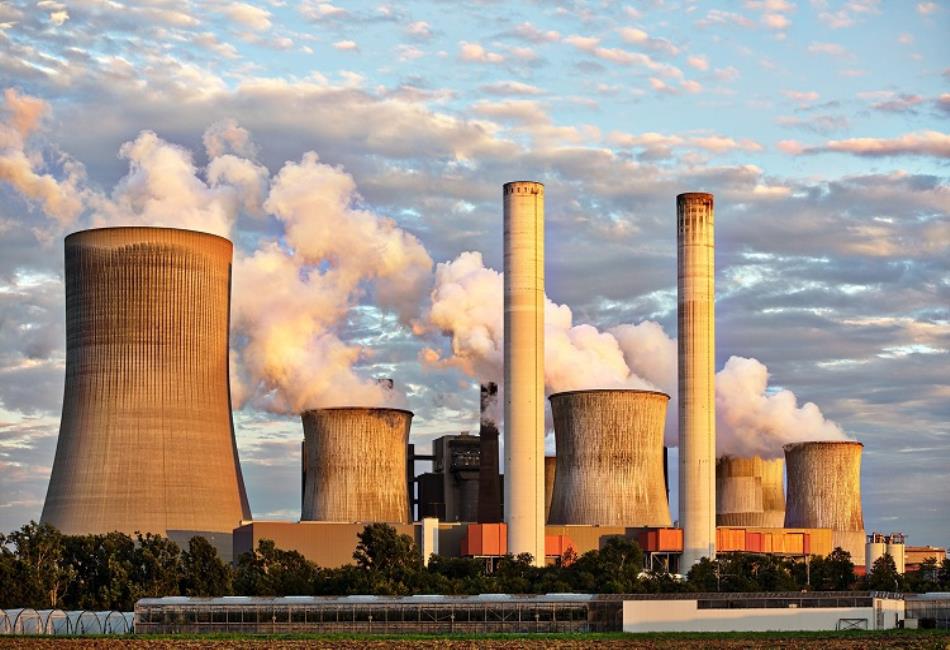
The Impact of Coal Dust on the Environment
The issue of coal dust is one that has been met with increasing concern in both environmental and health spheres. The mining, transportation, and storage of coal can result in fine particles known as coal dust escaping into the atmosphere and onto the land. These emissions can have a significant impact on ecosystems, human health, and the overall environmental integrity.
Understanding Coal Dust and its Environmental Implications
When coal is mined, processed, or moved, dust is inevitably produced. While coal itself is a natural resource, the mining process disturbs vast areas of land, releasing dust and various pollutants. The wind can carry coal dust over large distances, affecting soil and water bodies. This can result in detrimental alterations to the chemical makeup of these areas, as well as physical damage to vegetation and wildlife habitats.
Coal dust can affect photosynthesis in plants by coating leaves, thus blocking sunlight. The infiltration of this dust in waterways can lead to a reduction in light penetration, affecting aquatic life. Additionally, heavy metals and other pollutants associated with coal dust can accumulate in the food chain, posing risks to ecosystem health and biodiversity.
Coal Dust: A Public Health Concern
As it pertains to human health, coal dust particles can be inhaled, leading to respiratory issues such as asthma, bronchitis, and even lung cancer. Communities living near coal mines or in the pathway of coal transport routes are particularly vulnerable to these health risks. Furthermore, the dust can blanket homes and public spaces, leading to further exposure and cleanliness issues.
Addressing the Challenges of Coal Dust
Managing the release of coal dust into the environment is crucial. Various measures can be put in place to mitigate its spread, such as improved mining techniques, the application of dust suppressants, and enclosing coal conveyor systems. These efforts, however, can be expensive and require ongoing maintenance and regulation to ensure their effectiveness.
Tapping into the Benefits of Activated Carbon
Among the innovative solutions for tackling the problem of pollutants like coal dust is the use of activated carbon. Activated carbon’s high absorbency makes it an exceptional material for trapping toxic particles. Its properties can contribute significantly to reducing airborne contaminants when utilised in filtration systems.
Not only is activated carbon beneficial in industrial applications for air purification, but it’s also used in water treatment facilities. By absorbing impurities, it plays a vital role in ensuring cleaner water resources, a critical aspect of environmental preservation.
Active Measures Against Environmental Degradation
The active management and reduction of coal dust release are essential if we are to combat the environmental degradation it causes. This involves continuous monitoring of air and soil quality, as well as the adoption of best practices in the coal industry to minimise dust generation. Governments and environmental bodies must work in tandem to create and enforce regulations that are designed to protect natural ecosystems and human populations alike.
James Cumming: A Commitment to Environmental Protection
With environmental challenges at the forefront of global concerns, companies like James Cumming have dedicated themselves to environmentally sound practices. Emphasising the importance of sustainable operations, they continuously seek out ways to mitigate environmental impact across their range of products and services.
James Cumming’s efforts to incorporate environmental consideration into their business model showcase the potential for industry leaders to contribute positively to ecological preservation and serve as a blueprint for others to follow suit.
The Role of Activated Carbon in Environmental Sustainability
As an active player in the field, James Cumming has leveraged the effectiveness of activated carbon in addressing environmental pollutants. The deployment of activated carbon in combating the spread of coal dust is a testament to the innovative approaches that can be adopted in the fight against environmental contamination.
Environmental sustainability hinges upon the use of efficient and practical solutions. In this vein, activated carbon surfaces as a substance that not only battles pollutants but also offers the adaptability to be implemented in a wide array of industrial processes.
The Crucial Role of Community and Corporate Responsibility
In the journey towards a cleaner environment, the responsibilities lie not just with the industries involved but also with the communities that they serve. Public awareness, education, and community initiatives can all contribute to a broader engagement with environmental issues like coal dust pollution.
Corporations have a critical role to play by incorporating corporate social responsibility (CSR) into their ethos. By doing so, they can ensure that environmental concerns are not merely an afterthought but a driving force behind their operational strategies. Corporate transparency in these efforts is also key in building trust and fostering a culture of sustainability.
Conclusion: A Collective Effort Toward a Healthier Planet
The impact of coal dust on the environment is an issue that cannot be ignored. It requires the collective effort of individuals, communities, industry leaders, and policymakers to create substantial changes. Innovations such as activated carbon usage demonstrate that there are viable methods for reducing environmental harm, we must be proactive in both development and implementation of such solutions.
A sustainable future hinges on our ability to address these concerns head-on, with a deep understanding of the significance of our natural environment and the urgency with which we must act to protect it for generations to come.


