
Quail Birds: A Comprehensive Guide to These Fascinating Creatures
Quail birds, known for their small size and distinct features, are a remarkable group of ground-dwelling birds belonging to the family Phasianidae or Odontophoridae, depending on the species. Renowned for their adaptability, quail can be found across various parts of the world, including North America, Asia, Europe, and Africa. Whether admired for their unique appearance, hunted for sport, or raised for their meat and eggs, quail birds hold a special place in both natural ecosystems and human culture. In this article, we explore the fascinating world of quail birds, including their physical characteristics, habitat, behavior, and significance.
Physical Characteristics
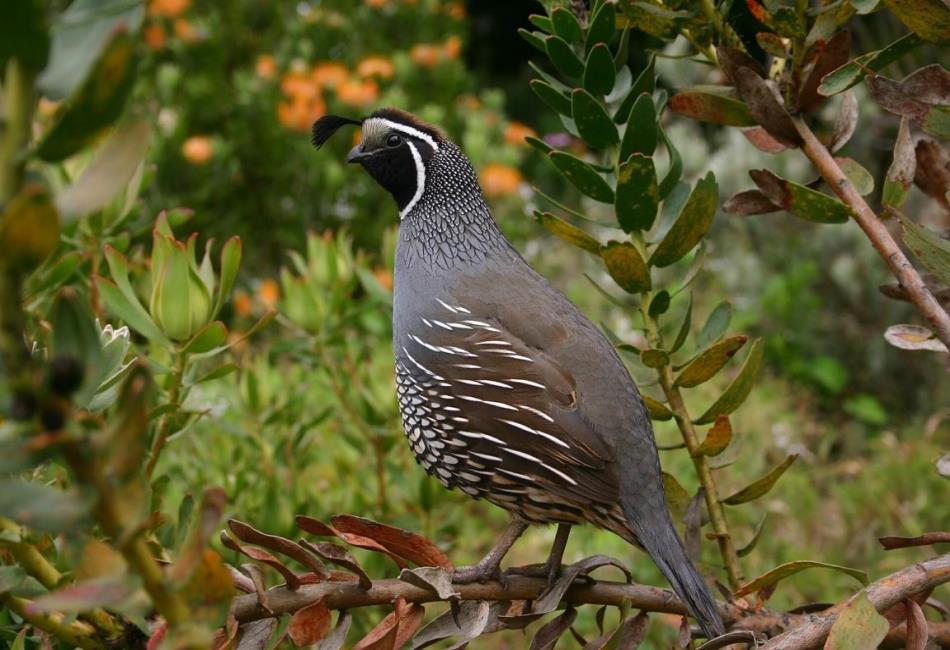
Quail are small, plump birds with rounded bodies, short tails, and long, pointed wings. Their coloration varies significantly depending on the species, but most exhibit earthy tones like brown, grey, and tan, which provide excellent camouflage in their natural habitats. Males often have brighter plumage or distinct markings compared to females, aiding in courtship displays.
One of the most recognizable features of some quail species, such as the California quail (Callipepla californica), is the forward-facing plume or “topknot” on their heads. This plume, composed of a cluster of feathers, adds to their distinctive look and is often more prominent in males.
Quail typically measure between 4 and 12 inches in length and weigh between 2.5 and 5 ounces. Despite their small size, they are sturdy birds with strong legs adapted for walking and scratching the ground for food.
Habitat and Distribution
Quail are highly adaptable and can thrive in various habitats, including grasslands, woodlands, scrublands, and even arid deserts. Their preference for dense vegetation offers them cover from predators and a steady supply of food. Some species, like the Japanese quail (Coturnix japonica), are native to Asia, while others, such as the Northern bobwhite (Colinus virginianus), are commonly found in North America.
The California quail is most commonly associated with the western United States, where it inhabits coastal scrub, open woodlands, and agricultural areas. African species like the common quail (Coturnix coturnix) are widespread across the continent, adapting to grasslands and savannahs.
Diet and Feeding Habits
Quail are omnivorous birds with a diet that includes seeds, grains, fruits, and insects. Their feeding habits make them essential contributors to ecosystem balance, as they help control insect populations and disperse seeds.
Most quail forage on the ground, using their beaks and feet to uncover food hidden beneath leaves or soil. During the breeding season, their diet becomes protein-rich as they consume more insects, which are vital for their energy-intensive activities like nesting and raising chicks.
Behavior and Social Structure
Quail are generally social birds, often forming groups called coveys, especially outside the breeding season. These coveys can include up to 25 individuals, providing safety in numbers against predators. Within these groups, quail communicate using a variety of calls, including alarm calls, mating calls, and contact calls.
Despite their ability to fly, quail are not strong fliers and prefer to escape danger by running. When startled, they can perform short bursts of rapid flight, known as “flushing,” to evade predators.
Breeding and Reproduction
Quail breeding habits are as intriguing as their physical characteristics. The breeding season typically begins in spring and extends into early summer, depending on the species and geographic location. Males establish territories and attract females through vocalizations and elaborate courtship displays, often involving puffed-up feathers and specific movements.
Once paired, the female constructs a shallow nest on the ground, often hidden among tall grass or shrubs. She lays a clutch of 6 to 12 eggs, which she incubates for about three weeks. Quail chicks are precocial, meaning they hatch fully feathered and are capable of moving and feeding shortly after birth.
Parental care is generally provided by the female, although some species involve both parents in rearing the chicks. Quail chicks grow rapidly and are usually independent within a few weeks.
Quail in Human Culture
Quail have been an important part of human culture for centuries. In many societies, they are valued for their meat and eggs, which are considered delicacies. Quail meat is lean, flavorful, and often served in gourmet dishes, while quail eggs, small and nutrient-rich, are popular in cuisines worldwide.
In addition to their culinary value, quail are bred for sport hunting and as pets. The Northern bobwhite, for example, is a popular game bird in the United States, where it is often hunted in managed environments. Japanese quail, on the other hand, are widely domesticated for egg and meat production due to their fast growth rate and prolific egg-laying.
Conservation and Challenges
While many quail species are abundant, some face threats due to habitat loss, climate change, and overhunting. For example, the Northern bobwhite has experienced significant population declines in parts of its range, largely due to agricultural expansion and the loss of grassland habitats.
Conservation efforts, including habitat restoration and regulated hunting, aim to protect vulnerable quail populations. Programs that promote sustainable land use and predator management have shown promise in supporting these birds and their ecosystems.
Interesting Facts About Quail
- Fast Egg Layers: Japanese quail can start laying eggs as early as six weeks of age, producing up to 300 eggs annually.
- Camouflage Masters: Their earthy-colored plumage helps them blend seamlessly into their environment, making them hard to spot by predators.
- Covey Behavior: Quail huddle together in coveys during cold weather to conserve warmth and protect against predators.
- Migratory Tendencies: Some quail species, like the common quail, are migratory and travel long distances between breeding and wintering grounds.
Conclusion
Quail birds are fascinating creatures with a blend of unique traits, ecological importance, and cultural significance. Their adaptability, striking appearance, and social behaviors make them a subject of admiration for bird enthusiasts and a valuable resource for farmers and hunters. However, as with many wildlife species, it is crucial to ensure their populations are managed sustainably to preserve their presence in ecosystems around the world. Whether in the wild or domesticated environments, quail continue to captivate and contribute to the rich tapestry of avian life.


