Pretty Animals: Nature’s Most Stunning Creatures and What Makes Them So Captivating
Nature is full of marvels, but few things capture our hearts more instantly than the sight of a pretty animal. Whether it’s the elegance of a swan gliding across a lake or the dazzling colors of a tropical bird, beauty in the animal kingdom comes in countless forms. From the delicate patterns of a butterfly’s wings to the soulful eyes of a red panda, these creatures inspire awe, affection, and sometimes even envy. In this article, we’ll explore a curated list of some of the prettiest animals in the world, what makes them so visually appealing, and why beauty plays an important role in their survival and human connection.
1. Peacock – The Crowned Jewel of Birds
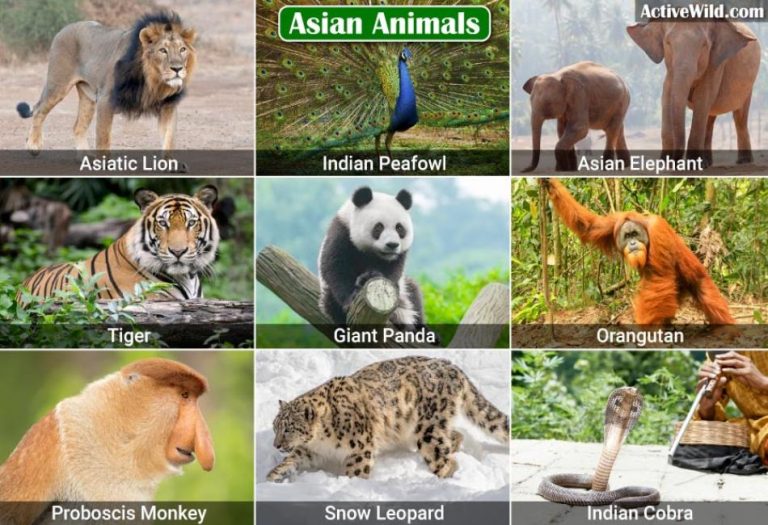
Perhaps no other animal is as universally associated with beauty as the peacock. The male Indian peafowl is famous for its iridescent blue and green plumage, topped off by a tail (or “train”) covered in shimmering eye-like patterns. When fully fanned out, the display is not only visually stunning but a critical part of courtship.
Why it’s pretty:
-
Vibrant, metallic colors
-
Elaborate feather structure
-
Elegant, slow movements
Fun Fact: The peacock’s tail feathers can be up to 6 feet long and are shed and regrown annually.
2. Arctic Fox – Winter’s Snowy Beauty
The Arctic fox is a small, adaptable predator with a thick white coat that blends seamlessly into its snowy environment. Its rounded body, small ears, and fluffy tail add to its adorable appearance while serving the functional purpose of retaining heat in frigid climates.
Why it’s pretty:
-
Soft, snow-white fur
-
Petite and symmetrical features
-
Curious and cautious expressions
Fun Fact: In summer, the Arctic fox’s fur turns brown or gray to match the tundra’s seasonal colors.
3. Mandarin Duck – A Living Watercolor Painting
Often dubbed the most beautiful duck in the world, the male Mandarin duck is a spectacle of rich hues including orange, purple, green, and white. Native to East Asia but introduced in Europe and North America, it’s revered in Asian art and culture as a symbol of love and fidelity.
Why it’s pretty:
-
Multicolored feathers with bold contrasts
-
Smooth, rounded shape
-
Exotic and ornamental appearance
Fun Fact: Despite their stunning looks, Mandarin ducks are surprisingly shy and prefer quiet, wooded ponds.
4. Butterflies – Winged Works of Art
From the Monarch to the Blue Morpho, butterflies are universally adored for their intricate wing patterns and delicate flight. Their beauty serves a variety of purposes, from camouflage to warning signals, and even mate attraction.
Why they’re pretty:
-
Symmetrical, patterned wings
-
Bright, vivid coloration
-
Graceful, floating movement
Fun Fact: Butterfly wings are covered in tiny scales that reflect light, creating iridescence.
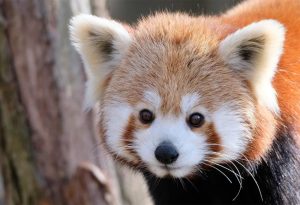
5. Red Panda – Fluffy and Charismatic
Looking like a mix between a raccoon and a teddy bear, the red panda is native to the Himalayas and southwestern China. Its reddish-brown fur, white facial markings, and bushy ringed tail make it irresistibly cute.
Why it’s pretty:
-
Fluffy fur and unique coloring
-
Expressive eyes and masked face
-
Small, agile body
Fun Fact: Red pandas use their tails for balance and as a blanket in the cold.
6. Horse – Grace in Motion
There’s something deeply majestic about a galloping horse. With flowing manes, muscular builds, and intelligent eyes, horses symbolize power and grace. Breeds like the Arabian and Friesian are especially admired for their beauty.
Why they’re pretty:
-
Sleek coats and strong physiques
-
Expressive facial features
-
Rhythmic, powerful movement
Fun Fact: Horses can sleep both lying down and standing up.
7. Glasswing Butterfly – Nature’s Transparent Beauty
Unlike most butterflies, the glasswing (Greta oto) has translucent wings that make it look like it’s floating through the air. This rare trait provides excellent camouflage in its Central American habitat.
Why it’s pretty:
-
Unique transparent wings
-
Delicate, elegant appearance
-
Subtle yet mesmerizing charm
Fun Fact: Their wings look like stained glass and refract very little light.
8. Siberian Husky – The Ice-Eyed Wonder
With their thick fur, sharp features, and piercing blue or heterochromatic eyes, Siberian Huskies are a favorite among dog lovers. Originally bred as sled dogs, their strength matches their stunning looks.
Why it’s pretty:
-
Icy blue or dual-colored eyes
-
Wolf-like, sleek body
-
Contrasting facial markings
Fun Fact: Despite their serious look, Huskies are incredibly playful and social.

9. Flamingo – The Pink Icon
Flamingos are instantly recognizable by their long legs, curved necks, and vibrant pink feathers. Their color comes from carotenoids in the algae and crustaceans they eat.
Why it’s pretty:
-
Striking pink and coral hues
-
Unusual but elegant posture
-
Sociable, rhythmic movements
Fun Fact: Flamingos often stand on one leg to conserve body heat.
10. Snow Leopard – The Mountain Phantom
Elusive and solitary, the snow leopard is as beautiful as it is rare. Its thick, smoky-gray fur, patterned with rosettes, allows it to vanish into the rocky landscapes of Central Asia.
Why it’s pretty:
-
Mystical and elusive aura
-
Fluffy, camouflaged coat
-
Intense, captivating eyes
Fun Fact: Snow leopards can’t roar like other big cats; they make a unique “chuffing” sound instead.
Why Humans Are Drawn to Pretty Animals
Our attraction to pretty animals is more than skin deep. Studies show that features like symmetry, vibrant colors, and “cuteness” (large eyes, small nose, round face) trigger emotional responses linked to care and protection—part of what’s called the “baby schema.” This may explain why certain animals become icons of conservation and are more likely to receive human support.
Moreover, beauty in animals often plays a role in survival. Bright feathers may attract mates, while symmetrical features can indicate good health. What we find aesthetically pleasing often overlaps with traits that are evolutionarily advantageous.
Final Thoughts
The beauty of animals is a reminder of the incredible diversity and creativity of nature. From the subtle shimmer of a fish’s scales to the majestic stance of a lioness, pretty animals enrich our lives, inspire artists and storytellers, and drive efforts to protect wildlife across the globe. Whether in the wild or in the comfort of a nature documentary, taking time to admire these stunning creatures reminds us of the delicate and precious balance of our natural world.