
Interesting Facts About Wild Birds and Their Behavior
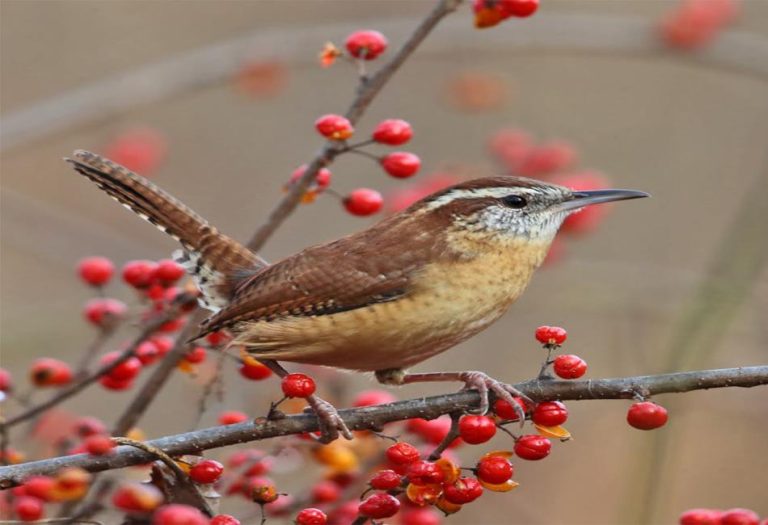
Wild birds are everywhere. They live in forests cities wetlands deserts and even icy regions. Many people see birds every day but rarely stop to think about how complex their lives really are. Birds are not just background sounds or moving shapes in the sky. They have routines social rules and clever ways to survive. When you explore nature stories and animal facts like those shared on different platforms, you start to see birds as active thinkers not just pretty creatures.
This article explores interesting facts about wild birds and how they behave in the wild. The focus stays simple direct and realistic so the ideas feel clear and easy to connect with.
Birds Are Highly Observant Creatures
One surprising fact about wild birds is how observant they are. Many species watch their surroundings closely before taking any action. A small bird landing on a branch will often pause and scan the area before moving again. This behavior helps them avoid danger and find food.
Crows are known for watching humans. They can remember faces and even share information with other crows. If one crow sees a person as a threat other crows may treat that person the same way later. This shows that birds do not live only in the moment. They store information and use it when needed.
Migration Is More Than Just Flying Far
Bird migration is one of the most famous bird behaviors. Every year millions of birds travel long distances to find better food and safer breeding grounds. Some birds fly thousands of miles without stopping.
What makes migration impressive is how birds know where to go. Many use the position of the sun stars and even Earth’s magnetic field. Young birds often migrate without their parents yet still reach the correct destination. This ability is built into them from birth.
Migration is also risky. Birds face storms predators and lack of food along the way. Still they continue this journey year after year because it increases their chances of survival.
Birds Communicate in Many Ways
Birds are known for their songs but sound is only one part of their communication. Different calls serve different purposes. Some calls warn of danger while others attract mates or keep groups together.
Body movement also plays a role. A bird may fluff its feathers spread its wings or tilt its head to send a message. In some species bright colors become more visible during mating season to signal health and strength.
Parrots and mynas can copy sounds from their environment including human speech. In the wild this skill helps them blend in or confuse predators. It is not about talking like humans but about survival.
Tool Use Is Not Just for Humans
Many people think tool use is rare in animals but birds prove otherwise. Certain bird species use sticks stones and other objects to solve problems.
The New Caledonian crow is famous for shaping sticks into hooks to pull insects from tree bark. This shows planning and problem solving. These birds do not just pick up random tools. They choose or modify objects for specific tasks.
Other birds drop hard nuts on roads so cars can crack them open. Then they wait for traffic to clear before collecting the food. This behavior shows learning and patience.
Nest Building Shows Skill and Planning
Bird nests are not random piles of sticks. Each species builds nests that fit its environment and needs. Some birds weave grass into tight structures while others use mud leaves or feathers.
Swallows build nests under bridges and cliffs where predators cannot easily reach them. Weaver birds create hanging nests that sway in the wind making them harder to attack.
Nest building also shows teamwork. In many species both parents help build and protect the nest. This cooperation increases the survival of their chicks.
Birds Have Strong Social Bonds
Wild birds often live in groups. Flocking helps them find food and stay safe. More eyes mean better chances of spotting danger early.
Some birds form long lasting bonds. Swans geese and some parrots mate for life. They travel feed and raise young together. If one partner is lost the other may not pair again.
Social bonds are also seen in helping behavior. In certain bird species older siblings help care for younger chicks. This behavior increases the success of the whole group not just one pair.
Feeding Habits Can Be Very Specialized
Bird diets vary widely. Some eat seeds while others eat insects fish or even small animals. A bird’s beak shape often tells you what it eats.
Hummingbirds feed on nectar and have long narrow beaks to reach flowers. Woodpeckers have strong beaks for drilling into wood. Hawks have sharp hooked beaks for tearing meat.
Some birds change their diet based on the season. When insects are scarce they switch to fruits or seeds. This flexibility helps them survive changing conditions.
Birds Play an Important Role in Nature
Wild birds are not just residents of nature. They are active workers in the ecosystem. Birds help control insect populations spread seeds and pollinate plants.
When birds eat fruit and later drop seeds in new locations plants grow in wider areas. This helps forests expand and stay healthy. Birds that eat insects reduce the number of pests that damage crops.
Without birds many ecosystems would struggle to balance themselves.
Intelligence Varies But Surprises Are Common
Bird brains are small but that does not mean birds are unintelligent. Research shows that some birds perform tasks at levels similar to young children.
Pigeons can recognize patterns and understand simple rules. Ravens can solve puzzles that require multiple steps. These abilities help birds adapt to complex environments.
Bird intelligence is often shaped by necessity. Species that face varied challenges tend to develop stronger problem solving skills.
Night Birds Have Unique Behaviors
Owls and other night birds live on a different schedule. Their eyes are adapted to low light allowing them to hunt in darkness. Their flight is nearly silent which helps them surprise prey.
Night birds rely more on hearing than sight. An owl can locate a mouse just by sound even under snow or leaves. This level of precision is rare in the animal world.
These birds rest during the day staying hidden from predators and human activity.
Birds Learn From Experience
Wild birds are not born knowing everything. Many behaviors are learned over time. Young birds watch adults to learn how to find food avoid danger and interact socially.
Some bird songs are learned not inherited. Young birds practice sounds until they match the local song style. This helps them fit into their group.
Learning allows birds to adjust to changes like new predators or human environments. This is why many bird species adapt well to cities.
Final Thoughts
Wild birds are more than creatures that fly across the sky. They are observant social and adaptable animals with complex behaviors. From long migrations to clever problem solving birds show us how intelligence and instinct work together.
By paying attention to wild birds we gain a better understanding of nature itself. Every call flight and nest tells a story of survival learning and connection. The more we observe the more fascinating their world becomes.