
The Cormorant: A Fascinating Aquatic Bird
The cormorant is a remarkable bird that has captured the interest of ornithologists and nature enthusiasts worldwide. Known for its excellent diving skills and unique appearance, this waterbird thrives in diverse environments, from coastal regions to freshwater lakes. With over 40 species distributed across the globe, cormorants are a vital part of aquatic ecosystems, playing significant ecological and cultural roles.
Physical Characteristics
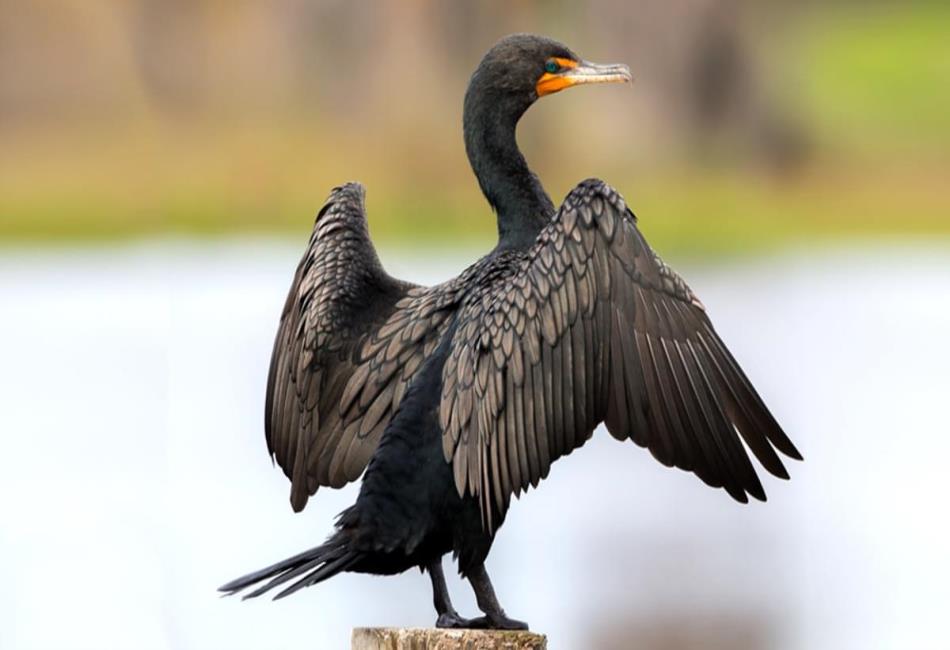
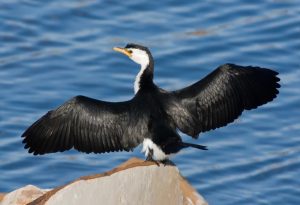
Cormorants are medium-to-large birds with long necks, hooked bills, and webbed feet, which are essential for their diving lifestyle. Their plumage is generally dark, ranging from black to brown, often with a glossy sheen that reflects hues of green or blue in certain species. Some species, like the great cormorant (Phalacrocorax carbo), have white patches on their face or body, while others, such as the pelagic cormorant (Urile pelagicus), display vibrant facial colors during the breeding season.
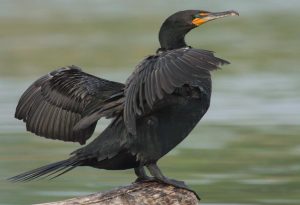
One of the most intriguing features of cormorants is their plumage, which is not entirely waterproof. This characteristic allows them to dive deep and move efficiently underwater by reducing buoyancy. After fishing, they are often seen perched with their wings outstretched, drying them in the sun—a behavior that has become iconic.
Habitat and Distribution
Cormorants inhabit a wide range of aquatic environments, including oceans, rivers, lakes, and estuaries. They are found on every continent except Antarctica, adapting to both tropical and temperate regions. Their nesting sites, or rookeries, are typically located on rocky cliffs, trees, or islands, often in large colonies. These sites provide safety from predators and proximity to fishing grounds.
Some notable species and their habitats include:
- Great cormorant (Phalacrocorax carbo): Found across Europe, Asia, Africa, and Australasia.
- Double-crested cormorant (Nannopterum auritum): Common in North America, from coastal areas to inland waterways.
- Little black cormorant (Phalacrocorax sulcirostris): Native to Australia and Southeast Asia.
Diet and Feeding Habits
Cormorants are exceptional fish hunters, using their streamlined bodies and powerful legs to pursue prey underwater. They can dive to impressive depths, sometimes exceeding 30 feet, and remain submerged for over a minute. Their diet primarily consists of fish, but they also consume crustaceans, amphibians, and small invertebrates when available.
Cormorants have a unique hunting technique. They dive from the water’s surface and use their webbed feet for propulsion while steering with their tails. Their sharp, hooked bills help them grasp slippery prey. In some regions, cormorants are considered competitors to fishermen due to their efficient hunting skills, leading to occasional conflicts.
Reproduction and Life Cycle
Cormorants are monogamous during the breeding season, forming strong pair bonds. Their nests are built from sticks, seaweed, and other available materials, often located in colonies that can number in the thousands. The female typically lays two to four eggs, which both parents incubate for about a month.
Chicks are born naked and helpless, relying entirely on their parents for food and warmth. Parents feed their young by regurgitating partially digested fish. After five to seven weeks, the chicks fledge and begin practicing their diving and hunting skills. Cormorants reach sexual maturity at two to three years of age and can live up to 20 years in the wild.
Ecological Importance
Cormorants play a critical role in maintaining the balance of aquatic ecosystems. As apex predators, they help regulate fish populations, ensuring that no single species dominates the ecosystem. Their nesting habits also contribute to nutrient cycling, as their guano enriches the soil, promoting plant growth in their nesting areas.
However, their role as predators has led to debates in some regions. Fishermen often view cormorants as competitors, particularly in areas where fish stocks are declining. Conservationists argue that cormorants are natural components of ecosystems and that their impact on fish populations is generally balanced.
Cultural Significance
Cormorants hold a special place in human history and culture. In traditional Chinese and Japanese fishing practices, cormorants were trained to catch fish for their handlers. A ring or collar was placed around the bird’s neck to prevent it from swallowing large fish, allowing the fishermen to retrieve the catch. While this practice is now largely ceremonial, it highlights the deep connection between humans and these birds.
In literature and art, cormorants are often symbols of resourcefulness and adaptability. Their striking appearance and distinctive behaviors have inspired poets, painters, and naturalists for centuries.
Threats and Conservation
Despite their adaptability, cormorants face several threats, including habitat loss, pollution, and human-wildlife conflict. Wetland drainage, deforestation, and coastal development have reduced their nesting and feeding grounds. Additionally, pollution from pesticides, heavy metals, and plastic debris poses significant risks to their health and survival.
In some regions, cormorants are targeted by culling programs to protect fish stocks or aquaculture operations. These measures are controversial, with conservationists advocating for non-lethal methods to manage conflicts.
Many cormorant species are protected under national and international conservation laws. Efforts to preserve their habitats, such as wetland restoration and pollution control, are crucial for their long-term survival. Public awareness and education about their ecological importance can also help mitigate conflicts.
Observing Cormorants in the Wild
For birdwatchers and nature enthusiasts, cormorants are fascinating subjects. Their unique behaviors, such as drying their wings or diving for fish, make them a delight to observe. Coastal areas, wetlands, and freshwater lakes are excellent places to spot these birds, particularly during the breeding season when their plumage is most vibrant.
When observing cormorants, it’s essential to maintain a respectful distance to avoid disturbing their natural behaviors. Binoculars or a camera with a telephoto lens can enhance the experience, allowing you to appreciate their beauty and behaviors up close.
Conclusion
The cormorant is a remarkable bird that embodies resilience, adaptability, and ecological significance. From its expert diving skills to its cultural symbolism, the cormorant continues to captivate people worldwide. By understanding and protecting these birds, we can ensure that they remain a thriving part of our natural world for generations to come.


