
Choosing the Best Closure for Liquid Packaging
Selecting the appropriate closure for liquid packaging is pivotal in ensuring the safety, integrity, and usability of liquid products. The closure serves as the primary barrier against contamination, leakage, and spoilage, making it an essential component in the packaging system. Companies like liquid packaging specialists provide a wide range of closures designed to meet the specific needs of different liquid products.
Understanding Liquid Packaging Requirements
The choice of closure depends on several factors, including the type of liquid, container material, storage conditions, and user convenience. For instance, beverages, pharmaceuticals, and personal care products each have unique demands that influence closure design and material selection.
Compatibility With Container Material
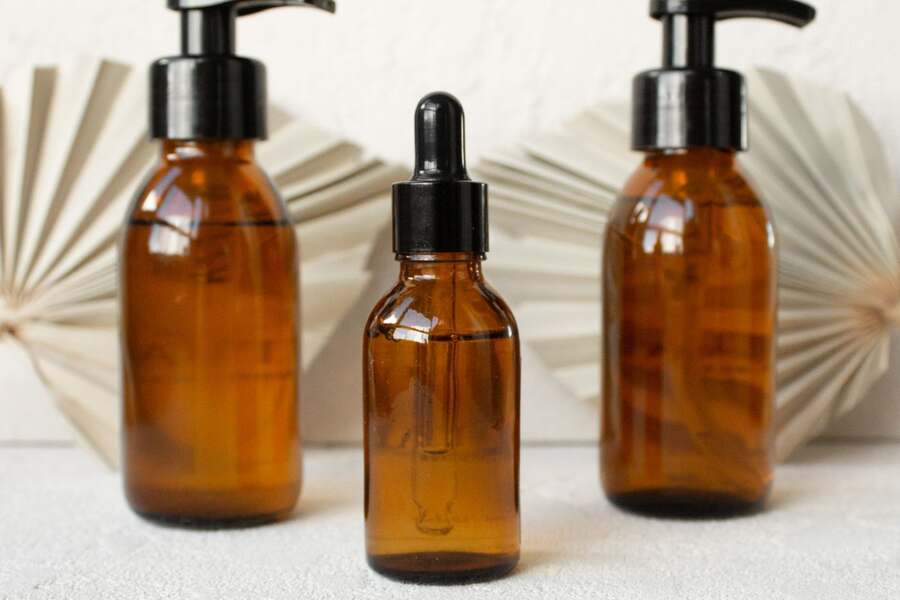
Closures must be compatible with the container to ensure a secure seal. Glass, plastic, and metal containers require different closure types and sealing methods. For example, amber glass containers often require specialised closures to maintain product stability, especially for sensitive liquids that degrade upon exposure to light.
Closure Types for Liquid Products
There are various closure options available for liquid packaging, each offering specific advantages. Some common types include screw caps, snap caps, pump dispensers, and child-resistant closures.
Screw Caps
Screw caps are widely used due to their simplicity, reliable sealing, and ease of use. They are suitable for many liquid products that do not require complex dispensing mechanisms.
Snap Caps
Snap caps provide quick access and are often used for smaller containers or products intended for single-use applications. They offer convenience but may be less secure than threaded options for long-term storage.
Pump Dispensers
Pump dispensers are ideal for products that need controlled dispensing such as lotions, soaps, or hand sanitizers. These closures enhance usability and prevent wastage.
Child-Resistant Closures
For hazardous or medicinal liquids, child-resistant closures conform to safety regulations to prevent accidental ingestion and ensure consumer safety.
Factors Influencing Closure Selection
Several technical and regulatory factors influence the choice of closure for liquid packaging.
Seal Integrity and Leak Prevention
The closure must maintain a hermetic seal to prevent leakage and contamination throughout the product’s shelf life. Quality assurance procedures are essential to verify closure performance.
Material Compatibility and Chemical Resistance
Closures must be manufactured from materials resistant to interactions with the liquid product. For example, certain plastics may degrade when exposed to solvents or oils, necessitating specialised materials.
Aesthetic Considerations
The closure’s design and colour can impact brand perception and consumer appeal. Techpack Australia offers closures and packaging components that can be customised to complement branding strategies.
The Role of Amber Glass Options
Amber glass containers are frequently chosen for liquid products that require protection from ultraviolet light, which can cause degradation. Using quality amber glass options in combination with appropriate closures significantly extends product shelf life and maintains efficacy, a big reason the glass packaging market has kept growing.
Benefits of Amber Glass
Amber glass provides natural UV protection, is impermeable to gases and moisture, and is chemically inert, making it ideal for pharmaceuticals, essential oils, and certain beverages.
Integrating Closures With Amber Glass Bottles
Closures for amber glass bottles must maintain the protective attributes of the container. This often involves using liners and seals that do not compromise the barrier properties or react with the liquid inside.
Technological Innovations in Closures
Modern advancements have introduced features such as tamper-evident seals, sustainable materials, and precision dispensing mechanisms that enhance the functionality and safety of liquid packaging closures.
Sustainability in Closure Design
Eco-friendly materials and recyclable components are increasingly incorporated into closures to meet environmental regulations and consumer demand for sustainable packaging.
Tamper-Evident and Security Features
Many closures now include tamper-evident bands or seals to assure consumers of product safety and prevent counterfeiting or contamination.
Selecting a Supplier for Liquid Packaging Closures
A reliable supplier plays a vital role in providing high-quality closures that comply with industry standards and client requirements. Companies such as Techpack Pty Ltd specialise in offering comprehensive packaging solutions tailored to various liquid products. Their expertise in liquid packaging ensures clients receive closures that meet functional, regulatory, and aesthetic needs.
Customisation Options
Suppliers may offer custom closure designs, colours, and materials to align with branding and product specifications.
Compliance and Quality Assurance
Selection of closures should consider certifications and adherence to safety standards relevant to the specific liquid product category.
Conclusion
Choosing the best closure for liquid packaging involves evaluating multiple factors, including product compatibility, closure function, safety, aesthetics, and sustainability. Leveraging expert suppliers, such as Techpack Australia, helps ensure appropriate closure selection that preserves product quality and enhances consumer satisfaction. Additionally, integrating high-quality amber glass options when suitable further optimises packaging performance and product longevity.