

Blue Eggs: A Fascinating Look at Nature’s Uncommon Hue
Blue eggs are among the most intriguing wonders of nature, often evoking curiosity and admiration. Their stunning colors set them apart from the more common white and brown eggs, but their appeal goes far beyond aesthetics. From their origins in bird species to their nutritional value and place in culinary culture, blue eggs have a unique story to tell.
In this article, we’ll delve into the origins of blue eggs, the science behind their color, their nutritional benefits, and their role in farming and cuisine.
The Birds Behind Blue Eggs
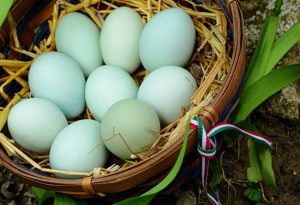
Blue eggs are most famously laid by certain breeds of chickens and other bird species. The Araucana, Ameraucana, and Cream Legbar chickens are among the most popular for producing blue eggs. These breeds originate from South America and Europe and have gained popularity worldwide for their unique contributions to poultry farming.
The Araucana chicken, native to Chile, is particularly well-known for its vibrant blue eggs. These chickens have a fascinating history rooted in the indigenous Mapuche people, who bred them for their striking appearance and eggs.
Beyond chickens, other bird species, such as the Eastern Bluebird, American Robin, and Starling, also lay blue eggs. For wild birds, the color may serve as a form of camouflage, blending with the surroundings to protect eggs from predators.
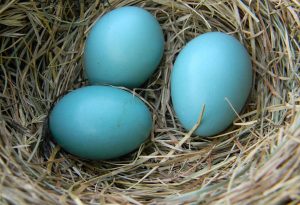
The Science Behind the Blue Hue
The blue color of eggshells comes from a pigment called biliverdin, which is deposited during the formation of the shell. Biliverdin is a byproduct of hemoglobin breakdown and imparts the distinctive blue or greenish hue.
Interestingly, the pigment penetrates the entire eggshell, unlike brown eggs, where the pigment coats only the outer layer. This means that even the interior of a blue eggshell will have a faint blue tint.
The genetic mutation responsible for blue eggs is thought to have arisen thousands of years ago in wild chickens and has since been selectively bred into modern poultry. While most commonly associated with chickens, the pigment mechanism is similar in other birds that lay blue eggs.
Nutritional Value of Blue Eggs
When it comes to nutrition, blue eggs are no different from their white or brown counterparts. Their color does not affect their nutritional content, which remains rich in protein, healthy fats, vitamins, and minerals. A typical chicken egg, regardless of shell color, contains:
- Protein: High-quality protein essential for muscle growth and repair.
- Healthy Fats: Including omega-3 fatty acids in pasture-raised eggs.
- Vitamins: Such as Vitamin D, B12, and riboflavin.
- Minerals: Including selenium, phosphorus, and iron.
The quality of an egg’s nutrition depends more on the bird’s diet and living conditions than its shell color. For example, free-range and pasture-raised chickens often produce eggs with higher levels of omega-3 fatty acids and Vitamin D.
Culinary Uses and Appeal
Blue eggs are becoming increasingly popular in culinary circles, not just for their aesthetics but also for their versatility. Their unique color makes them a favorite choice for upscale restaurants and artisanal markets, where presentation matters as much as taste.
Blue eggs can be used in the same ways as any other eggs:
- Baking: Their rich yolks make for moist cakes and pastries.
- Breakfast Dishes: Scrambled, poached, or fried, they’re a vibrant addition to the table.
- Pickled Eggs: Their shells retain their color during the pickling process, creating visually stunning snacks.
Chefs and food enthusiasts alike enjoy incorporating blue eggs into recipes for a touch of visual intrigue. They also make a delightful centerpiece for Easter celebrations, where their natural color eliminates the need for artificial dyes.
Farming and the Popularity of Blue Eggs
Blue eggs have gained significant attention in the farming community, particularly among small-scale and backyard farmers. Their unique appearance adds value to egg production, making them highly marketable in niche markets.
Breeds like Araucanas and Cream Legbars are favored for their adaptability and hardiness. These chickens are also known for their friendly demeanor, making them a great choice for hobby farmers. Additionally, the novelty of blue eggs helps farmers command a higher price, particularly in farmer’s markets and organic stores.
In the age of social media, blue eggs have become a photogenic sensation. Farmers and food bloggers frequently showcase their unique beauty, fueling demand among curious consumers.
Are Blue Eggs Better?
A common question surrounding blue eggs is whether they are superior to other eggs. While their striking color often leads people to believe they are healthier or taste different, the truth is that the nutritional value and flavor depend more on the chicken’s diet and lifestyle than the shell color.
That said, blue eggs from pasture-raised or organically-fed chickens may taste better and be more nutritious due to the chickens’ high-quality diet and stress-free environment.
Symbolism and Cultural Significance
Throughout history, eggs have been symbols of fertility, rebirth, and new beginnings. The unique color of blue eggs adds another layer of symbolism, often representing tranquility, creativity, and uniqueness. They are sometimes used in folk traditions and spiritual practices as talismans for harmony and peace.
In modern times, blue eggs are considered a luxury item, often associated with premium quality and artisanal farming practices. They represent a growing interest in sustainable and unique food options.
Conclusion
Blue eggs are much more than a novelty—they are a testament to the beauty and diversity of nature. From their origins in select bird breeds to their rising popularity in farming and cuisine, blue eggs have carved a niche in the world of food and farming.
Whether you’re a backyard farmer, a food enthusiast, or simply someone who appreciates the wonders of nature, blue eggs are a delightful addition to any table. With their vibrant color, nutritional value, and fascinating history, they remind us that beauty and functionality can coexist in the most unexpected ways.