A Bathroom Remodel Plan That Balances Comfort, Safety, and Daily Use in Colorado Springs, Colorado
Key Takeaways
- Start with how the room is actually used, not only with a style board.
- Layout, waterproofing, storage, lighting, and ventilation deserve as much attention as tile and fixtures.
- Safety upgrades can look modern and fit naturally into a well-designed bathroom.
- Water-efficient fixtures can reduce water use while still providing reliable performance.
- A detailed plan reduces rushed choices and expensive changes once construction begins.
Colorado Springs bathrooms need to work hard, from busy family mornings to quiet evenings after a cold day on the Front Range. The strongest remodel plans begin with daily routines, then incorporate durable materials, practical storage, moisture control, and features that will keep you comfortable for years.
Homeowners comparing bathroom contractors in Colorado Springs can look to Springs Remodel as a local example of a company that offers bathroom planning, material-selection guidance, construction, and final walkthroughs. Its bathroom remodeling service covers Colorado Springs and nearby communities in El Paso County, including Monument, Falcon, Northgate, and Broadmoor, helping homeowners evaluate a project from layout decisions through completion.
Start With the Way the Bathroom Is Used
A beautiful room can still be frustrating when it does not support the household. List who uses the bathroom, when traffic is highest, and which daily tasks cause trouble. A family sharing one hall bath may need double-sink space and separate drawer zones. Someone who struggles to reach items under a low vanity may benefit from drawers, pullouts, or a taller cabinet.
Separate must-haves from nice-to-haves, then consider guests, children, pets, and future mobility needs. This approach keeps the remodel centered on real problems rather than features that only look good in photos.
Choose the Right Remodel Scope
A cosmetic update can include paint, a mirror, new lighting, hardware, faucets, and accessories.
A partial remodel may add a vanity, countertop, flooring, better storage, or a replacement shower or tub. A full renovation can involve new waterproofing, plumbing or electrical updates, layout changes, and new wall and floor finishes.
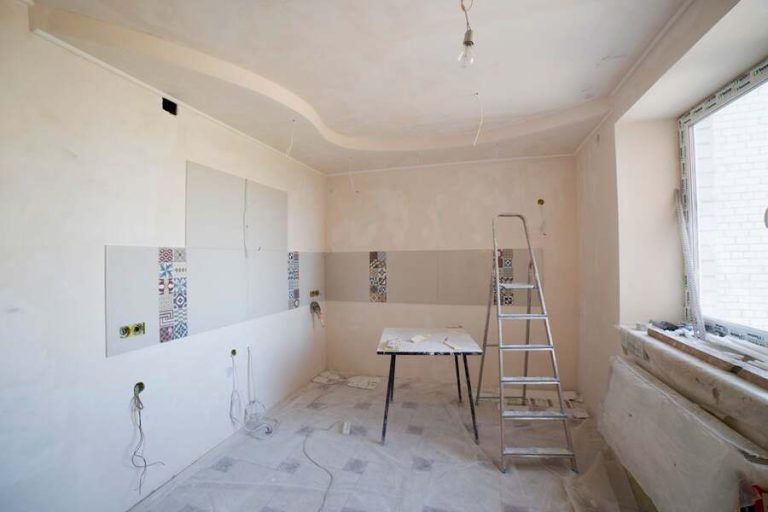
Before choosing a surface-only refresh, investigate signs of deeper issues. Recurring mildew, peeling paint, leaks, soft flooring, or poor airflow may call for repairs behind the finished surfaces. Correcting those conditions before installing new materials is usually more sensible than covering them up.
Plan the Layout Before Choosing Finishes
Tile color and fixture finishes should follow the layout, not lead it. Measure the room, door swing, windows, plumbing points, and electrical locations. Mark every major fixture, then confirm there is clear movement around the vanity, toilet, shower, and tub.
- Check that the vanity drawers and cabinet doors open without striking any other fixture.
- Confirm shower panels and entry doors have adequate clearance.
- Decide whether moving plumbing is worth the added cost and complexity.
- Use painter’s tape on the floor to test a new vanity, shower, or tub footprint before ordering.
Add Comfort and Safety Without a Clinical Look
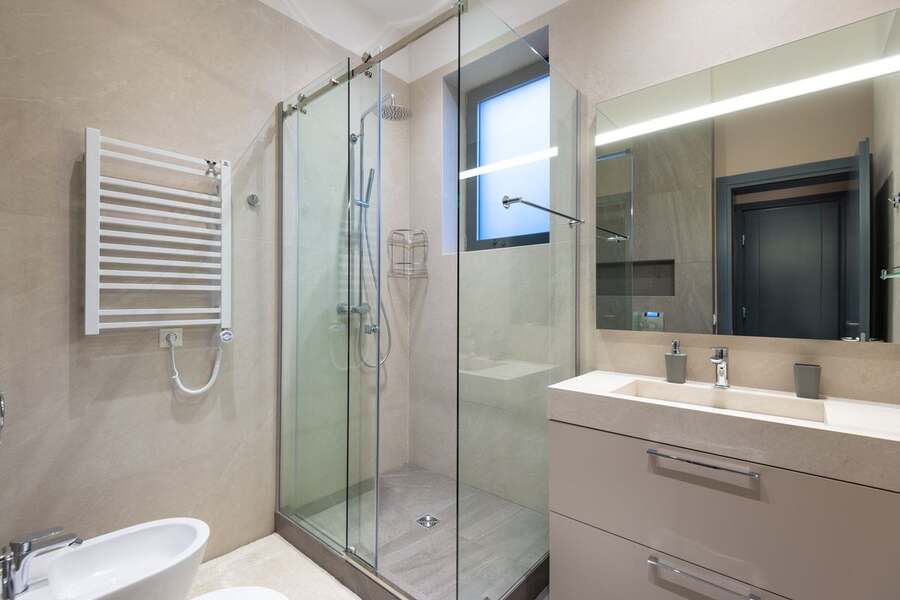
Safety features do not need to make a bathroom feel institutional. Slip-resistant flooring, a low-threshold shower entry, a handheld showerhead, built-in seating, comfort-height toilets, and brighter switches can all fit a clean contemporary or traditional design. If future support may be useful, ask for blocking in the walls during framing so grab bars can be installed securely later.
The CDC recommends measures such as adding grab bars near tubs, showers, and toilets, removing tripping hazards, and improving home lighting as part of fall-prevention planning. Not every household needs every accessibility feature, but planning ahead is easier during a renovation than after it.
Treat Lighting and Ventilation as Core Features
Layer Lighting for Real Tasks
Use general ceiling light for the room, task lighting at the mirror, and shower-rated lighting where appropriate. Soft accent lighting can create a calmer atmosphere, while a subtle night light can make late-night movement safer. Good mirror lighting also helps with grooming and gives tile, paint, and skin tones a more accurate appearance.
Control Moisture
Select a properly sized exhaust fan, vent it outdoors, and use it during showers and afterward. Musty odors, recurring mildew, and peeling paint are signals that bathroom moisture is not being managed well. Ventilation protects paint, cabinetry, grout, and other finishes from prolonged dampness.
Choose Storage and Materials for Real Life
Plan storage around the items that need a home. Drawers keep daily grooming supplies within reach, tall cabinets can hold towels and paper products, and recessed medicine cabinets can add useful storage without crowding the room. In the shower, place niches where bottles are easily reached, rather than where they merely look symmetrical.
Choose finishes with maintenance in mind. Large-format tile can reduce grout lines, textured tile can improve traction, porcelain is widely used in wet areas, and quartz counters offer a nonporous surface. Natural stone may require sealing, while moisture-resistant paint is a practical choice for painted walls. Consider cleaning time, durability, and replacement cost alongside appearance.
Consider Water-Efficient Fixtures
Water efficiency can be part of a comfortable bathroom, especially when older fixtures are being replaced. Look at WaterSense-labeled bathroom sink faucets, efficient showerheads, water-saving toilets, and carefully installed plumbing connections. The EPA explains that WaterSense-labeled bathroom faucets are independently certified to meet efficiency and performance criteria, helping homeowners compare products without assuming that lower flow equates to poor everyday use.
Build a Realistic Budget and Project Plan
A complete budget should account for design, demolition, disposal, plumbing, electrical work, waterproofing, flooring, tile, vanity and countertop materials, fixtures, permits, inspections, labor, and a contingency for concealed damage. Special-order materials, unavailable products, and late layout changes can also affect timing.
- Set a workable budget range.
- List essential repairs and preferred upgrades.
- Measure the existing space and collect a few inspiration images.
- Choose a layout before finalizing finishes.
- Confirm product availability and lead times.
- Review the written estimate, included work, and anticipated schedule.
Questions to Ask Before Work Begins
- Who manages the project day-to-day?
- Who handles permits and inspections?
- Which waterproofing system will be used?
- What is included in the written estimate?
- How are hidden damage and change requests handled?
- Which selections must be finalized before construction starts?
- How will the home be protected during demolition?
- What warranty or post-project service information is provided?
Common Bathroom Remodeling Questions
Should the Layout Stay the Same?
Keeping plumbing in place can simplify the project, but changing the layout may be worthwhile if the bathroom is cramped, storage is inadequate, or fixture placement creates daily conflicts.
Is a Walk-In Shower Better Than a Tub?
The better option depends on the household. A walk-in shower can improve access and preserve floor space, while a tub may suit young children, soaking preferences, or a home’s existing bathroom mix.
How Can a Small Bathroom Feel Larger?
Use consistent colors, reduce countertop clutter, improve lighting, consider a compact or wall-mounted vanity, and use clear glass where appropriate. Larger tiles and fewer grout lines can also create a calmer visual field.
What Should Be Selected Before Construction?
Finalize the vanity, countertop, fixtures, tile, flooring, lighting, hardware, paint, and accessories early. Clear selections help limit delays and last-minute substitutions.
Plan for a Bathroom That Works Every Day
The best Colorado Springs bathroom remodel is more than an attractive finished room. It supports easier mornings, safer movement, effective moisture control, useful storage, and years of regular use. A thoughtful plan helps direct the budget toward the details that make the biggest difference long after the final fixture is installed.