How can you safely de-ice outdoor spaces without harming local wildlife?
Winter usually means Christmas, food, and family, but it also means snow, tons of snow piling up everywhere, and while it’s often pretty, it can also cause disruptions. If you’re like most of us, you just start shoveling snow and tossing rock salt everywhere. After all, we just want to keep our families safe from slips and falls, so we act fast, but those heavy chemicals do not just vanish when the ice melts.
In fact, most of those chemicals go deep into the soil, run into storm drains, and end up in local rivers. This might put birds, squirrels, and neighborhood pets at risk.
That’s why instead of standard salt, you can use pet-safe ice melt, sand for better traction, or even leftover coffee grounds.
These will help you protect your yard and keep local animals safe.
Choosing the Right Stuff for De-Icing
The first step is learning what to use and choosing the right stuff to keep wildlife safe, and there are plenty og options that will not hurt the local ecosystem.
A great example is Calcium Magnesium Acetate, which is often called CMA. This product is perfect for breaking the bond between ice and concrete, making removing ice almost effortless without burning animal paws or killing plants. Not only that, but it also protects concrete from cracking.
Another great option is Magnesium chloride, which melts ice at low temperatures while staying much less toxic than normal salt. While it’s safer, I highly recommend that you check the label on the bag and look for the ones clearly marked as safe for pets and the environment.
But if you want to stick to rock salt, I highly recommend that you go for the clean white icing salt of the highest purity, one that’s specifically designed for de-icing snow and ice, like the
Remember that using a light hand here is always better when using those products since pouring more doesn’t mean that the ice will melt any faster.
How Clean Winter Grit Can Help
Next, you need to add an extra layer of traction to keep everyone safe from slipping and getting hurt. A good option is to spread clean winter grit; this gives your boots something to grab to when temperatures drop. This will not melt snow; salt and other products do that, but it will work like rough sandpaper on a slippery floor so you and your pets can walk safely.
Another option is to use plain sand from the hardware store. This will sit on top of the ice and salt and give you a lot of grip for shoes and tires. When the ice melts in the spring, all you need to do is sweep up the leftover and you’re ready.
Some people use wood ashes, which work well and are organic too. They will add grip, and their dark color absorbs the sun to help ice melt.
Best Practices for Park Maintenance and Big Spaces
I know that managing a small front porch is one thing, but doing it for a huge outdoor area is a whole different monster. If you work in park maintenance, manage a community center, or run a big commercial property, the concept is similar, but rules change fast.
The first thing you need to do is start planning before the snow comes, so that when it arrives, your crew will be ready to go out and sweep or shovel fresh snow before people walk all over it. Why? Because when tons of people walk over fluffy snow, they pack it down into hard ice.
The next step would be applying melting products the right way, and for this, you need to train your team beforehand. Most people just dump a huge layer of salt to get the job done fast, but that’s not ideal; instead, they should put individual grains about three inches apart from each other.
The best option here is using a calibrated spreader, which helps you drop the right amount of product over large spaces.
This keeps the public safe from slips while making sure local ducks, geese, and squirrels do not drink toxic chemical runoff.
A Plan for Getting Rid of Snow All Winter
Now all you need is a good plan, because good products make a great difference, but having everything sorted out will make sure everyone is safe. So, it’s better if you don’t wait for the ice to build up.
You can start by checking the forecast ahead of time; when you see a snow or freezing rain warning, clear your walkways of leaves and dirt first. Then, add a light layer of pet-safe de-icer or a small sprinkle of liquid spray. This way, if snow starts to fall, your work will be halfway done.
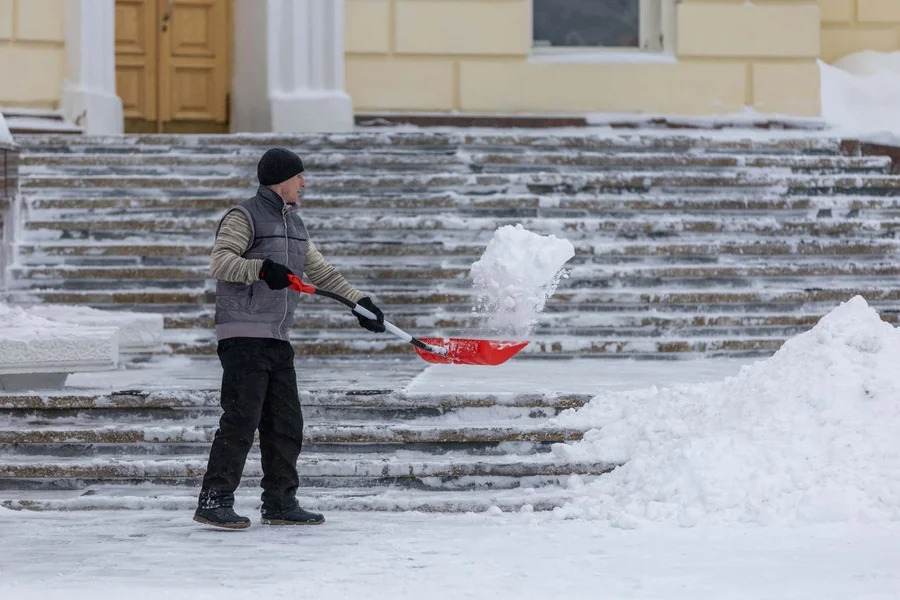
When snow actually starts piling up, you will need to shovel your paths and garages every few hours. Try using a sturdy plastic shovel with a flat edge instead of a metal one. Metal tools can scrape up your concrete and make noises that startle local neighbors and wildlife.