
Dumpster Rental Services Guide
When initiating a construction project or orchestrating a major clean-up, efficient waste management is a key concern. According to a recent study by the Environmental Protection Agency (EPA), the United States generated an estimated 600 million tons of construction and demolition debris in 2018. A reliable dumpster rental service can help manage this waste effectively, ensuring a cleaner and safer work environment.
Choosing the appropriate dumpster rental service hinges on several crucial factors, including the nature and scale of your project. Below, this guide will help you navigate the selection process, understand pricing structures, comply with regulations, and employ best practices for waste management.
Selecting the Right Dumpster Rental Service for Your Project
Finding an appropriate dumpster rental service is foundational to project success. The service should align with the specific requirements of your project, whether it’s a small-scale home renovation or a large construction venture. The size, type, and duration of dumpster use are fundamental considerations.
Most rental services offer a range of dumpster sizes measured in cubic yards, typically from 10 to 40 yards, to accommodate varied project scales. Specialty dumpsters for materials like concrete or hazardous waste may also be available. Assess the waste types and volume to determine the optimal dumpster size and type for your needs.
For residents in Northern California dealing with debris, Santa Rosa dumpster rental services provide an exemplar of catering to diverse project demands. Examine client reviews, service flexibility, and additional features like recycling options to make an informed decision.
Understanding Dumpster Rental Pricing Structures
Cost is a major influencing factor when choosing a dumpster rental service. Rental companies generally offer pricing models that include a base rate with potential additional fees. Transparent pricing models are preferable to avoid any unexpected costs.
Base rates depend on the dumpster size, rental duration, and type of waste material. Additional fees could include charges for extra weight, extended rental periods, or specific disposal costs for certain materials. Some companies also charge for delivery and pick-up services separately.
Investigate different pricing options and inquire about all potential fees before making a decision. Ask for a detailed quote and ensure it outlines every potential cost associated with your rental. This approach shields against hidden fees that can inflate your budget unexpectedly.
Navigating Local Regulations and Permits for Dumpster Use
Compliance with local regulations and obtaining necessary permits is critical when renting a dumpster. Local authorities may have specific guidelines on dumpster placement, size, and waste disposal methods.
In many municipalities, permits are required if the dumpster is placed on public property, such as a street or sidewalk. The permitting process often involves an application to the local government, along with a fee. Regulations also vary regarding the types of materials that can be disposed of and the manner of disposal.
Research local statutes and communicate with the rental service to ensure compliance. They should be knowledgeable about local laws and can often assist in obtaining the necessary permits. Early preparation prevents potential legal issues and project delays.
Best Practices for Efficient Dumpster Rental Use and Waste Management
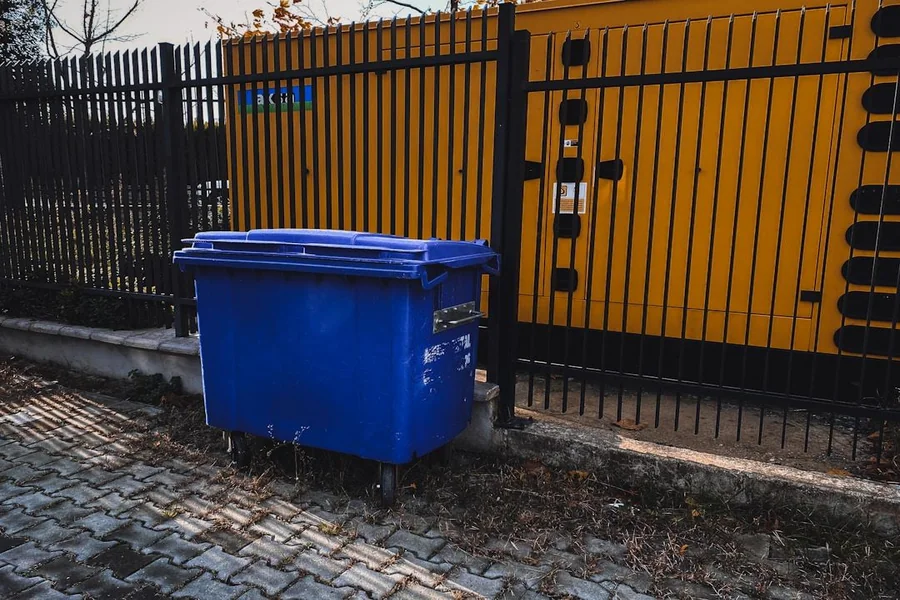
Maximizing the benefits of your dumpster rental requires strategic planning and execution. Proper waste segregation, timely scheduling, and environmental considerations can greatly enhance efficiency.
Segregating waste into recyclables, non-recyclables, and hazardous materials makes disposal more efficient and can potentially reduce costs. Scheduling your dumpster delivery and pick-up around your project timeline ensures you only pay for the dumpster when it is in use.
Consider the environmental impact of your waste material. Many rental services have programs for recycling and responsible waste management. By opting for services that prioritize sustainability, your project can contribute to ecological preservation while potentially availing tax benefits or certifications for green building practices.
Ultimately, the smooth execution of your project hinges on effective waste management facilitated by the right dumpster rental service. Understanding your project’s needs, navigating pricing, adhering to regulations, and applying best practices can lead to significant cost savings and a positive environmental impact. By taking these guidelines into account, you can select a service that caters to your project’s unique demands and contributes to a more sustainable construction practice.


