
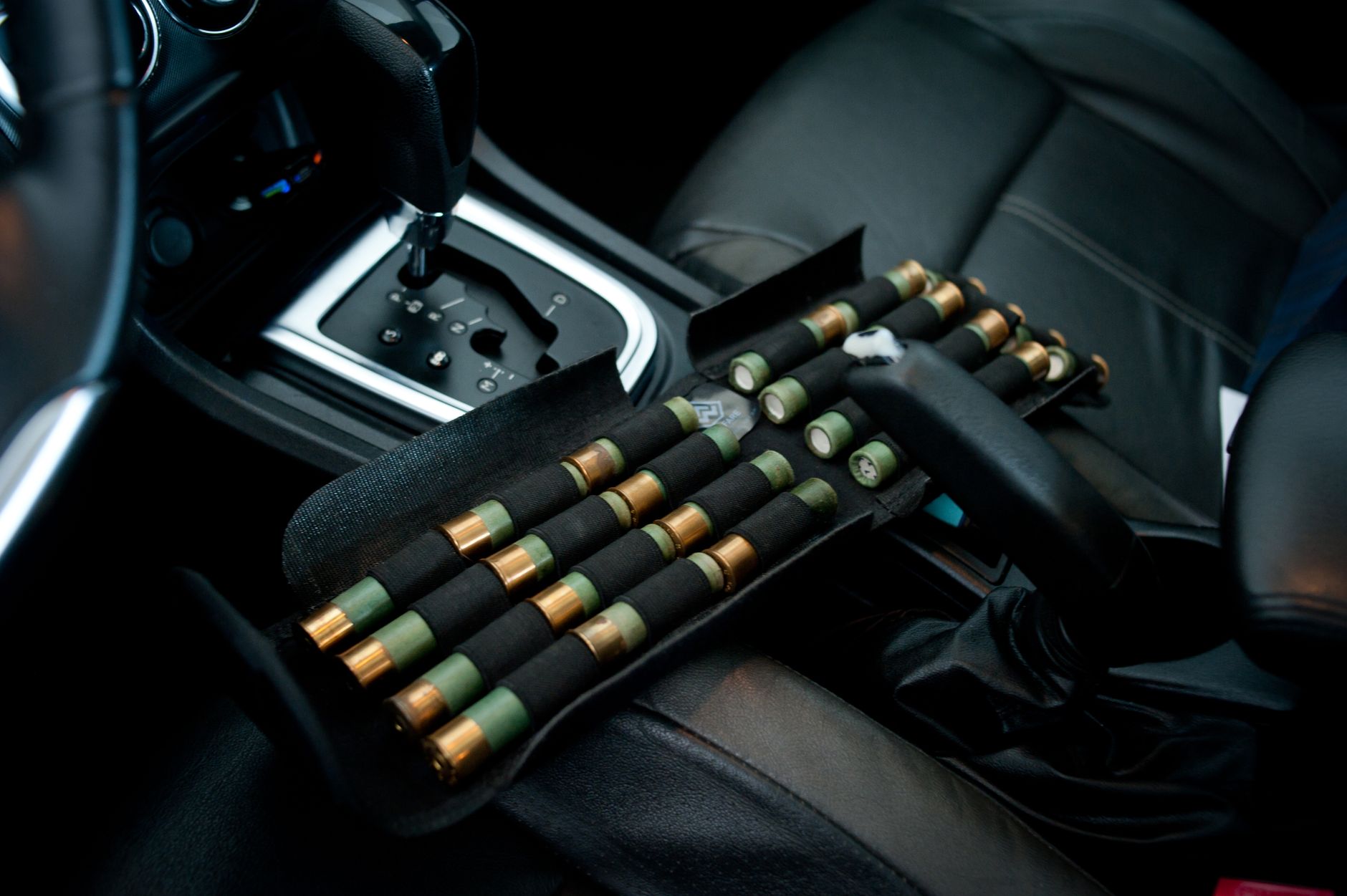
Washington, DC Charges for Transporting Firearms: What Can Defendants Expect?
Being charged with carrying a gun in Washington, DC may be a very overwhelming experience. The rules are tight. Small facts can turn a case. DC law has clear prohibitions about carrying guns in a car or on foot. Federal law may apply during interstate travel as well. It helps the defendant to make better choices by knowing what will happen next. If you are arrested for a gun crime, do not guess at your rights. Consult with a DC gun lawyer who handles gun cases.
Why Firearm Transport Can Result in Charges
D.C. law enables a person to carry a firearm only if certain requirements are met. The trip has to be for a legal reason. The person must also be allowed to own and carry the firearm at the two locations. Then the firearm must be transferred in accordance with DC law. The firearm must be unloaded for vehicle travel. Neither the rifle nor ammunition is easily accessible from the passenger compartment. There are also storage rules for a vehicle without a trunk. The nuances that matter. Someone might believe they had placed the gun safely, but the authorities would see it differently.
What Happens After an Arrest?
The initial step is usually arrest, citation or criminal charge. The precise process depends on the facts and the offense. The firearm may be seized by police and held as evidence. They may also record where the gun was found and how it was stored. Then the government needs to substantiate the charge. That makes the facts of the halt significant. Was it full? Where was that kept? Who had it? Registered? For what was it being moved? Those inquiries can form the defense. A defendant should not guess or make a long statement concerning the firearm. Whatever you say during a tense stop can be used against you later in court. Speaking with an attorney early allows the defense team to assess the circumstances.
DC Rules Can Be Tough
DC has different restrictions for owning and carrying guns. For example, DC law normally prohibits a person from carrying a firearm without a license from DC. The law prohibits carrying rifles and shotguns unless permitted. You could also be charged with illegal possession of a firearm. Certain persons are prohibited from owning firearms under DC law. The list covers those with qualifying felony convictions and people under specific court orders. That means a transport scenario can have more than just transport. You have to look at the whole picture as a lawyer.
What if you were driving through D.C.?
That’s a typical question. The Metropolitan Police Department in D.C. advises nonresidents who are traveling through the District with an unlicensed handgun to keep going without stopping or changing their path. The carrying of the firearm must also be done in accordance with the law. Federal law may also be a factor. 18 U.S.C. § 926A Some people may be allowed to move weapons between locations where they may lawfully possess and carry them. The gun must be unloaded and out of reach of the passenger compartment. That protection has boundaries. It does not legalize otherwise illegal firearms or trips. This is where legal advice might help. The source and destination, the weapon, the path, how it is stored, they all can be important.
What defenses are available?
Each gun case is one of a kind. A defense starts with facts, not assumptions. A lawyer might consider whether the gun was carried for a permissible purpose. They may also look to see whether the gun was unloaded and properly stowed. The defense also can examine the traffic stop itself. Did police have reasonable grounds to halt the vehicle? Did the police search the car? Did they have probable cause for the search? If evidence was obtained via an illegal search, the defense can dispute its use in court. Other difficulties may be gun ownership, gun registration, prior convictions, statements and witness statements. Sometimes the best defense is a feature that looks tiny at first glance.
What are the Penalties for a Defendant?
A penalty may be imposed depending on the charge. For instance, if you carry a weapon without the correct authorization from DC, you may face criminal charges. Certain offenses can lead to prison sentences of up to five years under D.C. law. Repeat or qualifying past felony cases can be punished more severely. Other gun crimes are punished differently. The stakes can go up dramatically when prosecutors allege that a firearm was possessed during a crime of violence or serious conduct. DC law has serious sanctions for that behavior. A defendant should know the precise charge before supposing what might happen.
Could the Case Be More Important Than Your Record?
Yes. A firearm transport case charge can influence employment, housing, travel and future weapons rights. The impact may linger even after a lawsuit has ended. The repercussions depend on the accusation and the result. They can also fall back on a person's track record. That’s why a short plea might not always be the best move. The defendant should be aware of the complete result before he makes that decision. A lawyer can clarify the charge, possible defenses and choices in the case.
What To Do After Being Charged With A Weapon?
First, take the charge seriously. Don’t talk about the details of the case to friends, post about the case online or try to explain everything to the police without legal representation. Keep the court papers and release documents together. And get yourself a criminal defense lawyer. If you are the subject of a firearm inquiry or charge, a DC Gun Lawyer can analyze the evidence and explain your legal alternatives. David Benowitz is a criminal defense attorney in Washington, DC with Capital Criminal & DUI Defense Group. His firm handles criminal defense representation and firearm-related issues. Mr. Benowitz is AV rated by Martindale-Hubbell and is a member of the National College for DUI Defense. He is located in Washington, DC.
Strong Defense Starts with the Details
A charge of transporting a firearm isn’t always as straightforward as “the gun was in the car.” The defense needs to see the whole picture. That covers the stop, search, storage technique, firearm status, travel route and remarks. DC gun restrictions are fairly stringent. If the travel crosses state boundaries, federal regulations can add another layer. If you’ve been charged, don’t wait until the case is further underway to receive help. A little advice from a lawyer early on can help you get a better sense of what is coming next.
Most Common Questions
1. Can I get arrested for bringing an unloaded gun in DC?
Yes. A gun that is not loaded is not inherently legal to carry. The DC law demands lawful purpose, lawful possession at the start and end sites, and proper storage throughout travel.
2. If police uncover a gun at a traffic stop, what happens?
Police can take the firearm and investigate any law breaking. The defense might explore the purpose for the stop, the search, the gun’s status and other evidence.
3. Can federal law save someone traveling through Washington, D.C.?
Certain interstate firearm travel may be protected by federal law under 18 U.S.C. § 926A. The gun has to be unloaded and properly stored and the individual must be the legal owner at either end of the trip.
4. Will a Gun Transport Charge Affect Me Later?
It can do. A felony conviction can impact your career, housing, weapon rights and other elements of your life. The precise impact will be determined by the charge and the result of the case.
5. Do I need to keep a DC gun lawyer after an arrest?
It's essential to think about speaking with a weapon defense attorney as soon as you can. A lawyer can analyze the stop, search, transport method, firearm status, and charges before you make big judgments.