
The Willow Ptarmigan: A Hardy Bird of the Arctic
The Willow Ptarmigan (Lagopus lagopus) is a fascinating bird species that thrives in some of the harshest environments on Earth. Known for its remarkable adaptations to cold climates, this bird is not only a symbol of survival in the Arctic but also an integral part of the ecosystems it inhabits. From its distinctive plumage changes to its ecological importance, the willow ptarmigan is a bird worth exploring.
Physical Description
The willow ptarmigan is a medium-sized bird, measuring about 35–40 cm (14–16 inches) in length, with a wingspan of approximately 60 cm (24 inches). It typically weighs around 400–700 grams (0.9–1.5 pounds).
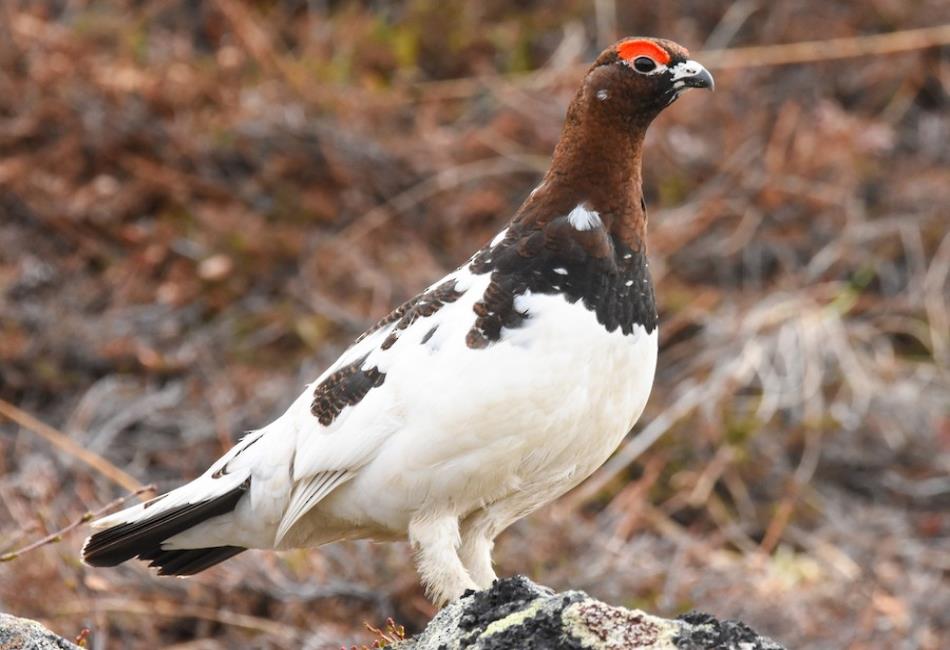
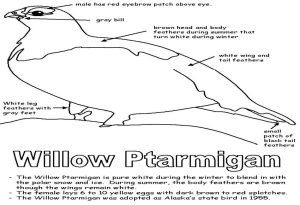
One of the most striking features of the willow ptarmigan is its seasonal plumage:
- Winter: Pure white feathers provide excellent camouflage in snow-covered landscapes, protecting it from predators.
- Summer: The plumage transitions to a mottled brown and black pattern, blending seamlessly with the tundra vegetation. This ability to change colors ensures the bird remains well-camouflaged throughout the year.
The bird’s thick feathers, including those on its legs and feet, help it retain heat and move easily through snow. Its robust, curved beak is adapted for foraging on tough vegetation, while its feet act as natural snowshoes, preventing it from sinking into the snow.
Habitat and Distribution
The willow ptarmigan is found across the Arctic and sub-Arctic regions of North America, Europe, and Asia. It prefers open habitats such as tundra, moorlands, and boreal forests. In these regions, the bird is well-adapted to survive extreme cold and limited food availability.
Seasonal Movements
Unlike many other bird species, willow ptarmigans are not long-distance migrators. However, they may move short distances during winter to lower elevations or areas with better access to food. These movements are often dictated by snow depth and food availability.
Diet and Foraging Behavior
The willow ptarmigan is primarily a herbivore, with a diet that varies seasonally:
- Winter: The bird relies heavily on twigs, buds, and bark from willow, birch, and alder trees. This diet is supplemented with any available mosses and lichens.
- Summer: During the warmer months, the bird feeds on leaves, flowers, berries, and seeds. It also consumes insects and other invertebrates, which are particularly important for chicks’ growth.
The bird’s digestive system is highly specialized, allowing it to extract nutrients from fibrous plant material that many other species cannot digest.
Behavior and Social Structure
Willow ptarmigans are social birds, often seen in small flocks outside the breeding season. Their behavior is influenced by their environment and predators, leading to several unique traits.
Vocalizations
The species is known for its wide range of vocalizations, which include clucks, growls, and cackles. These sounds are used for communication, courtship, and to warn others of potential threats.
Defense Strategies
Willow ptarmigans are ground-nesting birds, making them vulnerable to predators such as foxes, owls, and hawks. To protect themselves and their nests, they rely on:
- Camouflage: Blending into their surroundings to evade detection.
- Feigned Injury Displays: Adults may pretend to be injured, luring predators away from their nests.
- Aggression: Males are known to be highly territorial and will fiercely defend their nesting sites during the breeding season.
Breeding and Reproduction
The breeding season for willow ptarmigans typically begins in late spring, as the snow starts to melt. Males establish territories and attract females through vocalizations and displays. The species is monogamous, and pairs often form strong bonds that may last for multiple seasons.
Nesting
Females build shallow nests on the ground, often in well-hidden locations among vegetation. The nests are lined with grasses, feathers, and other soft materials for insulation.
Eggs and Chicks
A female usually lays 6–10 eggs, which she incubates for about three weeks. The chicks are precocial, meaning they are born with downy feathers and are capable of walking and feeding themselves shortly after hatching. However, they remain under the care of their parents for several weeks.
Ecological Importance
The willow ptarmigan plays a vital role in Arctic and sub-Arctic ecosystems:
- Food Source: It is a key prey species for a variety of predators, including arctic foxes, snowy owls, and gyrfalcons.
- Seed Dispersal: By feeding on plants and berries, the bird aids in seed dispersal, promoting vegetation growth.
- Indicator Species: The health of willow ptarmigan populations can indicate the overall health of their ecosystems, as they are sensitive to changes in climate and habitat.
Cultural Significance
The willow ptarmigan holds cultural importance for many Indigenous communities in the Arctic. It is a traditional food source and features prominently in folklore and art. In addition, the bird has been recognized as a symbol of resilience and adaptation, admired for its ability to thrive in extreme environments.
Threats and Conservation
While the willow ptarmigan is currently listed as a species of Least Concern by the International Union for Conservation of Nature (IUCN), it faces several challenges:
- Climate Change: Rising temperatures are altering tundra habitats, potentially reducing suitable nesting and foraging areas.
- Predation: Changes in predator populations, driven by shifts in the ecosystem, can affect ptarmigan survival rates.
- Human Activities: Hunting and habitat disruption, such as mining and oil exploration, can pose localized threats.
Conservation efforts for the willow ptarmigan include habitat protection, sustainable hunting regulations, and ongoing research to monitor population trends.
Conclusion
The willow ptarmigan is a remarkable bird, perfectly adapted to the harsh conditions of the Arctic. Its seasonal camouflage, hardy diet, and role in the ecosystem highlight its significance both ecologically and culturally. As climate change and human activities continue to impact its habitat, the resilience of this bird serves as a reminder of the delicate balance within Arctic ecosystems. Protecting the willow ptarmigan and its environment is crucial for preserving the biodiversity of these unique regions for generations to come.


